




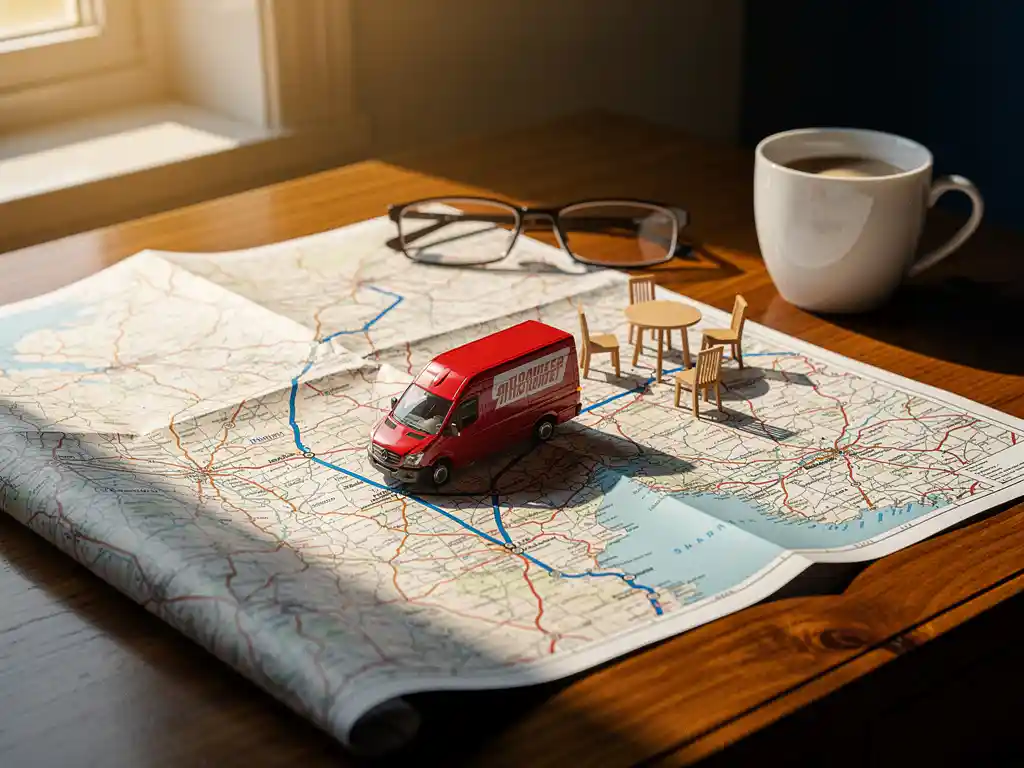
European furniture transport presents unique logistical challenges that require specialized expertise and strategic route optimization. From navigating complex cross-border regulations to managing delicate cargo across vast distances, successful furniture logistics demands careful planning and advanced technology solutions. Understanding how to optimize furniture transport routes in Europe can significantly affect delivery times, costs, and customer satisfaction.
The furniture industry’s growth across European markets has intensified the need for efficient transport solutions that can handle everything from single-item deliveries to large-scale project installations. With the right approach to route planning and logistics management, companies can streamline their operations while maintaining the highest standards of cargo protection and delivery reliability.
What are the biggest challenges in European furniture transport route planning?
The primary challenges in European furniture transport route planning include navigating diverse traffic regulations across multiple countries, managing time-sensitive deliveries with varying customs procedures, and coordinating complex multi-stop routes while protecting fragile cargo. Cross-border documentation requirements and differing driving-hour restrictions add further complexity to route optimization efforts.
Traffic congestion in major European cities creates significant timing uncertainties, particularly when delivering to urban furniture stores or residential locations. Each country has different weight limits, vehicle-dimension restrictions, and environmental zones that can dramatically affect route feasibility. Driver rest-period regulations vary between nations, requiring careful scheduling to ensure compliance while meeting delivery commitments.
Seasonal variations also present substantial challenges, as winter weather conditions can close mountain passes or create dangerous driving conditions for large furniture transport vehicles. Holiday periods and local festivals can restrict delivery access to certain areas, requiring flexible routing strategies and alternative delivery windows.
How do you plan efficient multi-country furniture delivery routes?
Efficient multi-country furniture delivery routes require strategic consolidation of shipments, careful sequencing of stops based on customs requirements and delivery priorities, and real-time monitoring systems that can adapt to changing conditions. The key is balancing maximum vehicle utilization with minimal transit times while ensuring cargo security throughout the journey.
Start by analyzing delivery locations geographically and grouping shipments that follow logical geographic patterns. Consider customs clearance times when sequencing stops, as some border crossings process furniture shipments faster than others. Prioritize time-sensitive deliveries and work backward from critical delivery dates to establish departure schedules.
Vehicle capacity optimization plays a crucial role in route efficiency. Furniture logistics specialists often use specialized loading techniques and equipment to maximize space utilization while protecting delicate items. Plan for adequate loading and unloading time at each stop, taking into account the complexity of furniture handling and any assembly requirements.
What technology tools help optimize furniture transport routes?
Advanced route optimization software, GPS tracking systems, and integrated transportation management systems are essential tools for optimizing furniture transport routes. These technologies provide real-time traffic data, automated route calculations, and dynamic rerouting capabilities that respond to changing conditions throughout the delivery process.
Transportation Management Systems (TMS) offer comprehensive route-planning capabilities that factor in vehicle specifications, driver availability, delivery time windows, and cargo requirements. These systems can automatically calculate the most efficient routes while considering factors such as fuel costs, toll charges, and environmental restrictions in different European zones.
Mobile applications enable drivers to receive updated route information, report delivery status, and communicate directly with dispatch teams. Digital proof-of-delivery systems streamline the documentation process, while telematics provide valuable data on vehicle performance, driver behavior, and route efficiency that can inform future planning decisions.
How can you reduce costs in European furniture transportation?
Cost reduction in European furniture transportation comes through strategic route consolidation, optimized vehicle utilization, fuel-efficient routing, and leveraging backhaul opportunities. Combining multiple shipments into single routes and using return trips for additional cargo can significantly reduce per-unit transportation costs.
Fuel costs represent a major expense component that can be minimized through efficient route planning that avoids congested areas and selects optimal travel times. Consider using intermodal transport options for long-distance routes, combining road transport with rail or water transport where practical and cost-effective.
Warehouse location strategy also significantly affects transportation costs. Strategically positioned distribution centers can reduce average delivery distances and enable more efficient regional route planning. Negotiating favorable rates with border-crossing services and customs brokers can also reduce administrative costs associated with cross-border furniture transport.
What are the key regulations affecting furniture transport across Europe?
Key regulations affecting European furniture transport include EU driving-time directives, vehicle weight and dimension limits, environmental zone restrictions, and customs documentation requirements for cross-border shipments. ADR regulations may apply when transporting furniture treated with certain chemicals, and specific packaging standards help ensure cargo protection during transit.
Driver working-time regulations mandate specific rest periods and maximum driving hours that directly affect route planning and delivery schedules. Each country has different vehicle-dimension limits, particularly for height and length, which can restrict route options for large furniture shipments.
Environmental regulations in many European cities require low-emission vehicles or restrict access during certain hours. Brexit has added further complexity for UK-EU furniture transport, requiring new customs procedures and documentation that can affect delivery timelines and costs.
How Jan Krediet helps with furniture transport route optimization
We specialize in optimizing furniture transport routes across Europe through our extensive experience and advanced logistics capabilities. As part of the MACH-3000 network, we provide comprehensive route planning that leverages our deep understanding of European regulations and market conditions.
Our approach to furniture transport optimization includes:
- Advanced route planning technology that considers real-time traffic and regulatory requirements
- Specialized loading equipment and techniques that maximize vehicle efficiency
- Experienced drivers familiar with European cross-border procedures
- Flexible scheduling that accommodates complex delivery requirements
- Complete supply chain visibility through integrated tracking systems
With over 200 logistics professionals and 250 vehicles, we handle everything from single furniture deliveries to complex project installations across multiple countries. Our expertise in furniture assembly, warehousing, and customs procedures ensures smooth, efficient transport solutions tailored to your specific requirements. Contact us to discover how we can optimize your European furniture transport routes and reduce your logistics costs.