




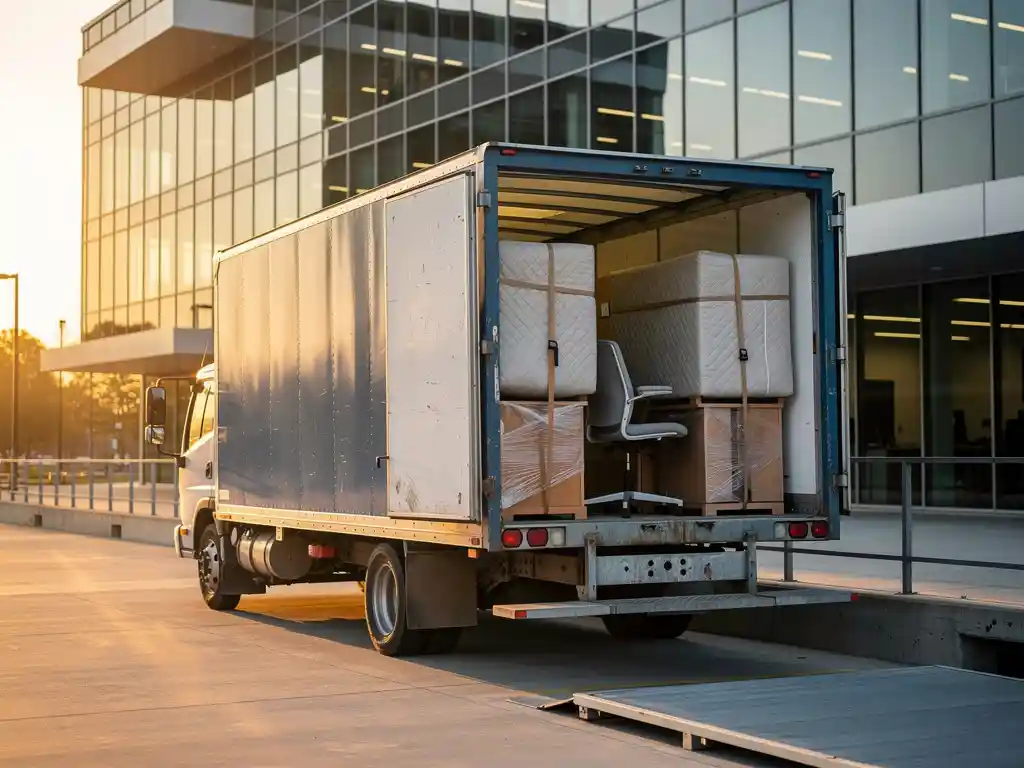
Moving furniture to commercial spaces involves unique challenges that differ significantly from residential relocations. Commercial furniture transport requires specialized expertise, precise planning, and an understanding of business operational needs. Whether you’re setting up a new office, expanding to additional floors, or relocating an entire corporate headquarters, the logistics become more complex in commercial environments.
From coordinating with building management to ensuring minimal disruption to business operations, commercial furniture delivery demands a strategic approach. Understanding these complexities upfront can save businesses time, money, and potential operational headaches during their furniture transportation projects.
What makes commercial furniture transport different from residential?
Commercial furniture transport involves larger volumes, stricter delivery windows, and specialized handling requirements that residential moves typically don’t encounter. Unlike residential deliveries, which can be flexible with timing, commercial projects must align with business schedules and building access restrictions and often require coordination with multiple stakeholders, including facility managers, IT departments, and building security.
The scale of commercial moves presents unique logistical challenges. Office furniture logistics often involve transporting hundreds of workstations, conference tables, and specialized equipment simultaneously. Commercial spaces frequently have loading dock requirements, freight elevator scheduling, and specific delivery protocols that residential locations don’t require. Additionally, commercial furniture is often modular and requires professional assembly, disassembly, and reconfiguration services.
Insurance and liability considerations also differ significantly. Commercial moves typically involve higher-value items and stricter compliance requirements. Business furniture delivery must account for potential operational disruptions, making timing and execution critical factors that residential moves can approach more casually.
How much does commercial furniture transportation cost?
Commercial furniture transportation costs typically range from 15% to 30% higher than residential moves due to specialized requirements, stricter scheduling, and additional services such as assembly and installation. The final price depends on factors including volume, distance, access complexity, timeline requirements, and the value-added services needed.
Several key factors influence commercial moving costs. Volume and weight are the primary cost drivers, as commercial projects often involve transporting entire office floors or multiple departments simultaneously. Distance affects pricing, with local commercial moves generally costing less per item than long-distance relocations. Access complexity, such as high-rise buildings requiring freight elevators or limited loading dock availability, can increase costs by 20% to 40%.
Timeline requirements significantly impact pricing. Rush deliveries or moves requiring weekend or after-hours scheduling command premium rates. Additional services such as furniture assembly, IT equipment handling, and temporary storage add to base transportation costs. Most commercial logistics providers offer comprehensive quotes that include these services, making it easier to budget for total project costs rather than facing unexpected charges.
What should you plan before moving furniture to commercial spaces?
Successful commercial furniture moves require detailed planning that begins 6 to 8 weeks before the scheduled delivery date. Start by conducting a comprehensive inventory assessment, coordinating with building management on access requirements, and establishing clear timelines that minimize business disruption while meeting operational deadlines.
Begin with space planning and measurement verification. Ensure the new furniture dimensions fit doorways, elevators, and final placement locations. Create detailed floor plans showing furniture placement to streamline the delivery process. Coordinate with building management early to secure loading dock reservations, freight elevator access, and any required permits or insurance documentation.
Establish a communication plan involving all stakeholders. Designate point people from your organization, the furniture transportation service, and building management. Schedule pre-delivery site visits to identify potential obstacles and confirm logistical details. Plan employee communications about workspace disruptions and temporary arrangements during the transition period.
Consider operational continuity requirements. Determine which furniture pieces are critical for immediate business operations and prioritize their delivery and setup. Plan temporary workspace solutions if the move spans multiple days. Coordinate with IT departments on technology integration with new furniture systems.
How do you choose the right furniture transportation service?
Choose a commercial furniture transportation service based on its experience with business relocations, specialized equipment capabilities, insurance coverage, and ability to provide comprehensive project management from planning through final installation.
Evaluate potential providers based on their commercial experience and track record. Look for companies that specialize in furniture logistics and understand the unique requirements of business environments. Review their equipment capabilities, including specialized vehicles, loading equipment, and assembly tools needed for commercial furniture handling.
Assess the comprehensiveness of their services. The best commercial furniture transportation services offer end-to-end solutions, including disassembly, packing, transport, unpacking, assembly, and installation. This integrated approach reduces coordination complexity and ensures accountability throughout the project.
Verify insurance coverage and licensing appropriate for commercial work. Commercial moves require higher liability coverage and specific certifications. Request references from similar commercial projects and confirm the provider’s ability to meet your timeline requirements. Consider its project management capabilities and communication systems for keeping stakeholders informed throughout the process.
What can go wrong during commercial furniture transport?
Common issues during commercial furniture transport include scheduling conflicts related to building access, damage to furniture or property, assembly complications, and coordination breakdowns among multiple parties. These problems can result in business disruption, additional costs, and delayed occupancy of new spaces.
Access and timing issues are the most frequent complications. Building management restrictions, elevator availability conflicts, or loading dock scheduling problems can delay entire projects. Weather conditions, traffic delays, or vehicle breakdowns can disrupt carefully planned delivery schedules, which is especially problematic when businesses need to maintain operations.
Furniture damage during transport or assembly can create significant setbacks. Commercial furniture often involves complex modular systems that require specialized knowledge for proper handling and assembly. Inadequate packaging, improper loading techniques, or inexperienced assembly teams can result in costly damage and replacement delays.
Communication breakdowns among stakeholders frequently cause problems. When building management, transportation teams, and business representatives aren’t properly coordinated, conflicts arise over access, timing, and responsibilities. Poor project management can lead to incomplete deliveries, missing components, or furniture placed in the wrong locations, requiring costly corrections and additional labor.
How Jan Krediet Helps with Commercial Furniture Transport
We provide comprehensive commercial furniture transportation solutions that address every aspect of business relocations and office setup projects. Our specialized approach combines decades of furniture logistics expertise with advanced planning capabilities to ensure seamless commercial moves.
Our commercial furniture delivery services include:
- Complete project management from initial planning through final installation
- Specialized vehicles and equipment designed for commercial furniture handling
- Professional assembly and disassembly services by trained technicians
- Flexible scheduling to minimize business operational disruption
- Comprehensive insurance coverage for high-value commercial projects
- Coordination with building management and facility requirements
As part of the global MACH-3000 network, we deliver furniture logistics solutions to over 150 locations worldwide, ensuring consistent service quality whether your project is local or international. Our innovative loading systems and experienced team of more than 200 logistics professionals guarantee efficient, reliable commercial furniture transportation.
Ready to plan your commercial furniture move? Contact us today to discuss your specific requirements and receive a comprehensive project proposal tailored to your business needs.