




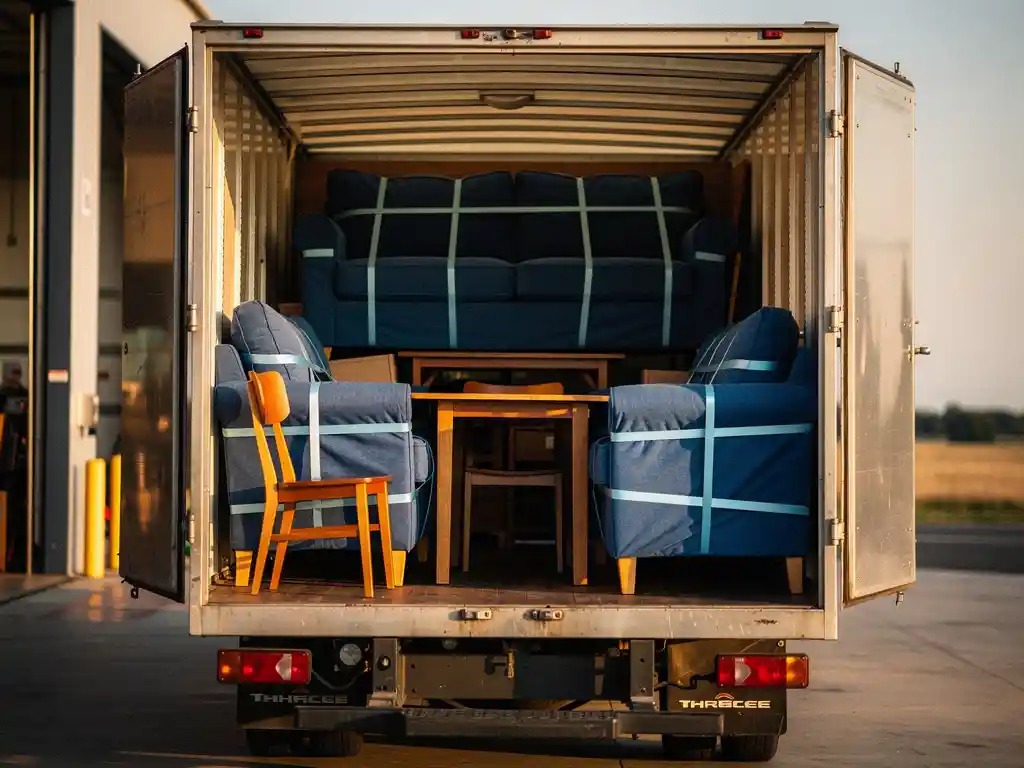
Optimizing loading capacity in furniture transport is crucial for reducing costs, improving efficiency, and ensuring the safe delivery of delicate items. Because furniture pieces often have irregular shapes and varying sizes, maximizing cargo space requires strategic planning and specialized techniques that go beyond standard freight-loading methods.
Effective loading-capacity optimization can reduce transport costs by up to 30% while minimizing the risk of damage during transit. Understanding the key factors and implementing proven strategies help logistics professionals achieve better space utilization and operational efficiency.
What factors affect loading capacity in furniture transport?
Loading capacity in furniture transport is primarily affected by item dimensions, weight distribution, packaging requirements, and vehicle constraints. Unlike standard cargo, furniture pieces have irregular shapes, which makes achieving optimal space utilization more challenging.
The most significant factors include the dimensional weight of furniture items, which often exceeds their actual weight due to bulky shapes. Sofas, dining tables, and wardrobes require careful positioning to prevent wasted space. Weight distribution becomes critical, as furniture weight must be evenly spread across the vehicle floor to maintain stability and comply with axle-weight regulations.
Packaging requirements also affect capacity, since furniture often needs protective wrapping, corner guards, and separation materials that add bulk. Vehicle specifications such as door dimensions, internal height, and load-floor length determine which items can physically fit and how they can be arranged. Access to loading equipment affects efficiency, as some furniture requires special handling equipment that takes up additional space during transport.
How do you calculate optimal loading capacity for furniture shipments?
Optimal loading capacity for furniture shipments is calculated by comparing the cubic volume of items with the available cargo space, while factoring in weight limits and dimensional constraints. The calculation involves measuring each piece’s length, width, and height, then determining the most efficient arrangement pattern.
Start by calculating the total cubic volume of all furniture pieces, including packaging materials. Compare this with the vehicle’s usable cargo volume, accounting for space needed for loading equipment and safety clearances. Weight calculations must consider both gross vehicle weight limits and axle-weight distribution requirements.
Advanced calculations include load-factor analysis, which compares actual space utilization with the theoretical maximum capacity. Professional logistics teams use specialized software that creates 3D loading plans, optimizing both volume and weight distribution. These tools can improve capacity utilization by 15–25% compared with manual planning methods.
What loading techniques maximize space utilization in furniture transport?
Effective space-maximization techniques include strategic item positioning, disassembly when possible, and efficient use of vertical space. The key is treating the cargo area as a three-dimensional puzzle, where each piece must fit precisely without compromising safety or causing damage.
Disassembly is one of the most effective techniques for maximizing space. Tables, bed frames, and modular furniture can often be partially disassembled to reduce volume by 40–60%. Heavy items should be loaded first and positioned over the vehicle’s axles to maintain proper weight distribution.
Vertical stacking requires careful planning, with lighter items placed on top and adequate securing points throughout the load. Nesting similarly shaped items together, such as chairs or small tables, can significantly improve space efficiency. Professional furniture logistics operations often use custom loading sequences that have been tested and refined for specific furniture types.
Fill empty spaces with smaller items such as cushions, accessories, or packaging materials. Use adjustable loading equipment that can be repositioned to accommodate different furniture configurations while maintaining secure positioning throughout transport.
How does proper load planning reduce transport costs?
Proper load planning reduces transport costs by maximizing vehicle utilization, minimizing the number of trips required, and reducing fuel consumption per delivered item. Efficient planning can decrease overall transport costs by 20–35% compared with ad hoc loading approaches.
Consolidating shipments through effective planning allows multiple deliveries to be completed in single trips, reducing fuel costs and driver time. Better space utilization means fewer vehicles are needed for the same amount of furniture, directly reducing fleet costs and environmental impact.
Load planning also reduces damage-related costs by ensuring proper weight distribution and secure positioning. Damage claims can represent 2–5% of transport costs in furniture logistics, making proper planning a significant cost-saving factor. Additionally, efficient loading reduces loading and unloading time, improving driver productivity and reducing labor costs.
Route optimization becomes more effective when load planning is properly executed, as vehicles can handle more stops without exceeding weight or space limitations. This improved efficiency translates directly into reduced operational costs and improved customer service levels.
What tools and equipment improve loading capacity efficiency?
Specialized loading equipment, including adjustable ramps, furniture dollies, and custom securing systems, can significantly improve loading-capacity efficiency. Modern logistics operations use a combination of mechanical aids and digital planning tools to optimize the loading process.
Adjustable loading ramps and lift gates enable efficient loading of heavy furniture without requiring excessive manual labor. Furniture-specific dollies and moving equipment allow for precise positioning within the cargo area. Adjustable securing systems with multiple anchor points ensure items remain stable while maximizing usable space.
Digital tools include load-planning software that creates optimized loading sequences and weight-distribution plans. Mobile apps help drivers follow predetermined loading patterns and verify weight distribution in real time. Some advanced systems use sensors to monitor load stability and weight distribution during transport.
Modular packaging systems designed specifically for furniture transport can reduce volume requirements while providing superior protection. These systems often include reusable components that improve both efficiency and environmental sustainability.
How Jan Krediet helps with loading capacity optimization
We specialize in maximizing loading-capacity efficiency through our innovative wissellaadbakken (swap body) system and extensive experience in furniture logistics. Our approach combines advanced planning techniques with specialized equipment to achieve optimal space utilization for every shipment.
Our comprehensive loading-capacity optimization services include:
- Custom loading plans created by experienced logistics professionals
- Specialized furniture handling equipment and securing systems
- Disassembly and reassembly services to maximize space efficiency
- Advanced route planning that considers loading-capacity constraints
- Real-time tracking and monitoring of load distribution
With over 250 vehicles and 60,000 square meters of warehouse space, we have the infrastructure and expertise to handle complex loading challenges. Our membership in the MACH-3000 network ensures we can apply proven loading-optimization techniques across international furniture transport operations.
Ready to optimize your furniture transport loading capacity? Contact us to discuss how our specialized approach can reduce your transport costs and improve delivery efficiency.