




Preparing furniture for commercial transport requires meticulous planning and specialized techniques to ensure safe delivery. Unlike residential moves, commercial furniture transport involves larger volumes, stricter timelines, and often more valuable or delicate pieces that demand professional handling expertise.
Whether you’re relocating an entire office, shipping furniture to multiple retail locations, or managing a large-scale installation project, proper preparation is the foundation of successful commercial furniture transport. The right approach protects your investment while minimizing delays and damage claims.
What preparation steps are essential before commercial furniture transport?
Essential preparation steps include conducting a detailed inventory assessment, creating a transportation plan with specific handling requirements, and coordinating pickup and delivery schedules with all stakeholders. These foundational steps ensure smooth logistics execution and minimize potential complications during transport.
Begin with a comprehensive furniture audit that documents each piece’s dimensions, weight, condition, and special handling needs. This inventory becomes your reference point for packaging decisions and helps transport professionals understand the scope of work required. Include photographs of valuable or antique pieces to document their pre-transport condition.
Develop a detailed floor plan for both pickup and destination locations. Mark narrow doorways, stairs, elevators, and other potential obstacles that could affect furniture movement. Share these plans with your transport team well in advance so they can bring appropriate equipment and plan the most efficient routes through each building.
Coordinate timing carefully with building management, especially in commercial properties where freight elevator access may be restricted to specific hours. Confirm loading dock availability and any special requirements, such as protective floor coverings or security protocols, that must be followed during the move.
How do you properly package furniture for commercial shipping?
Proper furniture packaging involves disassembling pieces when possible, wrapping components in protective materials like moving blankets and plastic wrap, and securing items in custom crates or containers based on their fragility and value. Each piece requires packaging tailored to its specific materials and construction.
Start by disassembling furniture wherever manufacturer guidelines allow. Remove legs from tables, separate desk components, and take apart modular seating systems. This approach reduces the risk of damage during transport and often makes pieces easier to maneuver through tight spaces. Keep all hardware in clearly labeled bags attached to the corresponding furniture piece.
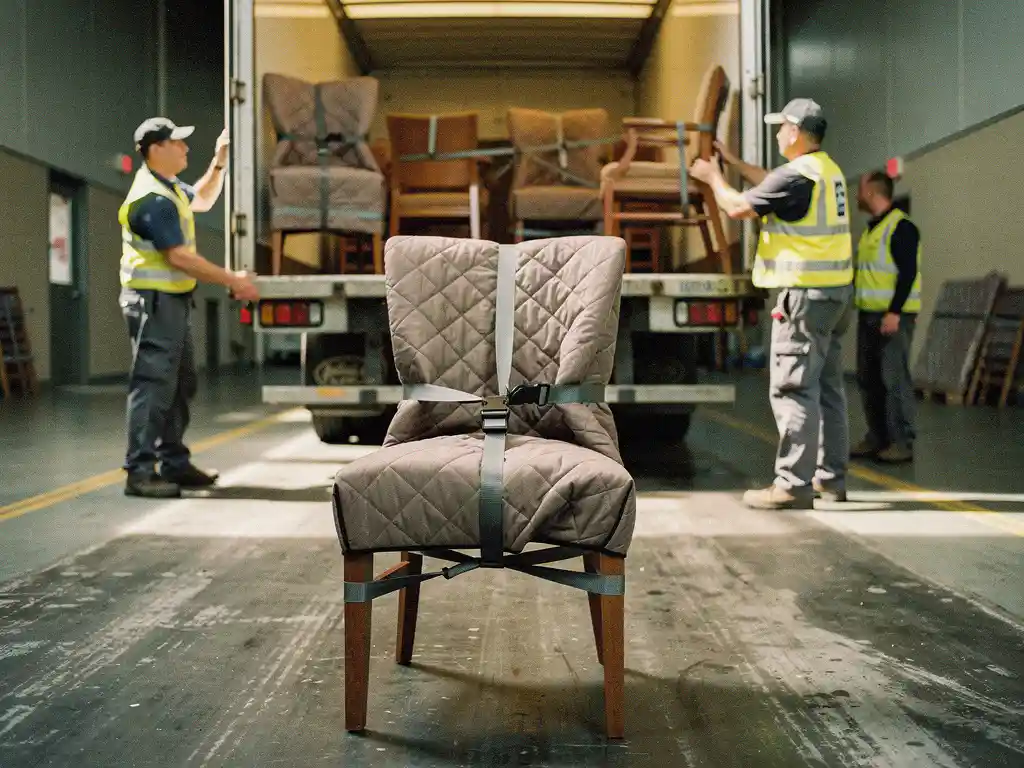
Use professional-grade materials for wrapping and protection. Moving blankets provide excellent cushioning for hard surfaces, while plastic wrap secures the blankets in place and protects against moisture. For upholstered items, use specialized furniture covers that allow the fabric to breathe while providing protection from dirt and minor impacts.
Consider custom crating for high-value or extremely fragile pieces. Wooden crates with foam inserts provide maximum protection for antiques, artwork, or delicate glass components. While this increases packaging costs, it significantly reduces the risk of damage claims that could far exceed the crating investment.
What’s the difference between residential and commercial furniture transport preparation?
Commercial furniture transport preparation differs from residential moves in terms of larger-scale logistics, stricter scheduling requirements, specialized equipment needs, and more complex coordination with multiple stakeholders, including building management and installation teams.
Scale represents the most obvious difference. Commercial moves often involve hundreds of pieces requiring systematic organization and tracking. This demands detailed inventory management systems, barcode labeling, and precise delivery scheduling to ensure the right items reach the correct floors and departments within large facilities.
Commercial projects typically operate under tighter deadlines with less flexibility for delays. Office relocations must often occur over weekends to minimize business disruption, while retail installations may need to be completed before grand opening dates. This time pressure requires more detailed advance planning and backup contingencies.
Equipment requirements also differ significantly. Commercial furniture transport frequently involves specialized tools like piano dollies for heavy conference tables, protective floor runners for pristine lobbies, and hydraulic lift gates for efficient loading. The transport team must also coordinate with building systems like freight elevators and security protocols that rarely factor into residential moves.
How do you protect delicate furniture during commercial transport?
Protecting delicate furniture requires custom packaging solutions, climate-controlled transport vehicles, specialized handling techniques, and trained personnel experienced with fragile items. Each delicate piece demands an individual assessment and tailored protection strategies.
Climate control becomes crucial for wooden antiques, leather upholstery, and electronic components integrated into modern office furniture. Temperature and humidity fluctuations during transport can cause wood to crack, leather to dry out, or electronic systems to malfunction. Ensure your transport provider offers climate-controlled vehicles for sensitive items.
Implement shock-absorption techniques throughout the packaging and loading process. Use foam padding, air cushions, or spring-loaded crating systems for extremely fragile pieces. Position delicate items away from truck walls, where road vibration is most intense, and secure them with soft tie-downs that won’t create pressure points.
Train your handling team to recognize and properly manage different furniture materials. Marble surfaces require different lifting techniques than glass tops, while antique finishes may be damaged by standard cleaning products used on modern pieces. Establish clear protocols for handling each category of delicate furniture in your inventory.
What documentation is required for commercial furniture transport?
Required documentation includes detailed inventory lists with item conditions, pickup and delivery receipts, insurance certificates, and any special handling instructions or building access requirements. Proper documentation protects both parties and ensures accountability throughout the transport process.
Create comprehensive inventory documentation that includes item descriptions, serial numbers where applicable, condition notes, and photographs. This paperwork becomes essential for insurance claims and helps receiving parties verify they’ve received the correct items in expected condition. Use digital systems when possible to ensure copies are available to all stakeholders.
Maintain detailed chain-of-custody records showing who handled each piece at every stage of the transport process. This documentation proves invaluable when investigating any damage claims and helps identify process improvements for future moves. Include timestamps and signatures from authorized personnel at each handoff point.
Ensure all insurance documentation is current and covers the full replacement value of transported items. Commercial furniture often represents significant investments, and standard transport insurance may not adequately cover high-value pieces. Review policy limits and consider additional coverage for particularly valuable items.
How Jan Krediet helps with furniture transport
We specialize in comprehensive furniture logistics solutions that handle every aspect of commercial furniture transport preparation and execution. Our experienced team understands the unique challenges of commercial moves and provides end-to-end support from initial planning through final installation.
Our services include:
- Detailed pre-transport assessments and custom packaging solutions
- Climate-controlled vehicles and specialized handling equipment
- Professional assembly and disassembly services
- Comprehensive insurance coverage and documentation management
- Worldwide logistics coordination through our MACH-3000 network
With over 200 logistics professionals and 60,000 square meters of warehouse space, we have the resources and expertise to handle furniture transport projects of any scale. From single office relocations to multi-site retail installations, our team ensures your valuable furniture arrives safely and on schedule. Contact us today to discuss your commercial furniture transport needs and discover how our comprehensive logistics solutions can streamline your next project.