




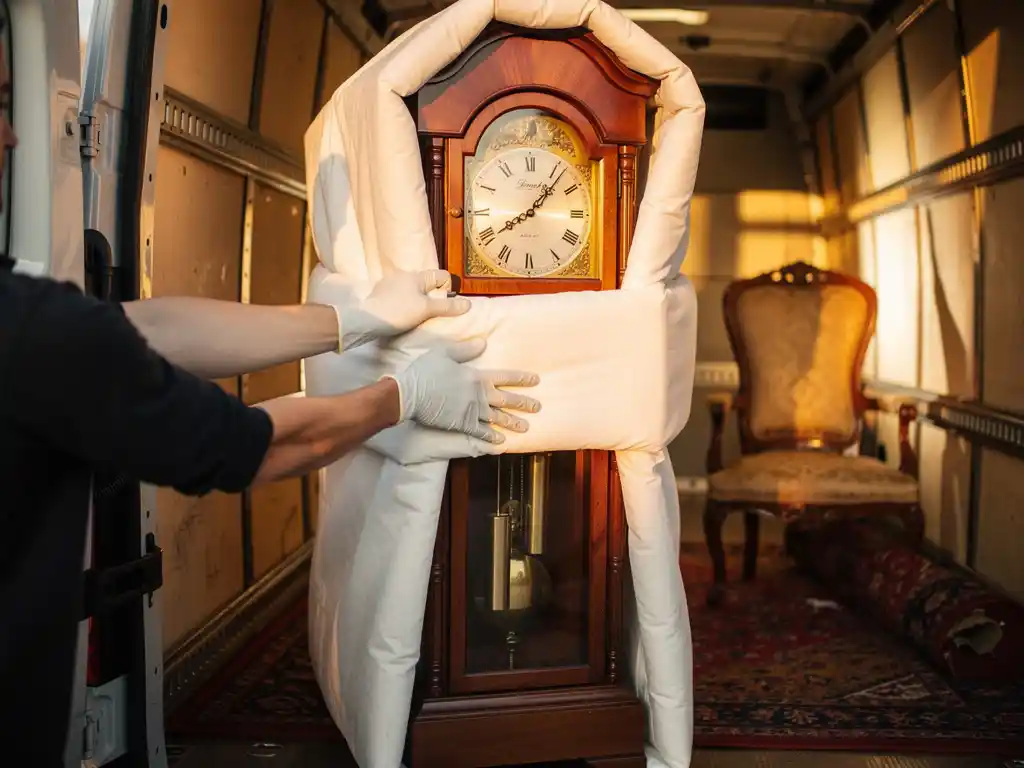
Transporting antiques requires far more precision and expertise than standard shipping methods. These irreplaceable items demand specialized handling, custom packaging, and climate-controlled environments to preserve their historical value and structural integrity. Whether you’re moving a family heirloom, valuable artwork, or museum-quality pieces, understanding the unique requirements of antique transport ensures your treasures arrive safely at their destination.
The complexity of antique shipping extends beyond careful handling to encompass insurance considerations, environmental controls, and the selection of qualified transport specialists. Each piece presents its own challenges, from fragile porcelain figurines to massive Victorian furniture, requiring tailored logistics solutions that protect both monetary and sentimental value.
What makes antique transport different from regular shipping?
Antique transport differs from regular shipping through specialized handling protocols, custom packaging requirements, and enhanced security measures designed to protect irreplaceable items. Unlike standard freight, antiques require individual assessment, climate control, and white-glove delivery services that prioritize preservation over speed.
The fundamental difference lies in the approach to risk management. Regular shipping focuses on efficiency and cost-effectiveness, while antique transport prioritizes protection and preservation. This means using trained specialists who understand the unique vulnerabilities of aged materials, from brittle wood joints to delicate fabric upholstery.
Antique transport also involves detailed documentation and condition reporting before, during, and after transit. Professional carriers photograph items from multiple angles and note existing conditions to ensure accountability. This level of documentation protects both shipper and carrier in case of disputes.
How do you properly package antiques for transport?
Proper antique packaging involves custom crating, acid-free materials, and multi-layer protection systems that cushion items against vibration, impact, and environmental changes. Each piece requires an individual assessment to determine the appropriate combination of foam padding, bubble wrap, and rigid support structures.
The packaging process begins with thorough cleaning and a condition assessment. Remove any loose components that could shift during transport, and document existing damage with photographs. For furniture pieces, disassemble removable parts like drawers, shelves, or decorative elements when possible to reduce stress on joints and connections.
Custom wooden crates provide the gold standard for valuable antiques. These crates should be slightly larger than the item to allow for adequate padding while preventing movement. Use acid-free tissue paper as the first layer of protection, followed by foam padding or bubble wrap. Avoid newspaper or regular tissue paper, as the acids can stain or damage antique surfaces over time.
For extremely fragile items like porcelain or glass, consider double-boxing with an inner container suspended within the outer crate using shock-absorbing materials. This creates a buffer zone that absorbs impacts before they reach the antique itself.
What insurance considerations apply to antique shipping?
Antique shipping insurance requires specialized coverage that accounts for appreciated value, replacement impossibility, and restoration costs rather than standard depreciated-value calculations. Professional appraisals and detailed documentation are essential for adequate coverage and successful claims processing.
Standard shipping insurance typically covers items at their current market value or replacement cost, but antiques often have values that far exceed their original purchase price. Many pieces are irreplaceable, making traditional replacement-value calculations meaningless. Specialized antique transport insurance considers factors like historical significance, rarity, and provenance.
Before shipping, obtain a current professional appraisal from a certified appraiser familiar with your specific type of antique. This appraisal should detail the item’s condition, historical significance, and current market value. Keep detailed photographic records showing the item’s condition before packaging, as these serve as crucial evidence for any potential insurance claims.
Consider the difference between actual cash value and agreed-value policies. Agreed-value policies, while more expensive, provide predetermined compensation amounts that both parties accept before shipping begins. This eliminates disputes about valuation after damage occurs.
Why is climate control essential for antique transport?
Climate control prevents expansion, contraction, and moisture damage that can permanently alter antique materials like wood, metal, fabric, and paper. Temperature and humidity fluctuations cause materials to expand and contract at different rates, leading to cracking, warping, and joint separation in aged items.
Wood furniture is particularly vulnerable to climate changes. Rapid temperature shifts can cause wooden joints to loosen or crack, while humidity changes affect the wood’s moisture content. Too much humidity can cause swelling and potential mold growth, while too little can lead to cracking and brittleness.
Textiles and upholstery face similar risks from climate exposure. High humidity can promote mold and mildew growth, while dry conditions can make fabrics brittle and prone to tearing. Metal components on antiques can develop condensation in humid conditions, leading to rust and corrosion.
Professional antique transport vehicles maintain consistent temperature ranges between 65–70°F and relative humidity levels between 45–55%. These conditions provide the stable environment that antiques need during transit, regardless of external weather conditions.
How do you choose the right transport company for antiques?
Choose an antique transport company based on its specialized experience, insurance coverage, climate-controlled vehicles, and proven track record with valuable items. Look for carriers that offer white-glove delivery services and have specific training in handling fragile and irreplaceable objects.
Start by verifying the company’s credentials and licensing. Professional antique movers should carry appropriate commercial licenses and specialized insurance coverage for high-value items. Ask for references from museums, auction houses, or antique dealers that regularly ship valuable pieces.
Examine their equipment and facilities. Quality antique transporters invest in climate-controlled vehicles, custom crating capabilities, and specialized handling equipment like air-ride suspension trucks that minimize vibration during transport. Their staff should be trained in proper lifting techniques and understand the unique requirements of different antique materials.
Request detailed quotes that break down all services, including packaging, insurance, and delivery requirements. Be wary of significantly low bids, as proper antique transport requires specialized equipment and expertise that comes at a premium. The cheapest option often lacks the necessary safeguards to protect irreplaceable items.
How Jan Krediet helps with antique transport
We understand that transporting antiques requires the same level of care and expertise that we bring to our specialized furniture logistics services. Our approach to transporting valuable items combines decades of experience with modern technology to ensure your precious antiques receive the protection they deserve.
Our antique transport services include:
- Custom crating and specialized packaging solutions
- Climate-controlled transportation with real-time monitoring
- Comprehensive insurance coverage for high-value items
- White-glove delivery and installation services
- Detailed condition reporting and photographic documentation
- Experienced handling specialists trained in fragile-item transport
With over 250 vehicles in our fleet and more than 200 logistics professionals, we have the resources and expertise to handle antique transport projects of any scale. Our membership in the global MACH-3000 network ensures we can provide the same level of specialized care for international antique shipments.
Ready to discuss your antique transport needs? Contact us today to speak with one of our logistics specialists about creating a customized transport solution for your valuable items.