




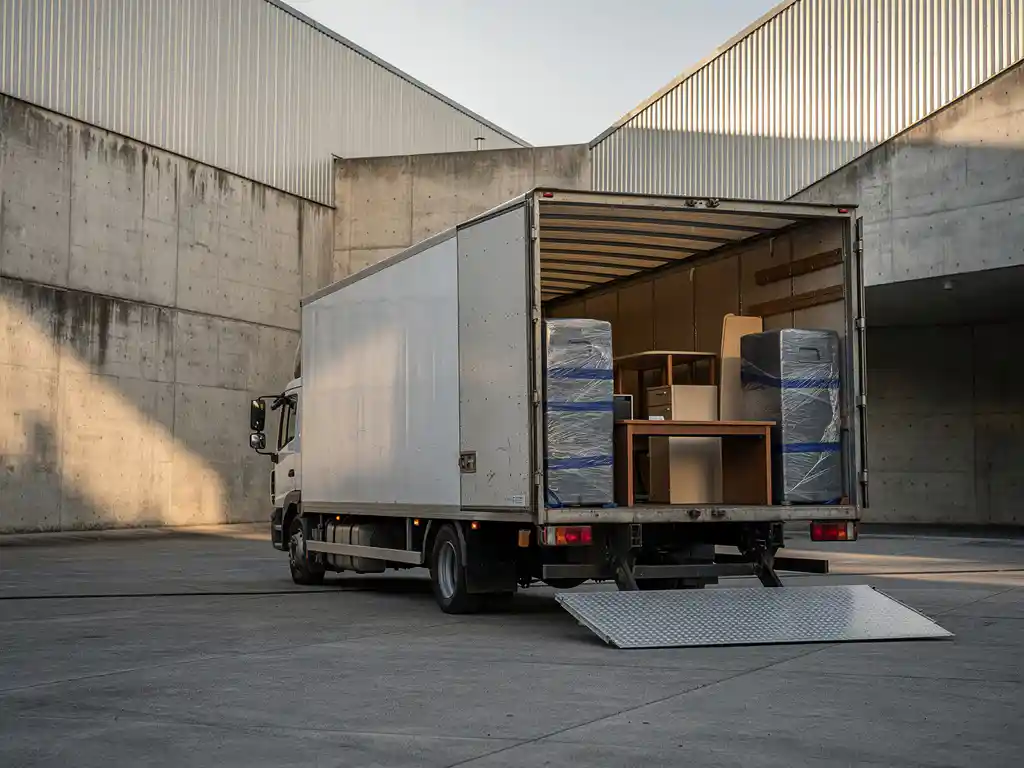
Transporting furniture to industrial areas presents unique challenges that differ significantly from standard residential or commercial deliveries. Industrial zones operate under specific regulations, access requirements, and logistical constraints that can affect delivery schedules and operational efficiency. Understanding these complexities is essential for successful furniture transport operations in industrial environments.
Whether you’re delivering office furniture to manufacturing facilities, warehouse equipment, or furnishings for industrial break rooms, proper planning and preparation can mean the difference between smooth operations and costly delays. Let’s explore the key considerations that make furniture deliveries to industrial areas successful.
What makes transporting furniture to industrial areas different?
Transporting furniture to industrial areas differs from standard deliveries due to strict security protocols, specialized access requirements, and complex facility layouts. Industrial zones typically require advance scheduling, specific vehicle certifications, and adherence to safety regulations that don’t apply to residential or standard commercial deliveries.
The physical environment presents additional challenges. Industrial facilities often feature loading docks designed for large freight vehicles, narrow internal corridors, and restricted parking areas. Security measures may include mandatory check-ins, escort requirements, and restricted operating hours. Additionally, industrial sites frequently handle hazardous materials or operate heavy machinery, creating safety considerations that affect delivery procedures.
Timing becomes critical in industrial settings where production schedules drive operations. Many facilities operate on just-in-time principles, making delivery windows non-negotiable. Understanding these operational rhythms helps ensure furniture deliveries integrate smoothly with existing workflows without disrupting critical business processes.
What access restrictions should you expect in industrial zones?
Industrial zones commonly enforce vehicle weight limits, height restrictions, and mandatory security clearances that can prevent unauthorized access. Most industrial areas require pre-registration of delivery vehicles, driver identification verification, and advance notification of delivery schedules, sometimes 24 to 48 hours in advance.
Security protocols vary significantly between facilities. Some industrial sites require escort services for all external vehicles, while others mandate specific entry and exit routes. Restricted hours are common, with many facilities limiting deliveries to specific time windows to avoid interfering with shift changes or peak production periods.
Environmental restrictions may also apply. Facilities handling food products, pharmaceuticals, or electronics often require vehicle cleanliness certifications or prohibit certain types of equipment. Understanding these requirements beforehand prevents delays and ensures compliance with facility standards.
How do you plan delivery routes for industrial areas?
Effective route planning for industrial areas requires mapping vehicle restrictions, identifying optimal entry points, and coordinating with facility schedules to minimize delays. Industrial zones often feature one-way roads, weight-restricted bridges, and designated truck routes that differ from standard GPS recommendations.
Start by contacting the destination facility to understand its preferred delivery routes and any road restrictions. Many industrial areas prohibit large vehicles on certain streets or during peak traffic hours. Factor in additional time for security check-ins, which can add 15 to 30 minutes to each delivery.
Consider consolidating multiple deliveries within the same industrial zone to maximize efficiency. This approach reduces travel time and can help meet minimum delivery requirements that some facilities impose. Always maintain flexibility in scheduling, as industrial operations can change rapidly due to production demands or emergency situations.
What vehicle requirements apply to industrial deliveries?
Industrial deliveries typically require vehicles with specific safety equipment, proper insurance coverage, and certifications that meet facility standards. Common requirements include commercial vehicle licensing, hazardous material placarding capabilities, and vehicles equipped with loading equipment suitable for industrial dock heights.
Vehicle size considerations are crucial. While industrial facilities can often accommodate larger vehicles, internal navigation may require smaller, more maneuverable trucks. Some facilities specify maximum vehicle dimensions or require specific turning radii for safe navigation through their premises.
Safety equipment requirements may include fire extinguishers, first aid kits, and emergency communication devices. Certain industrial environments also mandate vehicles that meet specific emissions standards or require electric vehicles in environmentally sensitive areas. Ensuring vehicles meet all applicable requirements prevents access denial and potential safety violations.
How do you handle loading and unloading at industrial facilities?
Loading and unloading at industrial facilities requires coordination with dock scheduling systems, use of facility-specific equipment, and adherence to strict safety protocols. Most industrial sites operate appointment-based dock scheduling, requiring advance booking and confirmation of delivery windows.
Industrial facilities typically feature standardized loading docks with specific height requirements and safety protocols. Drivers must understand proper dock plate usage, wheel chock procedures, and facility-specific safety requirements. Many sites require safety briefings before allowing access to loading areas.
Communication with facility personnel is essential throughout the process. Designate clear contact points for scheduling changes, emergency situations, and delivery confirmations. Many industrial facilities use warehouse management systems that require specific documentation or scanning procedures during the unloading process.
What documentation is required for industrial area deliveries?
Industrial area deliveries require comprehensive documentation, including delivery schedules, vehicle registration, driver identification, and detailed cargo manifests. Most facilities mandate advance submission of delivery documentation, often through electronic systems or specific forms provided by the receiving facility.
Essential documents typically include commercial driver’s licenses, vehicle insurance certificates, and cargo documentation specifying furniture types, quantities, and destination locations within the facility. Some industrial sites require additional certifications, such as safety training records or hazardous material handling permits.
Maintain detailed delivery records, including arrival times, contact persons, and any incidents or delays encountered. This documentation is valuable for future deliveries and helps identify potential improvements in delivery processes. Many facilities also require proof-of-delivery signatures from authorized personnel rather than general staff.
Hoe Jan Krediet helpt met industriële meubellogistiek
We specialize in navigating the complexities of furniture deliveries to industrial areas through our comprehensive furniture logistics solutions. Our experienced team understands the unique requirements of industrial environments and provides end-to-end support for your delivery needs.
Our industrial delivery expertise includes:
- Pre-delivery facility coordination and documentation management
- A specialized vehicle fleet equipped to meet industrial access requirements
- Experienced drivers trained in industrial safety protocols
- Flexible scheduling that accommodates industrial operational demands
- Complete assembly and installation services at industrial locations
With over 200 logistics professionals and extensive experience in industrial deliveries worldwide, we ensure your furniture reaches its destination safely and on schedule. Contact us to discuss how we can streamline your industrial area furniture transport requirements and provide the reliable service your operations demand.