




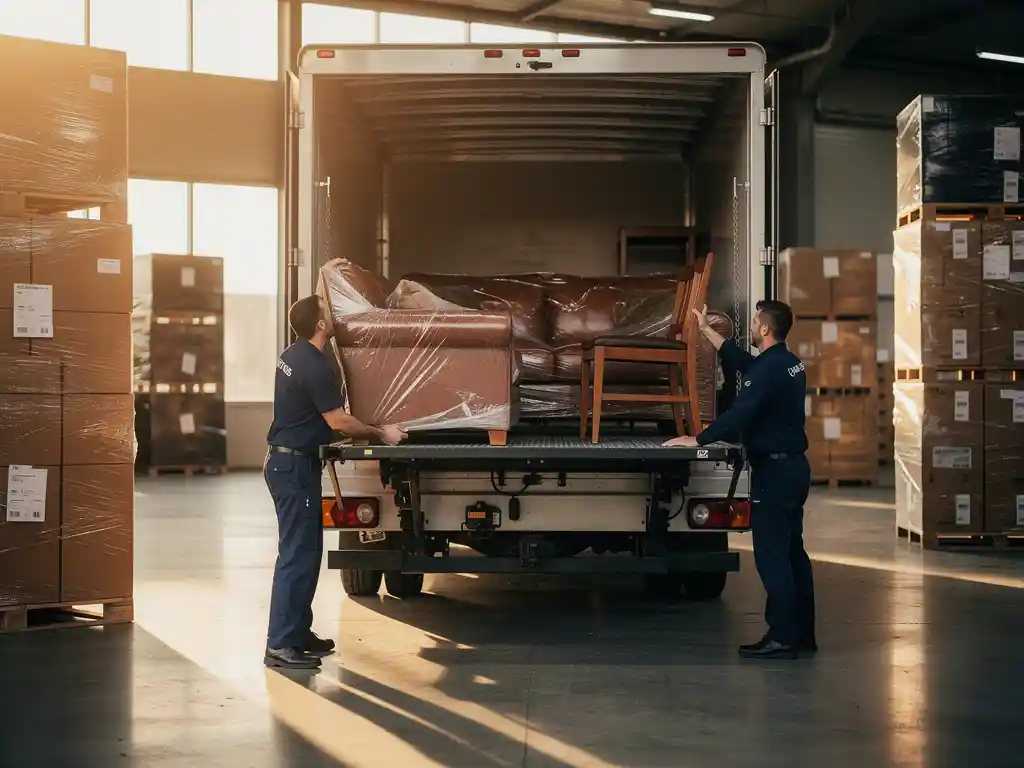
Managing furniture transport costs effectively can significantly impact your bottom line, especially when dealing with regular shipments. Whether you’re a furniture retailer, manufacturer, or distributor, understanding how to optimize transport expenses while maintaining service quality is crucial for long-term profitability.
The furniture industry faces unique logistical challenges due to the size, weight, and fragility of its products. However, with strategic planning and the right approach to transport cost optimization, businesses can achieve substantial logistics cost reductions without compromising delivery standards.
What are the main cost drivers in furniture transport?
The primary cost drivers in furniture transport include fuel expenses, vehicle capacity utilization, labor costs, packaging materials, and insurance premiums. These factors typically account for 70–80% of total furniture shipping costs, with fuel and labor representing the largest shares.
Fuel costs fluctuate based on distance, route efficiency, and current market prices. Vehicle capacity utilization directly affects cost per item, as underutilized trucks increase per-unit transport expenses. Labor costs include driver wages, loading and unloading time, and specialized handling requirements for delicate furniture pieces.
Insurance premiums vary based on cargo value, transport distance, and historical damage rates. Packaging materials, while seemingly minor, can add up to significant costs for regular shipments, especially when using premium protective materials for high-value furniture items.
How can route optimization reduce furniture shipping costs?
Route optimization can reduce furniture shipping costs by 15–25% through improved fuel efficiency, reduced delivery times, and maximized vehicle utilization. Advanced routing software analyzes traffic patterns, delivery windows, and vehicle capacity to create the most cost-effective delivery sequences.
Effective route planning consolidates multiple deliveries within geographic clusters, minimizing empty miles and reducing overall fuel consumption. This approach also improves time management, enabling drivers to complete more deliveries per day while reducing overtime expenses.
Modern route optimization tools consider real-time factors such as traffic congestion, road closures, and weather conditions. These systems continuously adjust routes to maintain efficiency, ensuring furniture delivery costs remain predictable and controlled even when unexpected circumstances arise.
What’s the difference between LTL and FTL for furniture transport?
Less-than-truckload (LTL) shipping shares truck space with other shipments and costs less for smaller furniture loads, while full truckload (FTL) shipping dedicates an entire truck to your shipment and offers faster transit times but higher costs for smaller volumes. The breakeven point typically occurs at around 12–15 pallets of furniture.
LTL shipping works well for regular furniture transport when you have consistent but smaller volumes. This method allows you to benefit from shared transportation costs while maintaining reasonable delivery schedules. However, LTL shipments may require additional handling at transfer terminals, potentially increasing the risk of damage to delicate furniture pieces.
FTL becomes cost-effective for larger furniture shipments or when you need guaranteed delivery schedules. This method eliminates intermediate handling, reducing the potential for damage and providing better control over delivery timing. FTL also allows for specialized equipment when transporting oversized or particularly fragile furniture items.
How does packaging affect furniture transport costs?
Packaging significantly affects furniture transport costs through its impact on dimensional weight, damage rates, and handling efficiency. Optimized packaging can reduce transport expenses by 10–20% while simultaneously decreasing damage-related costs and insurance claims.
Proper packaging reduces dimensional weight by minimizing unnecessary bulk while providing adequate protection. This optimization allows more furniture pieces per truck, improving vehicle utilization and reducing per-unit transport costs. Standardized packaging dimensions also facilitate better load planning and stacking efficiency.
Investing in quality packaging materials costs more upfront but can significantly reduce damage rates. Lower damage rates translate into fewer insurance claims, reduced replacement costs, and improved customer satisfaction. Additionally, well-packaged furniture requires less careful handling, reducing loading and unloading time and associated labor costs.
When should you use consolidated shipping for furniture?
Consolidated shipping becomes cost-effective for furniture transport when you have multiple smaller shipments going to similar geographic regions or when individual shipments don’t justify full truckload costs. This approach typically reduces transport expenses by 20–40% compared to shipping each order separately.
Consider consolidated shipping when your furniture orders are geographically clustered but individually small, when you have flexible delivery timeframes, or when transport cost optimization takes priority over speed. This method works particularly well for regular furniture transport to established distribution networks or retail locations.
The key to successful consolidation lies in balancing cost savings with service requirements. While consolidated shipping reduces expenses, it may extend delivery times due to multiple stops and coordination requirements. Evaluate your customers’ expectations and business priorities to determine when this approach provides the best value proposition.
How Jan Krediet helps with furniture transport cost optimization
We specialize in reducing furniture transport costs through our comprehensive approach to supply chain savings and transport efficiency. Our expertise in furniture logistics helps businesses achieve significant cost reductions while maintaining high service standards.
Our project logistics solutions provide cost-effective furniture transport through:
- Advanced route optimization using our fleet of 250 vehicles
- Consolidated shipping options across our European network
- Specialized packaging solutions that reduce damage and dimensional weight
- Flexible LTL and FTL options based on your specific volume requirements
- Real-time tracking and optimization of transport costs
With over 60,000 square meters of warehouse space and more than 200 logistics professionals, we optimize complete furniture supply chains from planning to final delivery. Our membership in the global Mach 3000 furniture logistics network enables cost-effective international transport solutions.
Ready to reduce your furniture transport costs? Contact us today to discuss how our expertise can optimize your logistics expenses while improving service quality.