




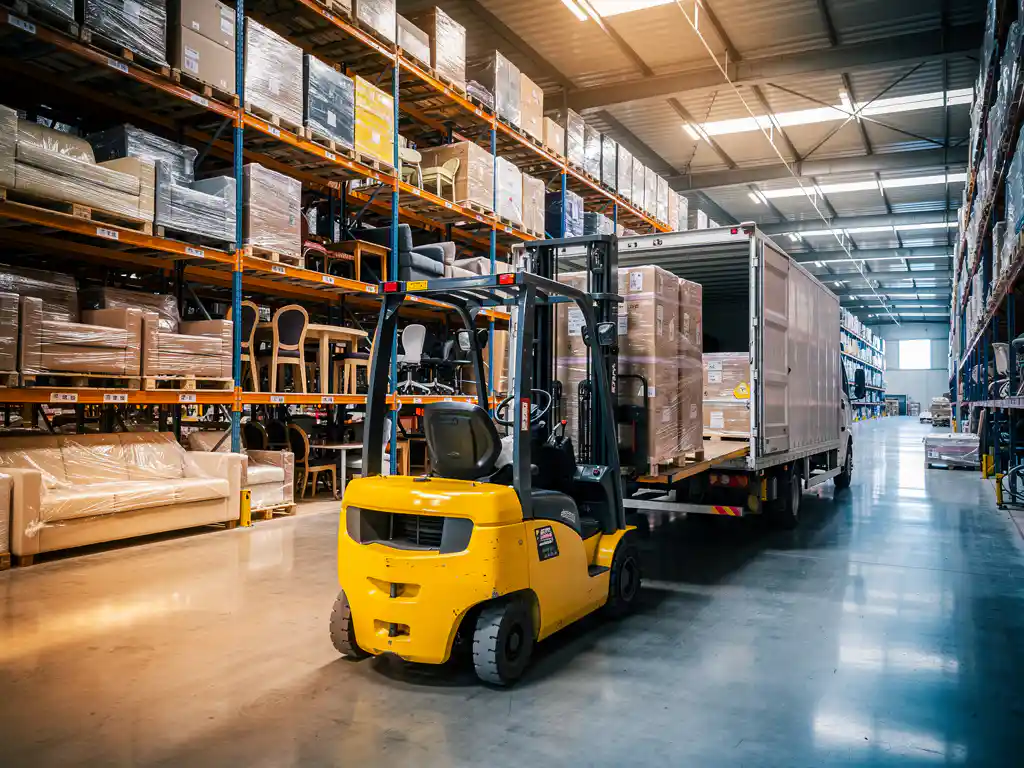
Planning furniture transport for large-scale projects requires a completely different approach than standard delivery services. Whether you’re furnishing a new office building, setting up a hotel, or completing a major renovation, the complexity multiplies exponentially when coordinating hundreds or thousands of furniture pieces across multiple suppliers, tight deadlines, and specific installation requirements.
Successful project furniture logistics demands strategic planning, specialized equipment, and seamless coordination among multiple stakeholders. From managing delivery schedules to handling on-site installation challenges, every aspect requires careful consideration to ensure your project stays on track and within budget.
What makes furniture transport different for large-scale projects?
Large-scale furniture transport differs fundamentally from standard deliveries due to the sheer volume, coordination complexity, and strict project timelines involved. Unlike single-item deliveries, project logistics requires managing hundreds or thousands of pieces simultaneously while coordinating with construction schedules, building access restrictions, and multiple installation teams.
The primary differences include volume management: standard transport handles individual orders, while project logistics manages bulk quantities that require specialized warehousing and staging areas. Timeline coordination becomes critical, as delays can affect entire project schedules and lead to costly knock-on effects. Quality control standards are also elevated, as damage to large quantities of items can cause significant project delays and budget overruns.
Building access presents unique challenges in large-scale projects. Standard deliveries typically use ground-floor access, while project deliveries often require freight elevators, crane access, or specialized lifting equipment to reach upper floors. Space constraints at construction sites mean furniture must often be delivered in specific sequences and stored temporarily in designated staging areas.
How do you coordinate delivery schedules for multiple furniture suppliers?
Coordinating delivery schedules for multiple furniture suppliers requires a centralized logistics management system that synchronizes all suppliers with the project timeline and site readiness. This involves creating a master delivery schedule that accounts for construction progress, building access availability, and installation team capacity while maintaining buffer time for unexpected delays.
The coordination process begins with establishing clear communication protocols among all suppliers, the logistics coordinator, and the project management team. Each supplier must provide detailed production schedules, shipping timelines, and delivery requirements. This information feeds into a master logistics plan that sequences deliveries based on installation priorities and site accessibility.
Effective coordination also requires contingency planning for common disruptions. Weather delays, construction schedule changes, and supplier production issues can cascade through the entire delivery schedule. Having alternative delivery windows and backup storage solutions ensures project momentum continues even when original plans need adjustment.
What transport equipment is needed for large furniture projects?
Large furniture projects require specialized transport equipment, including heavy-duty trucks with hydraulic lift gates, furniture dollies and moving equipment, protective wrapping materials, and often crane or freight elevator access for multi-story deliveries. The equipment selection depends on furniture types, building characteristics, and site accessibility constraints.
Vehicle requirements typically include large-capacity trucks or semi-trailers for bulk transport, smaller delivery trucks for site access in urban environments, and climate-controlled vehicles for sensitive furniture pieces. Loading equipment such as forklifts, pallet jacks, and furniture dollies is essential for efficient handling of large quantities.
Protective equipment becomes crucial for maintaining furniture quality during transport and handling. This includes furniture blankets, plastic wrap, corner protectors, and custom crating for delicate or high-value pieces. For multi-story deliveries, specialized equipment such as furniture hoists, crane services, or building freight elevators may be necessary to safely transport large pieces to upper floors.
How do you handle furniture installation logistics on-site?
On-site furniture installation logistics require careful sequencing of deliveries, designated staging areas, and coordinated installation teams working in phases to avoid congestion and ensure an efficient workflow. The key is creating a systematic approach that moves furniture from delivery trucks through staging areas to final installation locations without creating bottlenecks.
The installation process typically begins with establishing secure staging areas where furniture can be temporarily stored and sorted before installation. These areas must be protected from weather, construction dust, and potential damage while providing easy access for installation teams. Proper staging prevents congestion at delivery points and allows for quality inspection before installation begins.
Coordination among multiple installation teams requires detailed scheduling and clear communication protocols. Different furniture types often require specialized installation teams, and their work must be sequenced to avoid conflicts. For example, built-in furniture and millwork typically are installed first, followed by freestanding pieces, with final accessories and artwork completing the process.
What are the biggest risks in large-scale furniture transport?
The biggest risks in large-scale furniture transport include delivery delays that affect project timelines, damage to furniture during handling and transport, coordination failures among multiple suppliers, and cost overruns due to unexpected logistical challenges. These risks can cascade through entire projects, causing significant delays and budget impacts.
Damage risk increases exponentially with project scale due to the volume of handling required and the complexity of delivery routes. High-value furniture pieces face particular risk during multi-story deliveries or when navigating tight building access points. Weather exposure, improper handling, and inadequate protection during transport can result in costly replacements and project delays.
Timeline risks often stem from poor coordination among suppliers, construction schedules, and installation teams. When one element falls behind, it can create a domino effect throughout the project. Building access issues, such as elevator outages or construction delays, can strand furniture deliveries and disrupt carefully planned schedules.
Security risks also increase with large-scale projects, as valuable furniture inventory may be stored on construction sites or in temporary staging areas for extended periods. Theft, vandalism, or unauthorized access can result in significant losses and project disruption.
How do you track and manage costs for project furniture logistics?
Cost tracking for project furniture logistics requires detailed budgeting that accounts for transport, handling, storage, installation, and contingency expenses, combined with real-time monitoring systems that track actual costs against budgets throughout the project lifecycle. This involves breaking down costs by category and maintaining visibility into both planned and unexpected expenses.
Effective cost management begins with comprehensive budget planning that includes all logistics components: transportation costs for multiple suppliers, temporary storage and staging fees, specialized handling equipment, installation labor, and insurance coverage. Building in contingency reserves for unexpected costs helps prevent budget overruns when complications arise.
Real-time cost tracking systems provide ongoing visibility into project expenses, allowing for early intervention when costs begin exceeding budgets. This includes monitoring supplier delivery costs, storage fees, labor expenses, and any additional charges for specialized services or equipment. Regular cost reporting helps identify trends and enables proactive cost-control measures.
How Jan Krediet helps with project logistics for furniture transport
We specialize in complex project logistics that tackle the unique challenges of large-scale furniture transport. Our comprehensive approach covers every aspect of your project, from initial planning to final installation, ensuring seamless execution regardless of project size or complexity.
Our project logistics solutions include:
- Complete supply chain planning and coordination across multiple furniture suppliers
- Specialized transport equipment and handling for delicate and oversized furniture pieces
- On-site project management with local coordination at more than 150 locations worldwide
- Warehousing, staging, and assembly services to support complex project timelines
- Installation coordination and customs handling for international projects
With over 200 logistics professionals, 250 vehicles, and 60,000 square meters of warehouse space, we have the capacity and expertise to handle projects of any scale. Our team creates detailed project plans using data and floor plans to map every detail before arriving on-site, ensuring smooth execution even when unexpected challenges arise.
Ready to streamline your next large-scale furniture project? Contact our project logistics team to discuss how we can optimize your furniture transport and installation logistics.