




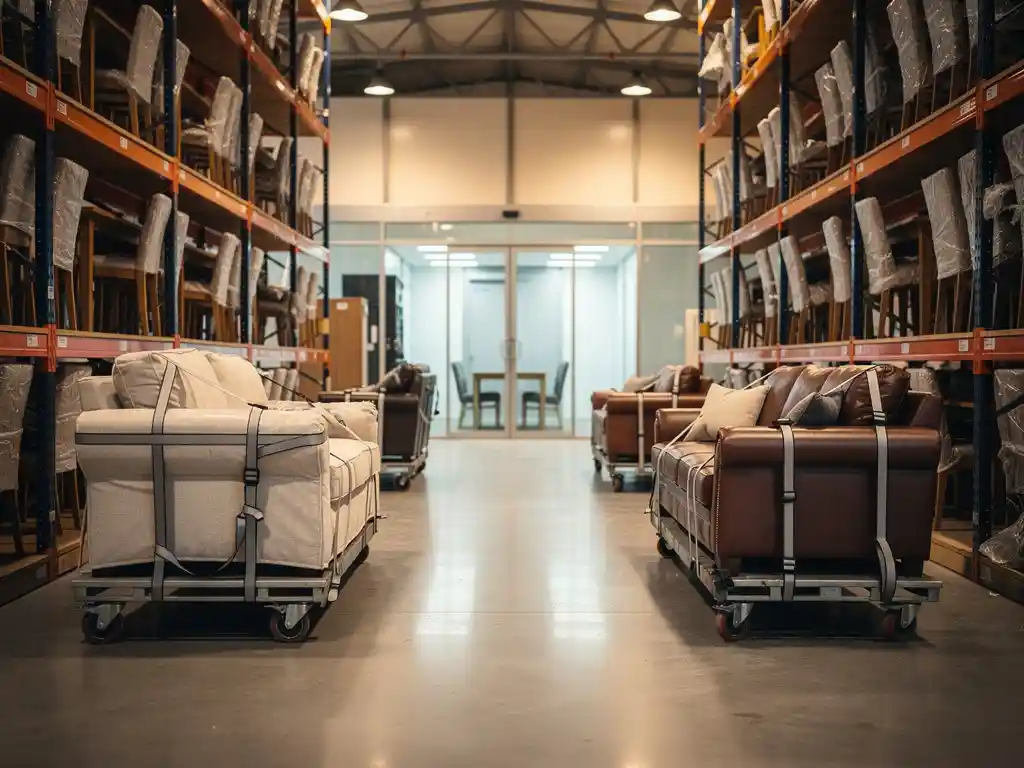
When choosing a furniture transport company, understanding its storage capabilities is just as important as evaluating its transportation services. Modern furniture logistics involves complex supply chains in which items may need to be stored at various points along the journey, from the manufacturer to the final destination. Whether you’re a retailer managing inventory, a business relocating offices, or overseeing a large-scale furniture project, the right storage solutions can make the difference between a smooth operation and costly delays.
Professional furniture transport companies offer sophisticated warehousing services that go far beyond simple storage space. These specialized facilities are designed to protect valuable furniture while providing the flexibility businesses need in today’s dynamic marketplace.
What storage options do furniture transport companies typically provide?
Furniture transport companies typically offer three main storage options: dedicated warehouse space, shared warehousing facilities, and specialized project storage. These solutions range from basic secure storage to comprehensive inventory management systems with real-time tracking capabilities.
Dedicated warehouse space provides exclusive storage areas for large clients or long-term contracts. This option gives businesses complete control over their inventory and allows for customized storage configurations. Shared warehousing facilities offer cost-effective solutions in which multiple clients share space and resources, making them ideal for smaller businesses or seasonal storage needs.
Specialized project storage supports time-sensitive installations and deliveries. This service coordinates storage with specific project timelines, ensuring furniture arrives exactly when needed. Many companies also provide cross-docking services, in which items are temporarily stored during transfers between different transportation modes or routes.
How do climate-controlled storage facilities protect furniture during transport?
Climate-controlled storage facilities maintain consistent temperature and humidity levels—typically between 55 and 75°F and 30% to 50% humidity—protecting furniture from warping, cracking, mold, and other environmental damage. These controlled conditions are essential for preserving wood finishes, fabric integrity, and structural stability.
Temperature fluctuations can cause wood to expand and contract, leading to loosened joints and cracked surfaces. Humidity control prevents moisture-related issues such as mold growth on upholstered items and corrosion on metal hardware. Advanced facilities also include air-filtration systems that remove dust, pollutants, and other particles that could settle on furniture surfaces.
Many facilities use monitoring systems that track environmental conditions 24/7 and send alerts if levels fall outside optimal ranges. This proactive approach ensures immediate corrective action when needed, maintaining the pristine condition of stored furniture throughout the storage period.
What’s the difference between short-term and long-term furniture storage?
Short-term furniture storage typically lasts from a few days to several months and focuses on temporary holding during transitions, while long-term storage extends beyond six months and emphasizes preservation and inventory management over extended periods.
Short-term storage solutions prioritize quick access and efficient turnover. These facilities often feature easy loading areas, flexible scheduling, and streamlined check-in processes. The storage areas may be less specialized since items won’t remain for extended periods, though basic protection measures are still maintained.
Long-term storage requires more comprehensive preservation measures. Furniture pieces are often wrapped in protective materials, elevated off the floor, and positioned to prevent pressure damage. These facilities typically offer detailed inventory-tracking systems, regular condition inspections, and enhanced security measures since items remain on-site for extended periods.
How do furniture transport companies handle fragile and high-value items in storage?
Furniture transport companies handle fragile and high-value items through specialized storage protocols, including custom packaging, dedicated storage zones, enhanced security systems, and detailed documentation processes. These items receive individual attention and protection measures tailored to their specific vulnerability and value.
Custom packaging involves wrapping delicate pieces in protective materials such as bubble wrap, furniture blankets, and custom crating for extremely valuable items. Fragile items are stored in designated areas away from high-traffic zones to minimize handling risks. Many companies use padded storage racks and custom supports to prevent pressure damage.
Enhanced security measures for high-value items include restricted-access areas, additional surveillance cameras, and detailed chain-of-custody documentation. Some facilities provide individual storage units or cages for extremely valuable pieces. Regular condition checks ensure any issues are identified and addressed promptly, with detailed photographic records of item condition.
What additional services can you get with furniture storage solutions?
Additional services available with furniture storage solutions include inventory management systems, assembly and installation coordination, quality inspections, cleaning services, and just-in-time delivery scheduling. These value-added services transform basic storage into comprehensive logistics support.
Inventory management systems provide real-time tracking of stored items, automated reporting, and integration with clients’ management systems. This technology enables businesses to monitor inventory levels, track item locations, and coordinate deliveries efficiently. Many companies offer online portals where clients can access their inventory information 24/7.
Assembly and installation coordination services schedule skilled technicians to prepare furniture for delivery or installation at the destination. Quality inspections ensure items meet standards before delivery, while cleaning services help maintain furniture appearance during storage. Just-in-time delivery scheduling coordinates storage release with project timelines, reducing on-site storage needs and improving project efficiency.
How Jan Krediet helps with furniture storage solutions
We provide comprehensive furniture storage solutions that combine our extensive warehouse facilities with specialized expertise in furniture logistics. With over 60,000 square meters of storage space across our facilities in Steenwijk and Venlo, we offer both short-term and long-term storage options tailored to your specific needs.
Our storage services include:
- Climate-controlled environments that protect furniture from environmental damage
- Specialized handling protocols for fragile and high-value items
- Advanced inventory management systems with real-time tracking
- Assembly and installation coordination through our project logistics team
- Flexible storage durations, from days to years
- Integration with our global transport network for seamless logistics
As part of the worldwide furniture logistics network, and with our recent integration with Logistics Plus, we can coordinate storage solutions across more than 150 locations globally. Whether you need temporary storage during a complex installation project or long-term warehousing for inventory management, our experienced team creates customized solutions that optimize your furniture logistics chain. Contact us today to discuss how our storage solutions can support your furniture transport needs.