




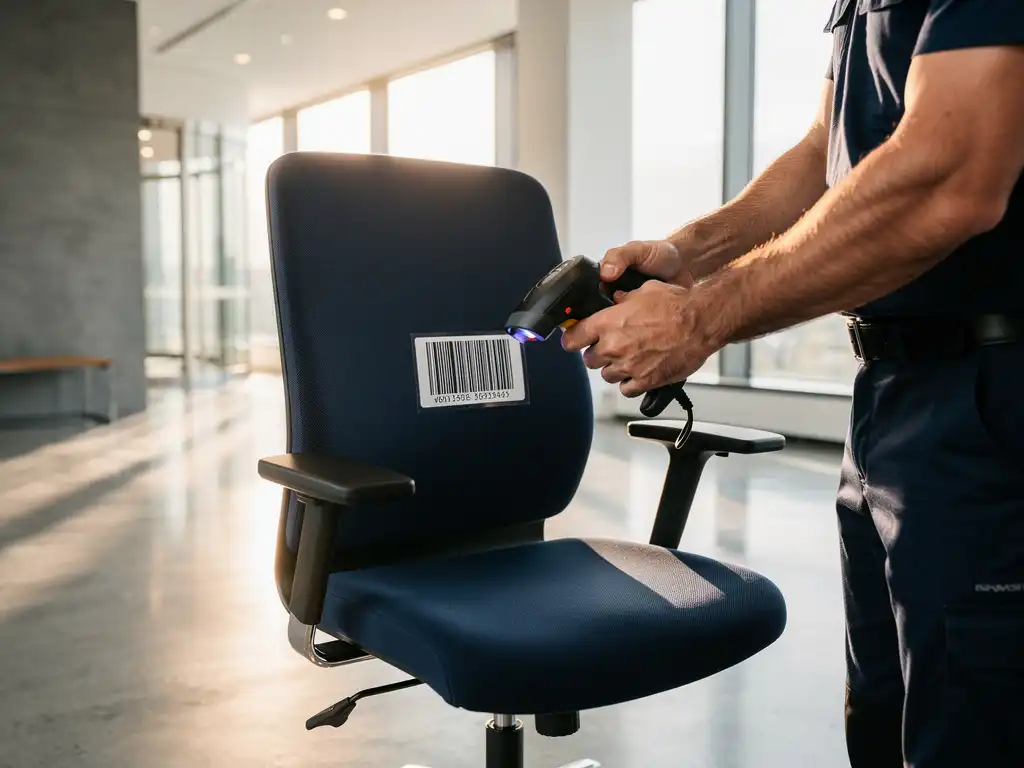
Modern furniture delivery projects involve complex logistics operations that require careful data collection and management throughout the entire process. From initial planning to final installation, comprehensive data tracking ensures smooth operations, accurate billing, and exceptional customer service.
Understanding what information is captured during project-based furniture delivery helps businesses optimize their logistics operations and improve overall project outcomes. This data-driven approach has become essential for managing large-scale commercial furniture installations and complex residential projects.
What data is collected during furniture project delivery?
Project-based furniture delivery involves collecting comprehensive data across multiple touchpoints, including item specifications, delivery schedules, installation requirements, and real-time tracking information. This data encompasses product details, customer information, delivery addresses, special handling instructions, and progress updates throughout the entire logistics chain.
The data collection process typically begins with order intake, where detailed product specifications are recorded. This includes item dimensions, weight, materials, special handling requirements, and assembly instructions. Customer data such as delivery addresses, contact information, preferred delivery windows, and site-specific requirements like elevator access or loading dock availability are also captured.
During the warehousing phase, inventory management systems track product locations, condition assessments, and preparation status. Quality control checkpoints generate data about product inspections, packaging verification, and loading confirmations. Real-time tracking data follows items from the warehouse to the destination, including GPS coordinates, delivery timestamps, and any delays or route modifications.
Installation teams collect additional data, including assembly time, completion status, customer acceptance signatures, and any issues encountered during setup. This comprehensive data collection ensures full visibility and accountability throughout the entire project delivery process.
How is delivery tracking data used in furniture logistics?
Delivery tracking data serves multiple critical functions in furniture logistics, primarily enabling real-time visibility, route optimization, customer communication, and performance analysis. This information helps logistics providers make informed decisions, prevent delays, and maintain high service standards throughout complex delivery projects.
Real-time tracking data allows logistics teams to monitor vehicle locations, delivery progress, and potential disruptions. This visibility enables proactive communication with customers about arrival times and helps coordinate installation teams effectively. When delays occur, tracking data provides accurate information for rescheduling and resource reallocation.
Route optimization algorithms use historical tracking data to identify the most efficient delivery sequences and transportation routes. This analysis considers factors like traffic patterns, delivery time windows, and vehicle capacity constraints to minimize costs and improve delivery reliability.
Customer service teams leverage tracking data to provide accurate updates and manage expectations. Automated notifications keep customers informed about delivery status, while detailed tracking records help resolve any disputes or claims that may arise during the delivery process.
What documentation is required for commercial furniture projects?
Commercial furniture projects require extensive documentation, including delivery receipts, installation certificates, compliance records, warranty information, and customer acceptance forms. This documentation ensures legal compliance, supports warranty claims, and provides audit trails for large-scale commercial installations.
Delivery receipts serve as proof of successful product handover and typically include item descriptions, quantities, condition assessments, and customer signatures. These documents are essential for billing accuracy and resolving any discrepancies that may arise after delivery.
Installation certificates document the completion of assembly and setup work, including safety compliance checks and quality assurance verifications. These certificates are particularly important for commercial projects where furniture must meet specific safety standards and building codes.
Compliance documentation includes certificates of origin, safety certifications, and environmental compliance records. Large commercial projects often require detailed documentation proving that furniture meets specific industry standards, fire safety requirements, and sustainability criteria.
Project completion documentation includes final inspection reports, customer acceptance forms, and warranty activation records. This paperwork ensures that all project requirements have been met and provides the foundation for ongoing customer support and warranty services.
How does data collection improve furniture delivery efficiency?
Data collection significantly improves furniture delivery efficiency by enabling predictive analytics, resource optimization, quality control, and continuous process improvement. Comprehensive data analysis helps identify bottlenecks, reduce errors, and streamline operations across the entire logistics chain.
Predictive analytics use historical delivery data to forecast demand patterns, identify potential delays, and optimize resource allocation. This analysis helps logistics providers schedule deliveries more effectively and maintain appropriate inventory levels to meet customer demand.
Resource optimization algorithms analyze delivery data to improve vehicle utilization, reduce empty miles, and minimize handling costs. By understanding delivery patterns and customer requirements, logistics providers can consolidate shipments and optimize route planning to reduce overall transportation expenses.
Quality control processes benefit from systematic data collection that tracks damage rates, customer complaints, and installation issues. This information helps identify recurring problems and implement preventive measures to improve service quality and reduce costly returns or rework.
Performance metrics derived from delivery data enable continuous improvement initiatives. Key performance indicators such as on-time delivery rates, customer satisfaction scores, and cost per delivery provide insights for optimizing operations and maintaining competitive service levels.
How Jan Krediet helps with project-based furniture delivery
We specialize in comprehensive, data-driven project logistics solutions that ensure seamless furniture delivery from planning to installation. Our advanced tracking systems and experienced project teams provide complete visibility and control throughout complex furniture delivery projects.
Our project logistics services include:
- Comprehensive project planning with detailed data mapping and timeline coordination
- Real-time tracking and monitoring throughout the entire delivery process
- Complete documentation management, including compliance and warranty records
- Professional installation teams with quality assurance protocols
- Global project capabilities across more than 150 locations worldwide
With over 200 logistics professionals and advanced warehouse management systems, we handle complex commercial furniture projects with precision and reliability. Our data-driven approach ensures optimal efficiency while maintaining the highest service standards for your furniture delivery needs.
Ready to optimize your furniture delivery project? Contact us today to discuss how our comprehensive logistics solutions can streamline your next furniture installation project.