




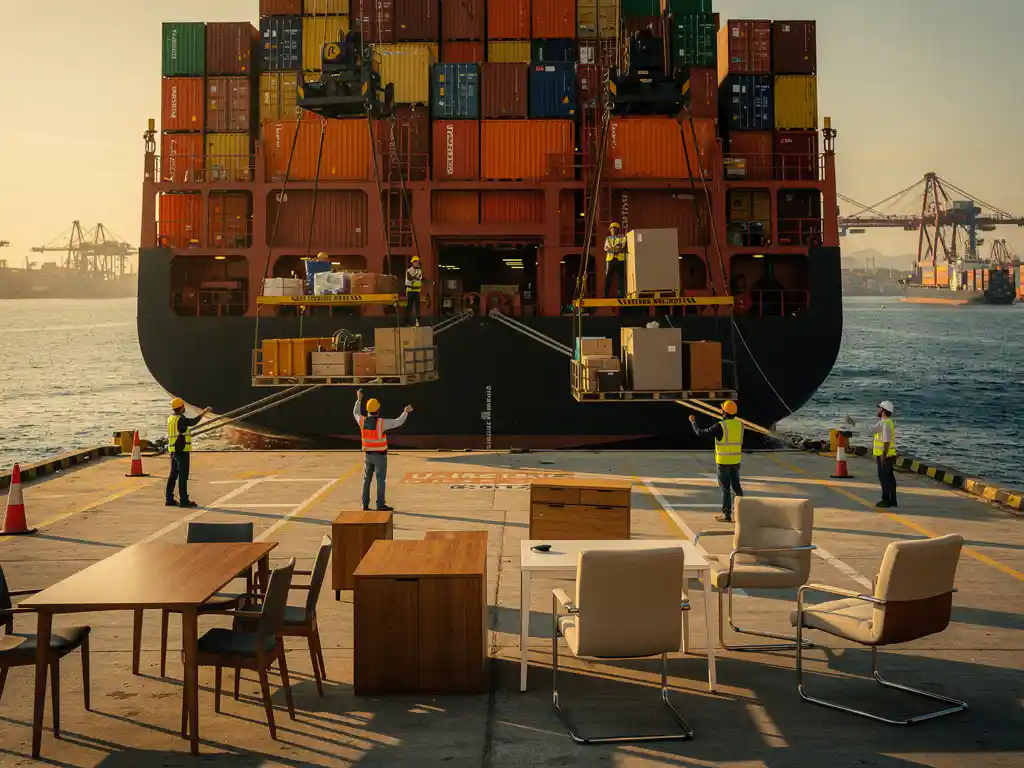
The global furniture industry has evolved dramatically, with manufacturers increasingly taking on complex projects that require sophisticated logistics coordination. International furniture manufacturers today face the challenge of delivering complete furnishing solutions for large-scale projects, from office buildings to hotels, which requires specialized project logistics capabilities.
Understanding whether furniture manufacturers can effectively manage project logistics is crucial for businesses planning large-scale furnishing projects. This capability directly affects project timelines, costs, and overall success rates in today’s competitive marketplace.
What is project logistics in the furniture manufacturing industry?
Project logistics in the furniture manufacturing industry refers to the specialized coordination and management of complex furniture delivery projects that require precise timing, sequenced installations, and comprehensive supply chain orchestration. Unlike standard furniture shipping, project logistics involves managing multiple stakeholders, coordinating delivery schedules, and ensuring seamless installation across large-scale projects.
This specialized service encompasses several critical components. First, detailed project planning involves mapping out delivery schedules, installation sequences, and coordination with construction timelines. Second, inventory management ensures all furniture pieces arrive at the right time and in the right location, preventing costly delays. Third, on-site coordination manages the actual delivery and installation process, often working around ongoing construction or renovation activities.
International furniture manufacturers that use project logistics must also navigate customs clearance, international shipping regulations, and local installation requirements. The complexity increases significantly when projects span multiple countries or require coordination with local contractors and regulatory bodies.
How do international furniture manufacturers handle complex project deliveries?
International furniture manufacturers handle complex project deliveries through strategic partnerships, advanced planning systems, and specialized project teams that coordinate every aspect from production to final installation. The most successful manufacturers establish dedicated project management divisions that work exclusively on large-scale deliveries.
The process typically begins with a comprehensive project assessment and planning. Manufacturers analyze project requirements, site constraints, delivery timelines, and installation complexities. They then develop detailed logistics plans that account for production schedules, shipping routes, customs procedures, and on-site installation requirements.
Many international manufacturers leverage technology platforms for real-time tracking and communication. These systems enable coordination between production facilities, shipping partners, and on-site installation teams. Additionally, manufacturers often establish regional warehousing facilities to reduce delivery times and provide buffer stock for complex projects.
Risk management plays a crucial role in handling complex deliveries. Manufacturers develop contingency plans for potential delays, damage, or unforeseen site complications. This includes maintaining emergency inventory, establishing alternative shipping routes, and having backup installation teams available.
What’s the difference between standard furniture shipping and project logistics?
Standard furniture shipping involves the straightforward delivery of individual items or small orders to end customers, while project logistics encompasses comprehensive coordination of large-scale furniture deliveries with precise timing, sequenced installations, and the management of multiple stakeholders. The complexity and scope differ dramatically between these two approaches.
Standard shipping typically follows a simple process: order fulfillment, packaging, shipping, and delivery to a single location. The customer usually handles unpacking and installation independently. There is flexibility in timing, and delivery can often accommodate the customer’s general availability.
Project logistics, conversely, requires detailed coordination across multiple phases. This includes synchronized delivery schedules that align with construction timelines, coordinated installation sequences that prevent workflow disruptions, and management of multiple delivery points within large facilities. Installation teams must work around ongoing construction activities and coordinate with other contractors.
The stakeholder complexity also differs significantly. Standard shipping involves the manufacturer, shipping carrier, and end customer. Project logistics involves manufacturers, project logistics specialists, construction managers, facility managers, installation teams, and often multiple decision-makers within client organizations.
Can furniture manufacturers manage project logistics in-house, or should they outsource?
Most furniture manufacturers should outsource project logistics to specialized providers rather than managing these complex operations in-house, because project logistics requires specific expertise, infrastructure, and resources that differ significantly from core manufacturing competencies. The decision depends on project volume, complexity, and available internal resources.
Managing project logistics in-house requires substantial investment in specialized personnel, technology systems, and operational infrastructure. Manufacturers need dedicated project managers, logistics coordinators, installation teams, and customer service specialists trained specifically in complex project management. Technology requirements include project management software, tracking systems, and communication platforms that integrate with client systems.
Financial considerations often favor outsourcing for most manufacturers. Developing in-house capabilities requires significant upfront investment and ongoing operational costs that may not be justified unless the manufacturer consistently handles large-scale projects. Additionally, maintaining specialized expertise becomes challenging when project volumes fluctuate.
Outsourcing to specialized project logistics providers offers several advantages. These providers bring established expertise, proven processes, and existing infrastructure specifically designed for complex furniture projects. They often have established relationships with installation teams, customs brokers, and local partners worldwide, reducing project risks and improving execution quality.
How do furniture manufacturers choose the right project logistics partner?
Furniture manufacturers should choose project logistics partners based on proven experience with similar projects, global network capabilities, technology integration options, and a demonstrated ability to manage complex timelines and stakeholder coordination. The selection process requires careful evaluation of multiple critical factors.
Experience and expertise are the most important selection criteria. Manufacturers should evaluate potential partners’ track records with similar project types, industry knowledge, and understanding of furniture-specific requirements. This includes experience with delicate items, assembly requirements, and coordination with interior design teams.
Global network capabilities become crucial for international projects. The ideal partner should have established operations, local partnerships, and regulatory expertise in target markets. This includes customs clearance capabilities, local installation teams, and an understanding of regional requirements and restrictions.
Technology integration capabilities enable seamless communication and project tracking. Partners should offer systems that integrate with manufacturer operations, provide real-time project visibility, and enable efficient communication with all stakeholders. This includes inventory tracking, delivery scheduling, and installation progress reporting.
Financial stability and insurance coverage protect against project risks. Manufacturers should verify partners’ financial strength, insurance policies, and risk management procedures. This includes coverage for potential damage, delays, and liability protection for complex installation projects.
How Jan Krediet helps with project logistics
We specialize in providing comprehensive project logistics solutions for international furniture manufacturers through our dedicated project teams and global network capabilities. Our expertise spans from initial project planning to final installation, ensuring seamless execution of complex furniture projects worldwide.
Our project logistics services include:
- Detailed project planning and coordination with construction timelines
- Comprehensive inventory management and sequenced delivery scheduling
- On-site installation coordination and stakeholder management
- Global customs clearance and regulatory compliance
- Real-time project tracking and communication systems
- Risk management and contingency planning for complex projects
With operations spanning more than 150 locations worldwide and extensive experience in furniture project logistics, we provide the specialized expertise and infrastructure that furniture manufacturers need for successful project execution. Our team combines deep industry knowledge with advanced technology platforms to ensure projects are delivered on time, within budget, and to specification.
Ready to streamline your furniture project logistics? Contact us today to discuss how our specialized project logistics solutions can support your international furniture manufacturing operations and ensure successful project delivery worldwide.