




Proper packaging is the foundation of successful furniture transport, protecting valuable pieces from damage during handling, loading, and transit. Whether you’re shipping a single chair or coordinating a complete office relocation, understanding the right packaging materials can mean the difference between furniture arriving pristine and requiring costly repairs.
The furniture logistics industry relies on specialized packaging solutions that account for each piece’s unique characteristics, from delicate glass surfaces to heavy wooden components. Selecting appropriate materials requires balancing protection levels with cost efficiency while ensuring compatibility with various transport methods.
What are the main types of packaging materials for furniture transport?
The main types of packaging materials for furniture transport include protective wrapping films, cushioning foams, cardboard sheets, wooden crates, corner protectors, and specialized blankets. These materials work together to create comprehensive protection systems that shield furniture from impacts, scratches, moisture, and shifting during transit.
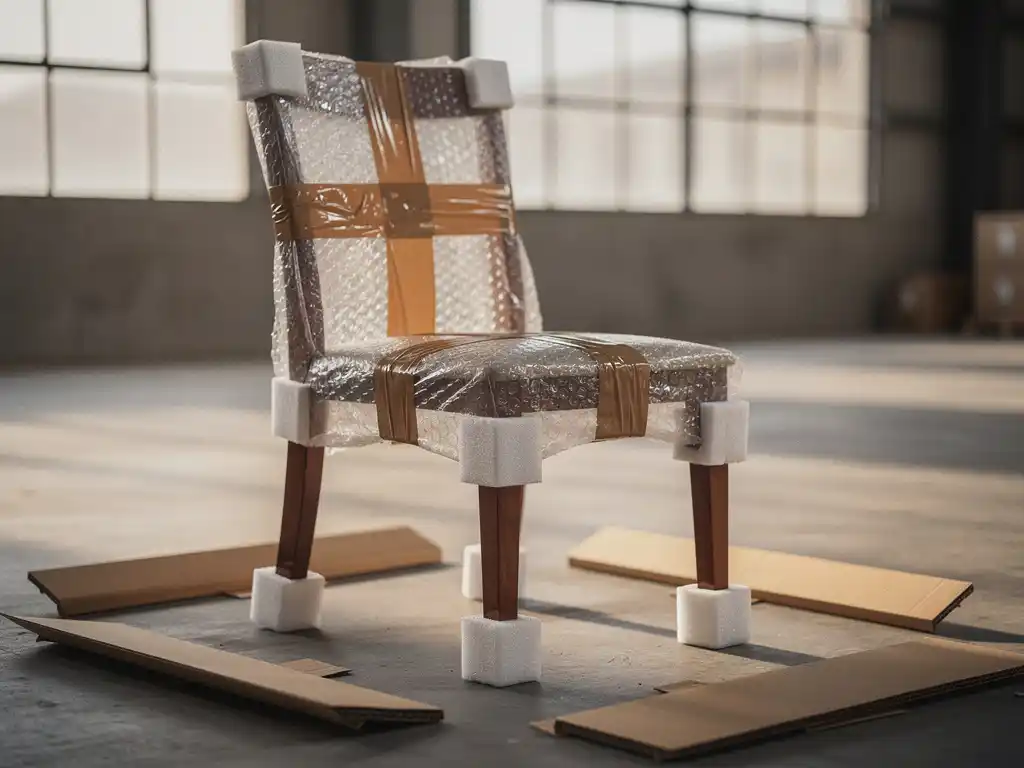
Protective wrapping materials form the first line of defense, with stretch film and plastic sheeting preventing moisture damage and surface scratches. Bubble wrap provides excellent cushioning for delicate components, while moving blankets offer padded protection for larger surfaces. Corner protectors, made from cardboard or foam, shield vulnerable edges from impact damage.
Structural packaging includes corrugated cardboard for lightweight protection and wooden crates for heavy or high-value pieces. Void-fill materials like foam peanuts or air pillows prevent movement within packaging, while strapping and tape secure everything in place. Each material serves specific protective functions that combine to create comprehensive furniture shipping solutions.
How do you choose the right packaging material for different furniture pieces?
Choosing the right packaging material depends on the furniture’s weight, fragility, surface finish, and transport distance. Heavy wooden pieces require structural support from cardboard sheets or wooden crates, while delicate items need extensive cushioning with bubble wrap and foam padding.
Consider the furniture’s surface materials when selecting wrapping options. Polished wood and metal surfaces need non-abrasive coverings like moving blankets or soft foam, while fabric upholstery benefits from plastic sheeting to prevent moisture and staining. Glass components always require specialized packaging with rigid backing and extensive cushioning.
Transport duration and handling frequency also influence material selection. Long-distance shipments need more robust protection than local deliveries, while pieces requiring multiple transfers benefit from reinforced corner protection and additional strapping. High-value antiques or custom pieces justify premium packaging materials like wooden crates and professional-grade cushioning systems.
What protective wrapping materials work best for furniture surfaces?
The best protective wrapping materials for furniture surfaces are moving blankets for general protection, stretch film for moisture barriers, and furniture pads for delicate finishes. These materials prevent scratches, dents, and environmental damage while remaining cost-effective for various furniture types.
Moving blankets provide excellent all-around protection with their thick, padded construction that absorbs impacts and prevents surface scratches. They work particularly well for wooden furniture, upholstered pieces, and large appliances. The blankets conform to furniture shapes and can be secured with tape or strapping without leaving residue.
Stretch film creates effective moisture barriers and keeps other protective materials in place. Applied over moving blankets or directly to plastic surfaces, it prevents water damage and dust accumulation during transport. For high-gloss finishes, specialized furniture films with low-adhesive properties protect without leaving marks or residue when removed.
Which cushioning materials prevent furniture damage during transport?
Bubble wrap, foam padding, and air-filled cushions are the most effective cushioning materials for preventing furniture damage during transport. These materials absorb shocks, fill voids, and create protective barriers that prevent movement and impact damage within packaging.
Bubble wrap excels at protecting irregular shapes and delicate components like hardware, glass panels, and decorative elements. Large-bubble wrap provides better cushioning for bigger surfaces, while small-bubble wrap conforms better to detailed areas. Foam padding offers superior protection for edges and corners and is available in various densities to match specific protection needs.
Air-filled cushions and inflatable packaging provide excellent void fill while remaining lightweight and cost-effective. These materials expand to fill empty spaces, preventing furniture from shifting during transport. For heavy pieces, high-density foam blocks provide structural support while absorbing vibrations and impacts that could cause internal damage.
How do cardboard and wooden packaging protect furniture during shipping?
Cardboard and wooden packaging protect furniture during shipping by providing structural support, impact resistance, and stackability for safe transport and storage. Cardboard offers lightweight, cost-effective protection for most furniture pieces, while wooden crates provide maximum security for valuable or fragile items.
Corrugated cardboard sheets and custom boxes distribute weight evenly and protect against punctures and crushing forces. Edge protectors made from cardboard reinforce vulnerable corners and prevent strap damage during securing. Cardboard’s flexibility allows for custom-shaped protection that conforms to unique furniture profiles while maintaining structural integrity.
Wooden crates offer superior protection for high-value pieces, antiques, and internationally shipped furniture. Their rigid construction prevents crushing and provides excellent stackability for efficient transport. Wooden packaging also offers better security against theft and tampering, making it ideal for valuable shipments requiring maximum protection throughout the logistics chain.
What specialized packaging is needed for glass and delicate furniture components?
Glass and delicate furniture components require specialized packaging, including rigid backing boards, extensive cushioning, clearly marked fragile labels, and often custom-built crates. This combination prevents breakage from impacts, vibrations, and pressure changes during transport.
Glass panels need rigid backing support from plywood or heavy cardboard to prevent flexing and stress fractures. Multiple layers of bubble wrap and foam padding create shock-absorbing barriers, while corner protectors prevent impact damage at vulnerable points. Glass components should never touch each other or hard surfaces within packaging.
Delicate decorative elements like carved details, inlays, or hardware require individual wrapping and secure positioning to prevent movement. Soft foam inserts custom-cut to component shapes provide the best protection, while clear labeling ensures careful handling throughout the transport process. Temperature-sensitive finishes may require climate-controlled packaging to prevent cracking or warping.
How Jan Krediet Helps with Furniture Transport Packaging
We specialize in comprehensive furniture transport packaging solutions that ensure your valuable pieces arrive safely at their destination. Our expertise in project logistics means we understand the unique packaging requirements for different furniture types and transport scenarios.
Our packaging services include:
- Custom packaging design for unique or high-value furniture pieces
- Professional-grade material selection based on transport requirements
- On-site packaging and preparation services
- Climate-controlled storage and handling for sensitive items
- International shipping compliance and documentation
With over 200 logistics professionals and extensive experience in furniture transport across 150+ locations worldwide, we provide the expertise and materials needed to protect your furniture investment. Contact us today to discuss your furniture transport packaging needs and discover how our comprehensive solutions can ensure safe, efficient delivery of your valuable pieces.