




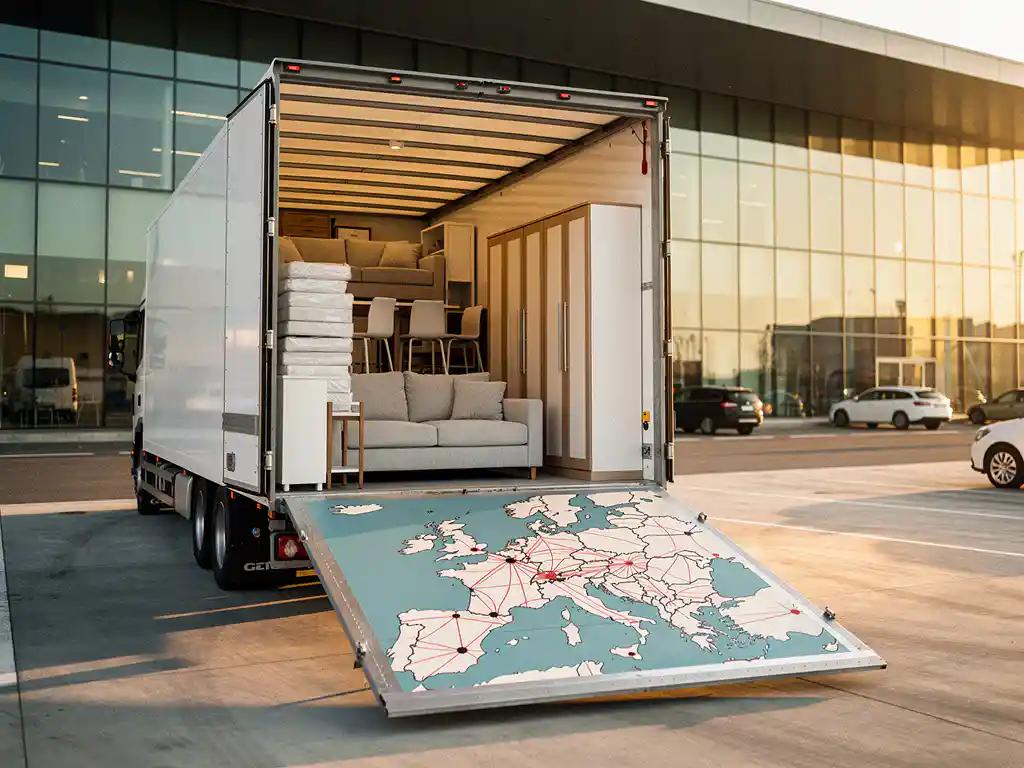
Planning Europe-wide furniture transport requires careful coordination across multiple countries, each with unique regulations, logistics networks, and delivery requirements. Unlike domestic shipping, Europe-wide furniture transport involves navigating complex customs procedures, coordinating with international partners, and managing extended supply chains that span diverse markets and time zones.
Successful Europe-wide furniture logistics planning combines strategic route optimization, proper documentation management, and reliable network partnerships to ensure timely delivery while minimizing costs. Understanding these complexities is essential for furniture retailers, manufacturers, and distributors looking to expand their reach across European markets.
What makes Europe-wide furniture transport different from domestic shipping?
Europe-wide furniture transport involves multiple regulatory frameworks, customs procedures, and cross-border documentation requirements that domestic shipping does not face. Each European country maintains specific import regulations, delivery standards, and logistics infrastructure that must be navigated simultaneously.
The primary differences include customs clearance procedures at each border crossing, varying VAT requirements across EU member states, and the need for multilingual documentation. Transit times can increase significantly due to border controls, mandatory rest periods for drivers under EU regulations, and the coordination required between multiple logistics providers in different countries.
Currency fluctuations also affect pricing strategies, while different consumer protection laws influence delivery terms and return procedures. Weather patterns across Europe’s diverse climates can disrupt schedules, requiring flexible contingency planning that domestic routes rarely demand.
How do you choose the right logistics network for Europe-wide furniture delivery?
Selecting the right logistics network requires evaluating providers with established European partnerships, comprehensive coverage across target markets, and proven expertise in furniture handling and cross-border operations.
Key evaluation criteria include network density across European countries, with particular attention to last-mile delivery capabilities in both urban and rural areas. The ideal partner should offer integrated warehousing facilities strategically located near major population centers and transportation hubs, enabling efficient consolidation and distribution.
Technology integration is crucial for tracking shipments across borders and providing real-time visibility to customers. Look for networks that offer unified tracking systems, automated customs documentation, and seamless communication between regional partners. Experience with furniture-specific requirements such as white-glove delivery, assembly services, and damage-prevention protocols should guide the selection process.
What are the key planning stages for cross-border furniture transport?
Cross-border furniture transport planning involves four critical stages: market analysis and route planning, documentation preparation, logistics coordination, and delivery execution with contingency management.
The initial market analysis stage requires understanding destination-country regulations, delivery preferences, and seasonal demand patterns. This includes researching local furniture standards, packaging requirements, and consumer expectations for delivery timeframes and services.
Documentation preparation follows, encompassing customs declarations, commercial invoices, certificates of origin, and any product-specific certifications required by destination countries. Route planning considers optimal transportation corridors, warehouse locations for consolidation, and backup routes for potential disruptions.
The coordination phase involves scheduling with multiple logistics partners, arranging warehouse space, and establishing communication protocols. Final execution requires real-time monitoring, customer communication, and rapid response capabilities to address unexpected delays or issues.
How do you optimize routes and consolidate shipments across Europe?
Route optimization for Europe-wide furniture transport focuses on consolidating shipments through strategic hub locations, utilizing multimodal transportation, and leveraging technology for dynamic route planning based on real-time conditions.
Effective consolidation strategies involve establishing regional distribution centers in key locations such as the Netherlands, Germany, and Poland, which serve as collection points for multiple destinations. This approach reduces individual shipping costs while maintaining delivery speed through coordinated scheduling.
Multimodal transportation combines road, rail, and sea freight to optimize both cost and environmental impact. Rail connections between major European cities offer reliable, cost-effective transport over longer distances, while road transport provides flexibility for final delivery segments.
Advanced routing software considers factors including traffic patterns, border-crossing wait times, driver-hours regulations, and fuel costs to identify optimal paths. Dynamic rerouting capabilities allow for real-time adjustments based on weather, traffic, or customs delays.
What customs and documentation requirements affect Europe-wide furniture transport?
Europe-wide furniture transport requires comprehensive customs documentation, including commercial invoices, packing lists, certificates of origin, and product-compliance certificates, with specific requirements varying between EU and non-EU destinations.
Within the EU, furniture shipments benefit from simplified customs procedures, though VAT registration and reporting requirements still apply. Products must comply with CE-marking standards for safety and environmental regulations, particularly for items containing chemicals or electrical components.
Non-EU destinations require additional documentation, including detailed product descriptions, material-composition certificates, and, in some cases, fumigation certificates for wooden furniture. Import duties and taxes vary significantly between countries, requiring accurate classification under the Harmonized System codes.
Digital customs platforms increasingly streamline the documentation process, enabling electronic submission and tracking of customs-clearance status. Proper preparation of these documents prevents costly delays at border crossings and ensures smooth delivery to end customers.
How do you handle furniture installation and final delivery coordination?
Furniture installation and final delivery coordination require partnering with local service providers, scheduling flexibility, and clear communication protocols to ensure successful completion of the logistics chain from warehouse to customer location.
Successful coordination begins with establishing partnerships with qualified installation teams in each target market who understand local building codes, consumer preferences, and service standards. These partners should offer flexible scheduling to accommodate customer availability and provide multilingual customer-service capabilities.
Pre-delivery communication includes confirming delivery addresses, access requirements, and any special installation needs. Coordination systems should track inventory from warehouse to final installation, providing customers with accurate delivery windows and real-time updates.
Quality-control measures ensure installation teams follow brand standards and customer-satisfaction protocols. This includes providing proper tools, protective equipment, and cleanup services, while maintaining feedback systems for continuous improvement of the delivery experience.
How Jan Krediet helps with Europe-wide furniture transport
We specialize in comprehensive Europe-wide furniture logistics through our extensive project logistics capabilities, offering complete supply chain solutions from warehousing to final installation across more than 150 locations worldwide. Our services include:
- Strategic warehousing across Europe with over 60,000 square meters of storage space
- Customs clearance and documentation management for seamless cross-border transport
- Specialized furniture handling, assembly, and white-glove delivery services
- Real-time tracking and coordination through our integrated logistics network
- Local installation partnerships ensuring consistent service quality across European markets
As part of the global Mach 3000 furniture logistics network and Logistics Plus, we combine nearly 100 years of logistics expertise with cutting-edge technology and international reach. Our team of more than 200 logistics professionals ensures your Europe-wide furniture transport projects are executed efficiently and reliably. Ready to optimize your European furniture distribution strategy? Contact us to discuss your specific logistics requirements and discover how we can streamline your cross-border furniture operations.