




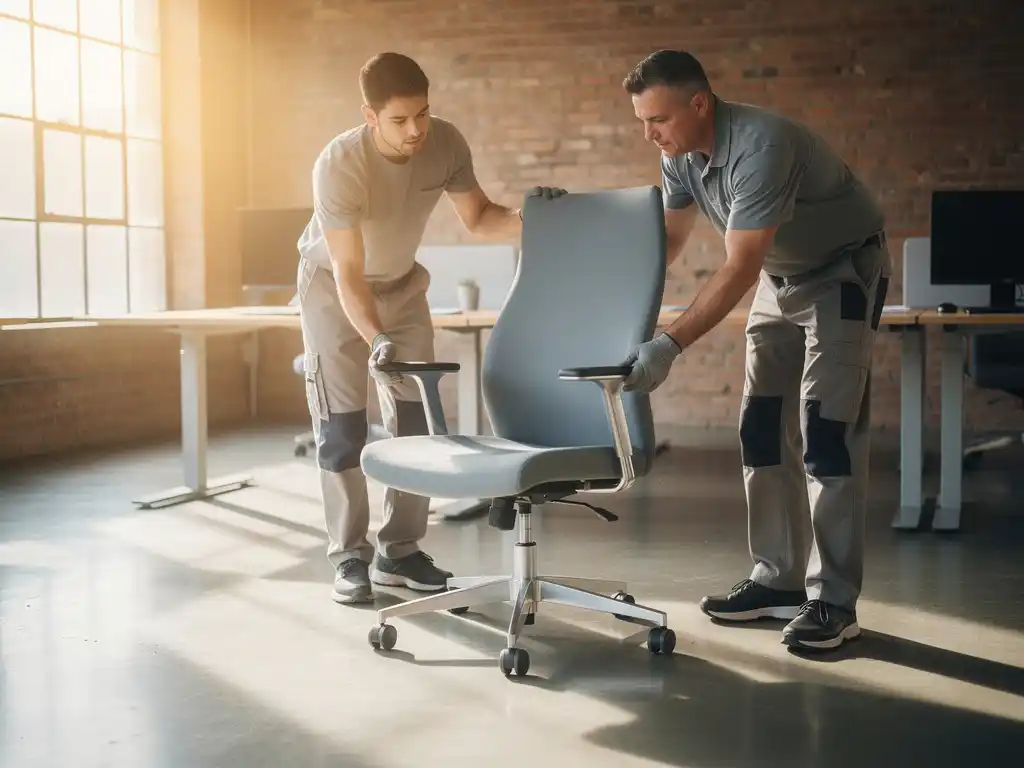
Starting a business comes with countless decisions, and one area that often gets overlooked is furniture logistics. While many start-ups focus on product development and marketing, setting up the physical workspace can become a significant challenge. Project-based furniture delivery offers an alternative approach that could transform how emerging companies handle office setup and expansion.
For start-ups operating with limited resources and tight timelines, traditional furniture procurement and delivery methods often fall short. The complexity of coordinating multiple vendors, managing installation schedules, and ensuring everything arrives on time can drain valuable time and energy from core business activities.
What is project-based furniture delivery, and how does it work?
Project-based furniture delivery is a comprehensive service that manages the entire furniture logistics process for specific projects, from initial planning to final installation. Unlike standard delivery services that simply transport items, this approach treats furniture setup as a complete project, with dedicated coordination, timeline management, and on-site execution.
The process typically begins with detailed project planning, during which logistics specialists assess the space, create delivery schedules, and coordinate with multiple suppliers. Professional teams handle everything from warehousing and inventory management to assembly and installation. This includes managing complex logistics such as elevator reservations and parking permits, as well as coordinating with building management to ensure smooth execution.
Advanced project delivery services also provide real-time tracking, allowing businesses to monitor progress throughout the entire process. The service extends beyond simple delivery to include space-planning consultation, ensuring furniture placement optimizes workflow and meets specific business requirements.
Why should start-ups consider project-based furniture delivery?
Start-ups benefit from project-based furniture delivery because it eliminates the complexity of managing multiple vendors while providing cost-effective solutions for rapid scaling. This approach allows founding teams to focus on core business development rather than logistics coordination.
Time efficiency is one of the most significant advantages. Traditional furniture procurement often involves weeks of coordination among different suppliers, delivery companies, and installation teams. Project-based delivery consolidates these services, reducing setup time from weeks to days. This speed becomes crucial when start-ups need to establish new locations quickly or accommodate rapid team growth.
Cost predictability also makes this approach attractive for budget-conscious start-ups. Rather than dealing with unexpected charges from multiple vendors, project-based pricing provides clear, upfront costs. This transparency supports financial planning and helps prevent budget overruns that could affect other critical business areas.
The professional expertise included in these services often results in better space utilization and furniture placement. Many start-ups lack experience in office design and layout optimization, leading to inefficient workspace arrangements that can reduce productivity. Professional project teams bring this expertise as part of their service.
How much does project-based furniture delivery cost for start-ups?
Project-based furniture delivery costs for start-ups typically range from 15% to 25% of the total furniture value, depending on project complexity and service scope. This pricing structure often provides better value than managing individual vendors separately.
Several factors influence pricing for project delivery services. Project size and complexity play major roles, with larger installations often benefiting from economies of scale. Geographic location affects costs, particularly for projects in urban areas where parking and building access present challenges. Timeline requirements also affect pricing, with expedited projects carrying premium charges.
Service scope significantly affects total costs. Basic delivery and assembly services cost less than comprehensive packages that include space planning, furniture selection assistance, and ongoing support. Many providers offer tiered service levels, allowing start-ups to choose options that match their budget and requirements.
When comparing costs, start-ups should consider the hidden expenses of managing furniture logistics internally. These include staff time spent on coordination, potential delays that disrupt operations, and costs associated with mistakes or damage during self-managed installations. Professional project delivery often provides better overall value when these factors are considered.
What types of furniture projects can start-ups outsource?
Start-ups can outsource virtually any furniture-related project, from initial office setup and workspace expansions to specialized installations such as conference rooms and collaborative spaces. The scope ranges from small team additions to complete facility buildouts.
Office establishment projects are the most commonly outsourced furniture logistics projects for start-ups. These include complete workspace setup with desks, chairs, storage solutions, and common-area furnishings. Many start-ups also outsource conference room installations, which often require specialized furniture and technology integration.
Expansion projects become increasingly important as start-ups grow. Rather than disrupting existing operations, professional teams can manage workspace additions, floor plan reconfigurations, and department relocations. This includes coordinating furniture removal, storage, and reinstallation as business needs evolve.
Specialized installations offer another outsourcing opportunity. Start-ups in creative industries might require custom display systems or presentation areas. Technology companies often need specialized workstations for development teams. Healthcare and laboratory start-ups require furniture that meets specific regulatory requirements.
Temporary or event-based furniture needs also benefit from professional project logistics. This includes trade show setups, pop-up offices, or temporary expansion space during peak periods. Professional teams can manage these short-term requirements without burdening internal resources.
How do you choose the right project delivery partner for your start-up?
Choose a project delivery partner based on their experience with start-up environments, service flexibility, and ability to scale with your business growth. The right partner should understand the unique challenges and budget constraints that emerging companies face.
Experience with similar projects provides crucial insight into partner selection. Look for providers who have successfully managed start-up office setups and understand the rapid pace of change in emerging businesses. Ask for case studies or references from companies in similar industries or at similar growth stages.
Service flexibility is essential for start-ups whose needs change rapidly. The ideal partner should offer scalable solutions that can accommodate everything from small team additions to major expansions. This includes flexible pricing models and the ability to adjust project scope as requirements evolve.
Geographic coverage matters for start-ups planning expansion. Partners with broad service areas or international capabilities can support growth into new markets. This continuity becomes valuable as companies scale beyond their initial location.
Technology integration and project management capabilities distinguish professional providers. Look for partners who offer real-time project tracking, digital communication tools, and detailed project documentation. These capabilities provide transparency and help start-ups maintain control over their furniture logistics.
How Jan Krediet helps with project-based furniture delivery
We specialize in comprehensive project logistics solutions that address the unique challenges start-ups face when establishing and expanding their workspaces. Our approach combines decades of furniture logistics expertise with flexible service models designed for rapidly growing businesses.
Our project delivery services include:
- Complete project planning and coordination from initial assessment to final installation
- Flexible warehousing solutions that accommodate changing timelines and requirements
- Professional assembly and installation teams experienced with office environments
- Real-time project tracking and communication throughout the entire process
- International capabilities for start-ups expanding across multiple locations
As part of the global Logistics Plus network, we provide start-ups with access to international expertise and innovative solutions that scale with business growth. Our project teams understand the urgency and budget considerations that drive start-up decisions, delivering efficient solutions that support business objectives rather than creating additional complexity.
Ready to streamline your furniture logistics and focus on growing your business? Contact us to discuss how our project delivery services can support your start-up’s workspace needs.