




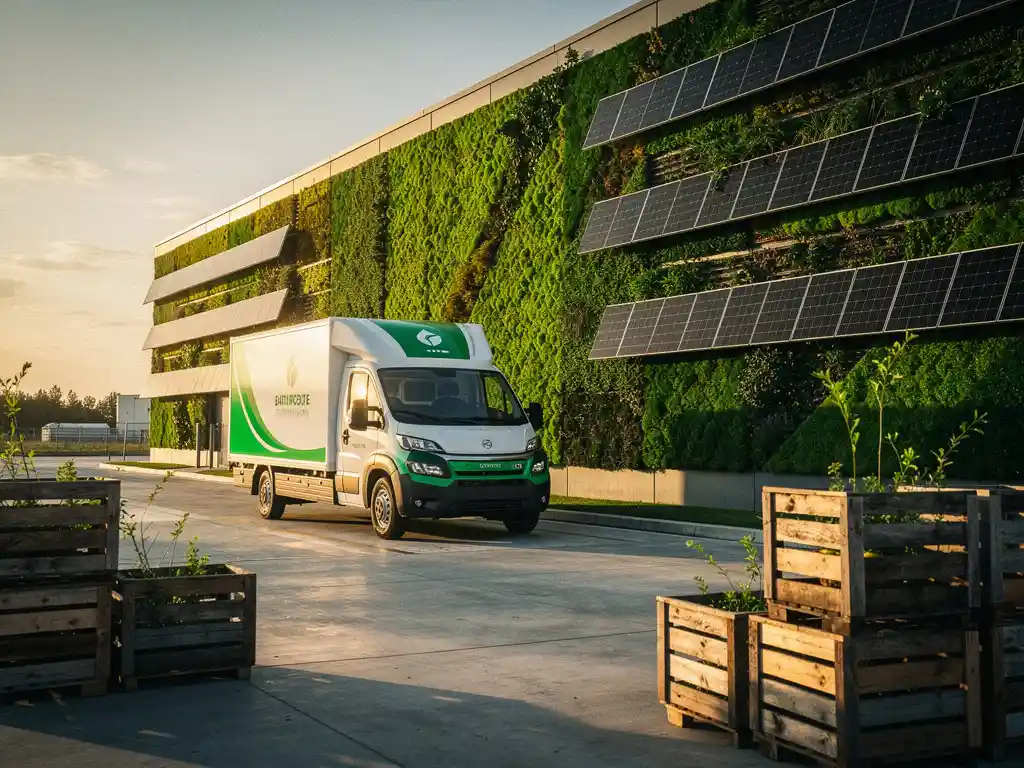
The logistics industry is experiencing a fundamental shift as environmental concerns reshape business priorities and customer expectations. Sustainability in project logistics has evolved from a nice-to-have initiative to a critical business requirement that affects everything from cost management to competitive positioning. As global supply chains face increasing scrutiny over their environmental impact, logistics providers must adapt their operations to meet new standards while maintaining efficiency and profitability.
This transformation touches every aspect of project logistics, from transportation methods and warehousing practices to packaging choices and route optimization. Companies that embrace sustainable practices are discovering that environmental responsibility often aligns with operational efficiency, creating opportunities for cost reduction and improved service delivery.
What is sustainability in project logistics?
Sustainability in project logistics refers to managing complex, time-sensitive logistics operations while minimizing environmental impact through efficient resource use, reduced emissions, and circular economy principles. This approach integrates environmental considerations into every stage of project planning, execution, and delivery without compromising service quality or timeline requirements.
Sustainable project logistics encompasses multiple dimensions of environmental responsibility. Transportation optimization reduces fuel consumption through route planning, load consolidation, and modal shift strategies that favor rail or sea transport over road freight where feasible. Green warehousing practices include energy-efficient lighting systems, renewable energy sources, and waste reduction programs that minimize the environmental footprint of storage operations.
Packaging sustainability plays a crucial role in project logistics, particularly for furniture and equipment installations. This involves using recyclable materials, reducing packaging volume, and implementing returnable packaging systems that eliminate waste. Supply chain transparency ensures that sustainability standards extend to all partners and suppliers, creating accountability throughout the entire logistics network.
Why has environmental pressure increased on logistics companies?
Environmental pressure on logistics companies has intensified due to stricter government regulations, corporate sustainability mandates, and growing consumer awareness of climate change impacts. The European Union’s Green Deal and carbon pricing mechanisms have created legal requirements for emissions reporting and reduction, while major corporations now require their logistics partners to meet specific environmental standards.
Regulatory frameworks across Europe are becoming increasingly demanding. The EU’s Corporate Sustainability Reporting Directive requires companies to disclose detailed environmental data, including Scope 3 emissions from logistics activities. Carbon pricing systems make emissions costly, creating direct financial incentives for sustainable practices. Additionally, urban areas are implementing low-emission zones that restrict access for high-polluting vehicles, forcing logistics companies to invest in cleaner transportation options.
Consumer expectations have also shifted dramatically. B2B clients now evaluate logistics partners based on their environmental credentials, often making sustainability a key factor in procurement decisions. This trend is particularly pronounced in the furniture and office equipment sectors, where end customers increasingly demand proof of sustainable delivery practices. Social media and corporate transparency initiatives have made environmental performance highly visible, creating reputational risks for companies that fail to meet sustainability expectations.
What are the business benefits of sustainable project logistics?
Sustainable project logistics delivers measurable business benefits, including reduced operational costs, enhanced customer relationships, improved risk management, and access to new market opportunities. Companies implementing green logistics practices typically see 10-20% reductions in fuel costs through route optimization and load consolidation, while also strengthening their competitive position in environmentally conscious markets.
Cost savings emerge from multiple sources in sustainable logistics operations. Fuel efficiency improvements through route optimization and vehicle maintenance reduce direct transportation costs. Waste reduction programs lower disposal fees and material costs. Energy-efficient warehousing systems decrease utility expenses. These operational improvements often pay for themselves within 12-24 months while providing ongoing savings.
Customer retention and acquisition benefits are equally significant. Many large corporations now require their logistics partners to meet specific environmental standards, making sustainability a prerequisite for contract eligibility. Companies with strong environmental credentials often command premium pricing for their services. Additionally, sustainable practices reduce regulatory compliance risks and potential penalties, providing long-term business stability.
How do companies implement sustainable practices in project logistics?
Companies implement sustainable practices in project logistics through systematic approaches, including transportation optimization, green warehousing, sustainable packaging, and supply chain partner requirements. Successful implementation typically begins with baseline measurements of current environmental impact, followed by targeted improvements in high-impact areas such as fuel consumption and waste generation.
Transportation sustainability focuses on several key strategies. Route optimization software reduces unnecessary mileage and improves delivery efficiency. Load consolidation maximizes vehicle utilization, reducing the number of trips required. Modal shift strategies use rail or sea transport for long-distance movements, reserving road transport for final-mile delivery. Fleet modernization introduces electric or hybrid vehicles for urban deliveries and low-emission zones.
Warehousing improvements include LED lighting systems, solar panel installations, and smart climate control systems that reduce energy consumption. Waste management programs implement recycling systems and returnable packaging options. Digital documentation reduces paper consumption while improving tracking accuracy. Many companies also establish environmental management systems certified to ISO 14001 standards, providing structured frameworks for continuous improvement.
What challenges do logistics providers face when going green?
Logistics providers face significant challenges when implementing sustainable practices, including high upfront investment costs, technology integration complexity, limited infrastructure for alternative fuels, and the need to balance environmental goals with service quality requirements. These challenges often require phased implementation approaches and strategic partnerships to overcome successfully.
Financial barriers represent the most immediate challenge for many logistics companies. Electric vehicle fleets require substantial capital investment, while charging infrastructure adds additional costs. Warehouse sustainability improvements such as solar installations or LED retrofits demand significant upfront spending. Smaller logistics providers may struggle to access the capital needed for these investments, creating competitive disadvantages.
Infrastructure limitations particularly affect transportation sustainability. Charging stations for electric vehicles remain sparse in many regions, limiting route options. Alternative fuel availability varies significantly across different markets. Additionally, customer requirements sometimes conflict with sustainability goals, such as urgent delivery requests that prevent load consolidation or route optimization. Balancing environmental objectives with service quality demands requires careful planning and clear communication with clients about the benefits of sustainability.
How Jan Krediet helps with sustainable project logistics
At Jan Krediet, we integrate sustainability into our project logistics solutions through comprehensive environmental management and innovative practices that reduce our carbon footprint while maintaining exceptional service quality. Our approach combines advanced route optimization, sustainable warehousing practices, and circular economy principles to deliver environmentally responsible logistics solutions for complex projects worldwide.
Our sustainable project logistics services include:
- Route optimization technology that reduces fuel consumption by up to 20% through intelligent planning
- Consolidated shipping strategies that maximize load efficiency and minimize transportation emissions
- Green warehousing facilities with energy-efficient systems and waste reduction programs
- Sustainable packaging solutions using recyclable materials and returnable systems
- Carbon footprint reporting and offset programs for environmentally conscious clients
- Partnerships with local suppliers to reduce transportation distances and support the circular economy
As part of the global Logistics Plus network, we leverage international expertise and innovative technologies to deliver sustainable logistics solutions across more than 150 locations worldwide. Our experienced project teams work closely with clients to balance environmental objectives with project requirements, ensuring successful outcomes that meet both sustainability goals and operational demands. Ready to make your next project more sustainable? Contact us to discuss how we can optimize your project logistics while reducing environmental impact.