




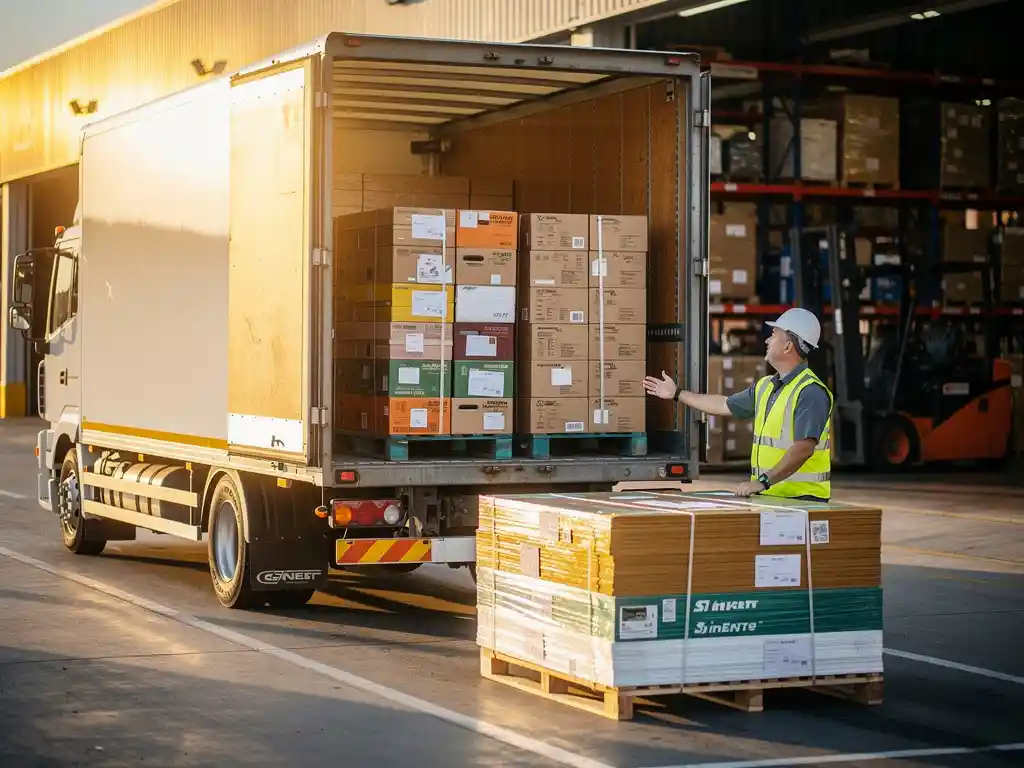
Coordinating a multi-brand furniture delivery is one of the more demanding tasks in furniture logistics. You are not just moving boxes from A to B. You are synchronising production schedules, warehouse operations, and last-mile delivery windows across several suppliers, all while making sure the right pieces arrive at the right location in perfect condition. When it goes wrong, you end up with incomplete rooms, frustrated clients, and costly return trips.
This guide walks you through exactly how to consolidate furniture brands into a single, efficient delivery. Follow each step in order and you will reduce handling errors, cut unnecessary transport costs, and deliver a professional result your client will notice.
What you need before consolidating furniture deliveries
Before any goods move, you need a clear picture of what you are working with. Attempting to consolidate without complete information is the fastest route to delays and missing items on delivery day.
Gather the following before you start planning:
- A confirmed purchase order or project specification listing every brand, product reference, and quantity
- Confirmed lead times and ready-to-ship dates from each supplier or brand
- Delivery address details including access restrictions, floor levels, and available unloading windows
- Packaging specifications per brand, including dimensions, weight, and any fragility or stacking restrictions
- Contact names at each supplier who can confirm dispatch and handle last-minute changes
- A designated consolidation hub address with confirmed intake capacity and dates
With this information in hand, you have a working foundation. If any of these elements are missing, resolve them now. A gap in supplier lead times or an unclear delivery address will cause problems at every subsequent step.
Map delivery destinations and align brand timelines
Create a consolidated timeline that maps every brand’s ready-to-ship date against your target delivery window. This is the step where most consolidation projects either succeed or fall apart. If one brand is running two weeks behind the others, you have a decision to make: hold the complete shipment, or plan a partial delivery and return visit.
- List each brand alongside its confirmed dispatch date and estimated transit time to your consolidation hub.
- Identify the latest arrival date at the hub that still allows you to meet the final delivery deadline.
- Flag any brand whose timeline falls outside that window and contact the supplier immediately to explore options.
- Build a two to three day buffer between the last expected hub arrival and the scheduled delivery date to absorb minor delays.
Once your timeline is mapped, share it with all suppliers and confirm that each one has acknowledged their dispatch deadline in writing. You should now have a clear picture of when goods will arrive at the hub and whether your delivery date is realistic. If the timeline does not work, adjust the delivery date now rather than on the morning of the move.
Stage and inspect goods at the consolidation hub
Receive each brand’s shipment at the consolidation warehouse and process it systematically. Do not allow goods to sit unprocessed on a loading dock. Every item that enters the hub should be checked, labelled, and staged in a designated area for its delivery destination.
- Check each delivery against the purchase order line by line, confirming product references, quantities, and colours.
- Inspect packaging for visible damage and photograph any issues before signing the delivery note.
- Label every item with the delivery destination, room reference, and brand identifier so the loading team can work without ambiguity.
- Group items by delivery destination rather than by brand. This is the key staging logic for a consolidated delivery.
- Record any shortages, damages, or substitutions and notify the relevant supplier immediately so replacements can be arranged before delivery day.
After staging, you should be able to walk the hub and see a clear physical grouping of everything destined for each location. If an item cannot be accounted for, resolve it now. Discovering a missing piece on the delivery vehicle is far more disruptive and expensive than resolving it at the hub.
Plan the load and optimise the delivery route
With goods staged and verified, plan how the vehicle will be loaded and in what order stops will be made. Load planning for a multi-brand furniture delivery follows a last-in, first-out principle: the items for your final destination go in first, and the items for your first stop go in last.
- Sequence your delivery stops by geography to minimise total drive time, but always cross-check against access window constraints at each location.
- Build the load plan in reverse stop order, noting which items go against the bulkhead and which can be stacked safely.
- Apply brand-specific stacking and fragility rules. If one brand prohibits stacking, that product needs floor space regardless of where it sits in the stop sequence.
- Confirm that the vehicle’s payload and volume capacity cover the full consolidated load, including blankets, straps, and any assembly tools travelling with the crew.
- Share the load plan and stop sequence with the delivery team the day before so they can ask questions before the vehicle is loaded.
A well-planned load means your delivery crew spends time placing furniture rather than searching for it. Verify the plan by walking through it verbally with the team lead: if they can describe what comes off the vehicle at each stop without referring to notes, the plan is clear enough.
Execute the delivery and confirm receipt per brand
On delivery day, work through each stop methodically. The goal is not just to offload goods but to confirm, room by room, that every brand’s items have been delivered in full and in acceptable condition.
- Arrive within the confirmed access window and introduce the crew to the site contact before unloading begins.
- Offload items in the sequence defined by the load plan and move them directly to their designated rooms rather than staging everything in a single area.
- Complete any agreed assembly or installation before asking the client to sign off on that brand’s items.
- Walk through each brand’s delivery checklist with the site contact and obtain a signed confirmation noting any visible damage or missing items.
- Photograph completed room placements as a delivery record, particularly for high-value pieces or complex installations.
Collecting a signed confirmation per brand at the point of delivery is important. It creates a clear record for each supplier and protects all parties if a dispute arises later. Once every stop is completed and documented, the consolidated delivery is formally closed.
Resolve common consolidation issues before they escalate
Even well-planned consolidated deliveries encounter problems. The difference between a minor inconvenience and a serious disruption is usually how quickly the issue is identified and how prepared the team is to respond. Below are the most frequent issues and how to handle them.
A brand’s goods arrive at the hub late
Contact the supplier as soon as the delay is confirmed and establish a revised dispatch date. If the delay pushes goods past your buffer window, assess whether the delivery should proceed without that brand or be rescheduled entirely. Communicate the situation to the client before delivery day, not on it. Clients can usually accommodate a revised plan. They cannot easily accommodate a surprise on the morning of a scheduled installation.
Damage is discovered during hub intake
Document the damage with photographs and notify the supplier immediately. Request a replacement or credit note and confirm whether the damaged item can be repaired or if it must be reordered. Do not deliver a damaged item without first discussing options with the client. Delivering something visibly damaged without disclosure damages trust far more than a short delay.
A delivery window is refused or missed on the day
If a site contact is unavailable or access is denied on arrival, do not attempt to leave goods in an unsecured area. Return the items to the vehicle and contact the client to reschedule. Record the failed attempt with a time-stamped note and photograph of the location. This protects you if the client later disputes the delivery attempt.
For complex, multi-location consolidated projects, having an experienced logistics partner makes a measurable difference. Our project logistics team manages exactly these kinds of challenges across more than 150 locations worldwide, coordinating multiple brands, suppliers, and delivery windows into a single, seamless operation. Whether you are furnishing a hotel, a corporate headquarters, or a healthcare facility, the process above gives you a reliable framework to follow and a team to call when the scale of the project demands specialist support.