




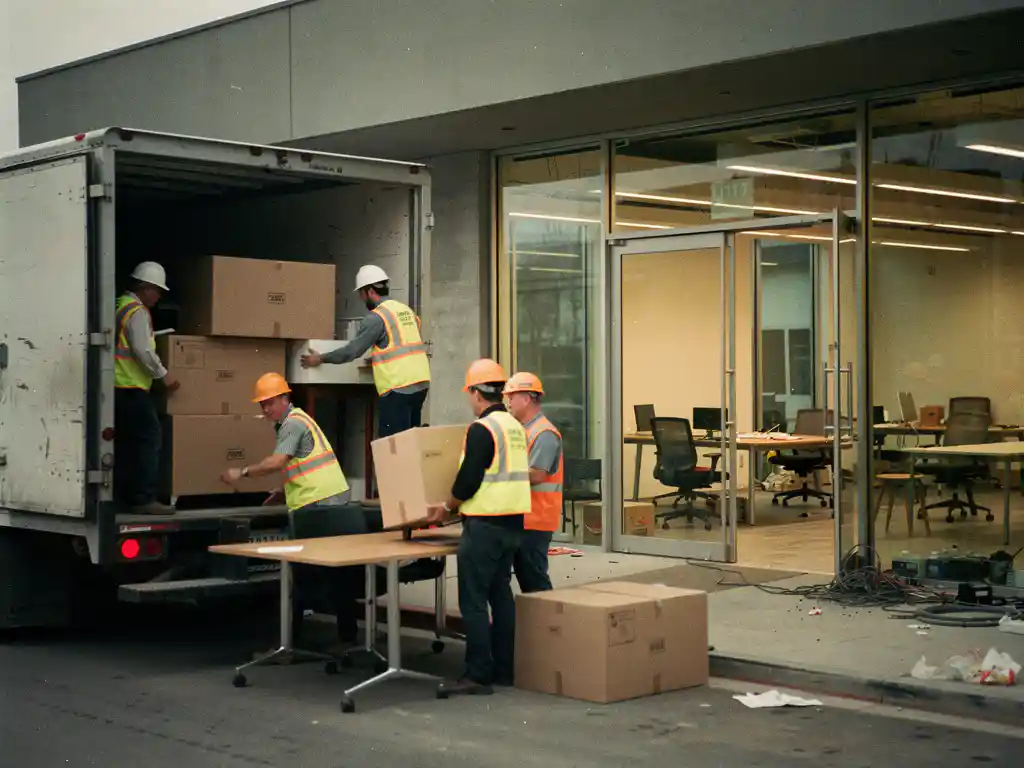
Combined deliveries on projects take more time than expected because they depend on multiple moving parts arriving in the right sequence, at the right location, at exactly the right moment. Unlike a single delivery to a home or warehouse, project logistics involves coordinating suppliers, trades, site conditions, and installation teams simultaneously. The sections below unpack the most common reasons for delays and what can be done to prevent them.
What makes combined deliveries more complex than single deliveries?
Combined deliveries are more complex than single deliveries because they require the simultaneous coordination of multiple suppliers, delivery windows, and on-site conditions rather than a straightforward point-to-point handoff. When even one element in that chain runs late or arrives out of sequence, the entire delivery schedule can be disrupted. The complexity grows proportionally with the number of parties involved.
A single delivery has one origin, one destination, and one responsible party. A combined delivery for a project installation might involve furniture, kitchen units, lighting fixtures, and flooring materials all needing to arrive within the same timeframe. Each of these items may come from a different supplier, travel via a different route, and require different handling conditions.
There are also physical constraints at the delivery site. Goods lifts, loading docks, and access corridors are shared resources. If two deliveries are scheduled for the same window and only one lift is available, one shipment must wait. Add to this the reality that large projects often span multiple floors or zones, and it becomes clear why delivery times on projects consistently exceed initial estimates.
Why do on-site dependencies cause project delivery delays?
On-site dependencies cause project delivery delays because the readiness of a space directly determines whether goods can be delivered and installed. If a floor is not yet finished, walls are not plastered, or electrical work is incomplete, furniture and fittings cannot be placed even if they arrive on time. Delivery schedules built around an assumed completion date quickly unravel when construction runs behind.
This is one of the most underestimated sources of delay in project logistics. The logistics provider may execute their part perfectly, but if the receiving environment is not ready, goods must be held in storage or rescheduled. Both outcomes cost time and money.
Dependencies also extend to other trades working on site. An installation team fitting office furniture cannot work in a space where electricians are still running cables. A kitchen installation cannot proceed if the plumbing connection points have not been confirmed. These interdependencies create a domino effect where a delay in one trade pushes back every subsequent step, including the final delivery and installation phase.
How does coordinating multiple suppliers affect delivery timelines?
Coordinating multiple suppliers affects delivery timelines because each supplier operates on their own production schedule, lead time, and transport arrangement. When a project requires goods from several different sources, the delivery window is determined by the slowest supplier, not the fastest. Any misalignment between supplier timelines creates gaps or conflicts in the overall project schedule.
Communication is a significant factor here. When suppliers are not informed of each other’s timelines or of the overall project schedule, they make independent decisions about when to ship. This can result in some goods arriving weeks early and sitting in storage while others arrive late, disrupting the planned installation sequence.
There is also the question of accountability. With multiple suppliers involved, it can be unclear who is responsible for coordinating the overall flow of goods. Without a single logistics partner managing the complete picture, important details fall between the cracks. We work with clients to consolidate supplier coordination under one roof, ensuring that all incoming shipments are tracked, sequenced, and aligned with the project timeline before anything leaves a warehouse.
What role does last-mile logistics play in project delivery timing?
Last-mile logistics plays a critical role in project delivery timing because it is the most unpredictable and operationally intensive part of the journey. Getting goods to within a few kilometres of the project site is generally manageable, but the final leg, navigating access restrictions, building schedules, and floor-by-floor delivery, introduces delays that are difficult to forecast in advance.
Urban project sites present particular challenges. Delivery time windows may be restricted by local regulations, loading bays may be shared with other contractors, and large vehicles may not be permitted on certain streets during peak hours. For projects in high-rise buildings, goods may need to be transferred from a large truck to a smaller vehicle or transported via a goods lift with limited capacity.
For furniture transport and similar specialist deliveries, last-mile execution also includes unpacking, positioning, and sometimes assembly. These steps take time and cannot be rushed without risking damage or incorrect placement. Planning the last mile with the same level of detail as the long-haul portion of the journey is essential for keeping project delivery on schedule.
How can better planning reduce combined delivery delays?
Better planning reduces combined delivery delays by identifying dependencies, sequencing deliveries correctly, and building realistic buffers into the project schedule before work begins. The most effective plans are built from data: floor plans, supplier lead times, site access constraints, and installation sequences all need to be mapped before the first delivery is booked.
There are several practical steps that make a measurable difference:
- Pre-project site assessment: Understanding the physical constraints of the delivery location before scheduling begins prevents surprises on delivery day.
- Supplier timeline alignment: Confirming production and dispatch dates from all suppliers early allows the logistics plan to reflect reality rather than assumptions.
- Phased delivery scheduling: Delivering goods in the sequence they will be installed reduces congestion and avoids goods sitting on site before the space is ready.
- Consolidated warehousing: Holding goods at a central warehousing facility until the site is ready ensures that deliveries happen when conditions are right, not simply when goods become available.
- Single point of coordination: Assigning one logistics partner to manage all incoming flows removes the communication gaps that arise when multiple parties coordinate independently.
Our project team works through exactly this process before every engagement. Using data, floor plans, and supplier information, we map the full logistics sequence in advance so that interdependencies are visible and manageable. When unexpected changes do occur, having a detailed plan in place makes it far easier to adapt quickly without losing the thread of the overall project. With experience across more than 150 project locations worldwide, we know that the time invested in thorough planning is always returned in smoother, faster execution on site.