




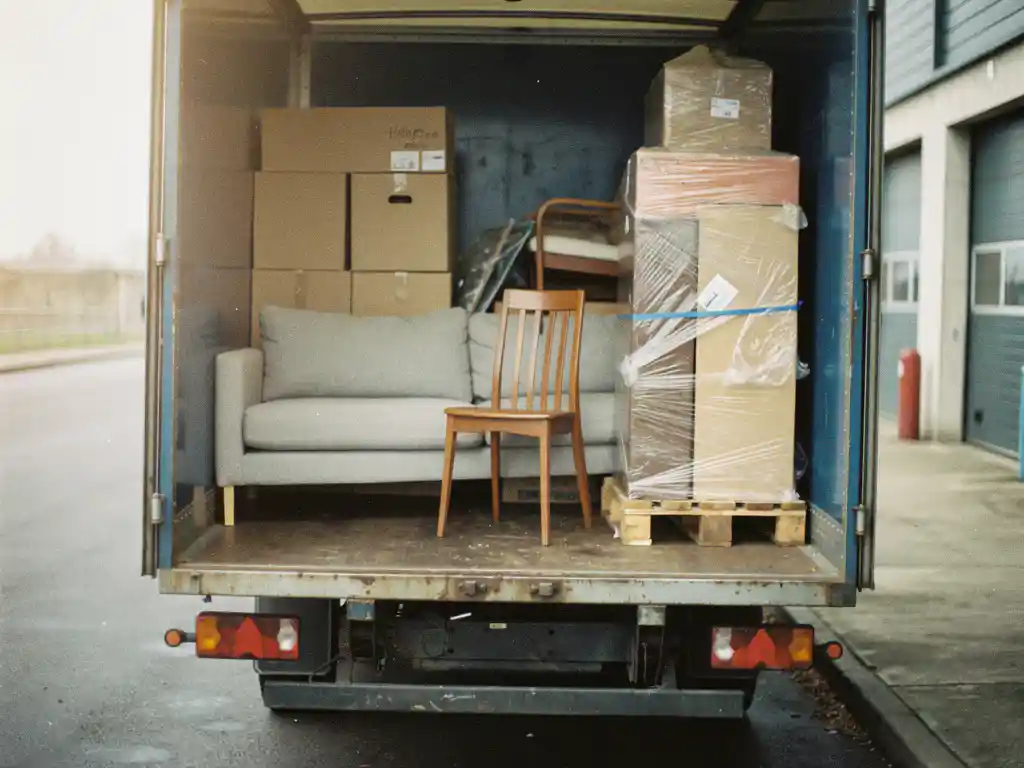
Groupage transport is a smart choice for furniture when your shipment does not fill an entire truck. If you are moving a partial load, whether a few sofas, a single bedroom set, or a mid-sized commercial order, groupage shipping lets you share trailer space with other consignments and pay only for the cubic metres or weight you actually use. It makes the most sense for shipments that are too large for a parcel carrier but too small to justify a dedicated vehicle. The sections below walk through the key questions buyers and logistics managers ask before choosing between groupage and a full load.
What types of furniture shipments actually benefit from groupage?
Furniture shipments that benefit most from groupage are those occupying roughly 1 to 12 loading metres of trailer space. This typically covers small retail orders, sample collections, single-room furnishings, and mid-volume B2B deliveries where the goods do not fill a standard trailer. If your consignment falls in this range, groupage transport almost always delivers better value than booking a dedicated vehicle.
In practical terms, the following shipment types are natural fits for groupage shipping:
- Single pieces or small collections being sent to a showroom or end customer
- Replenishment orders for furniture retailers that do not reach full-load volumes
- Cross-border sample shipments for trade fairs or buyer presentations
- Residential deliveries where multiple items from different suppliers are consolidated
- Smaller project furnishing orders destined for hotels, offices, or serviced apartments
The key driver is load factor. When your furniture fills less than around 60 to 70 percent of a trailer, a full truckload becomes economically wasteful. Groupage consolidates your goods with compatible consignments, spreading the fixed cost of the journey across several shippers. For furniture logistics specifically, a well-organised groupage network also ensures that loading sequences are planned carefully so that heavier or bulkier items do not damage lighter pieces during transit.
How does groupage pricing compare to full truckload for furniture?
Groupage pricing for furniture transport is calculated per loading metre, cubic metre, or weight, whichever produces the higher chargeable unit. This means you pay a proportional share of the route cost rather than the full vehicle rate. For shipments below roughly half a trailer, groupage is almost always cheaper than a dedicated full truckload (FTL).
The cost comparison shifts depending on shipment size. As your load grows toward 12 to 14 loading metres, the per-unit rate for groupage often converges with or exceeds a negotiated FTL rate. At that point, booking a dedicated vehicle becomes competitive again. There are also secondary cost factors to consider:
- Transit time: Groupage routes include consolidation hubs, which adds one to two days compared to a direct FTL movement. If speed is critical, that extra time has an implicit cost.
- Handling surcharges: Furniture changes hands more times in a groupage network, and some carriers apply extra charges for oversized or fragile items.
- Fuel and toll supplements: These are typically applied proportionally in groupage, so they scale with your shipment size rather than hitting you at the full vehicle rate.
For budget-conscious shippers sending partial loads regularly, groupage transport delivers consistent savings. The discipline is in accurately measuring your shipment dimensions upfront, because underestimating volume can lead to unexpected surcharges at the point of collection.
What are the risks of groupage transport for furniture?
The main risks of groupage transport for furniture are increased handling, longer transit times, and a higher likelihood of damage compared to a dedicated vehicle. Because your goods share space with other consignments and pass through at least one consolidation hub, there are more touchpoints where something can go wrong. Furniture, being bulky, heavy, and often fragile, is particularly vulnerable at each of those points.
Damage and handling risk
Each time furniture is loaded, unloaded, and reloaded, the risk of scratches, dents, or structural damage increases. This is especially relevant for upholstered pieces, glass-fronted cabinets, or items with protruding legs and fittings. Good packaging, corner protectors, and stretch wrapping reduce but do not eliminate this risk. Choosing a specialist furniture logistics provider rather than a general groupage carrier makes a meaningful difference, because specialist teams understand how to load and secure furniture correctly.
Transit time variability
Groupage shipments depend on consolidation schedules. If a hub is waiting for a full trailer before departing, your furniture may sit in a warehouse for an extra day or two. For time-sensitive deliveries, such as a hotel opening or a retail launch, this variability can create real operational pressure. Always confirm the carrier’s departure frequency on your specific lane before committing to groupage for deadline-driven projects.
How does groupage work in practice for furniture deliveries?
In practice, groupage furniture transport works through a consolidation model. Your shipment is collected from the pickup point and brought to a regional hub, where it is combined with other partial loads heading in the same direction. The consolidated trailer then moves to a destination hub, where shipments are sorted and dispatched for final delivery. The entire process typically adds one to three days compared to a direct FTL movement.
For furniture specifically, the process involves a few additional steps that a quality provider will manage proactively:
- Shipment survey: Dimensions, weight, and fragility are assessed to determine the correct loading metre calculation and any special handling requirements.
- Packaging check: Furniture must be adequately protected before it enters the groupage network. Some carriers offer packing services at the collection point.
- Load planning: At the consolidation hub, furniture is positioned in the trailer to minimise movement and protect lighter items from heavier ones.
- Tracking and notification: Reputable carriers provide shipment tracking so consignees know when to expect delivery, reducing failed delivery attempts.
- Final mile delivery: Depending on the service level, this can range from kerbside drop-off to room-of-choice delivery with assembly.
We handle furniture groupage with specialist teams who understand the specific requirements of furniture transport, from careful load sequencing at the hub to white-glove final mile options for high-value pieces.
When should you choose full truckload over groupage for furniture?
You should choose full truckload over groupage for furniture when your shipment fills more than roughly 60 to 70 percent of a trailer, when the delivery is time-critical, or when the furniture is exceptionally fragile or high-value and cannot tolerate additional handling. In these scenarios, the cost premium of a dedicated vehicle is justified by the control, speed, and reduced risk it provides.
Specific situations where FTL is the better call include:
- Large project deliveries: Furnishing an entire office floor, hotel, or residential development in one go almost always warrants a dedicated vehicle or a planned sequence of FTL movements.
- Antique or bespoke furniture: High-value, irreplaceable pieces should not share a trailer with unknown consignments. The financial and reputational risk of damage outweighs any cost savings.
- Fixed installation deadlines: If fitters or installation crews are booked for a specific date, the transit time variability of groupage introduces unnecessary risk.
- Oversized or awkward loads: Pieces that require special securing equipment, such as large sectional sofas or custom shelving units, are better handled in a controlled, dedicated environment.
For large-scale project logistics, a blended approach often works well: FTL for the bulk of the furniture and groupage for smaller follow-up deliveries or replacements. Understanding where each mode adds value lets you build a furniture supply chain that is both cost-efficient and reliable.