




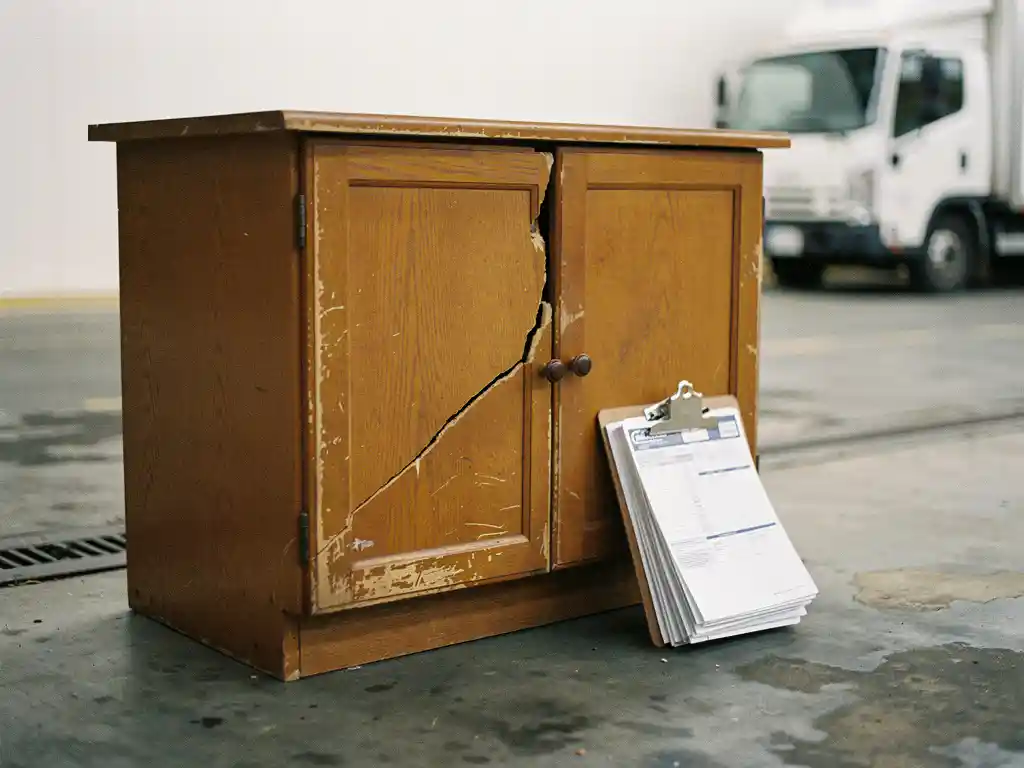
Furniture transport damage is more common than most people expect, and when it happens, knowing your legal rights makes the difference between full compensation and an expensive dispute. Whether you are shipping a single sofa across the country or managing a large-scale project furniture delivery, the same legal principles apply: someone is responsible, a framework governs that responsibility, and a process exists for making a claim. This guide walks you through each of those steps so you can protect your interests from the moment the damage is discovered.
Identify who is legally responsible for the damage
Before you file anything, you need to establish who bears legal responsibility for the furniture transport damage. Liability does not automatically fall on the carrier. Depending on the contract structure, responsibility may sit with the freight forwarder, the logistics provider, a subcontractor, or even the shipper if goods were improperly packaged before handover.
- Review your transport contract or booking confirmation to identify the contracting carrier, meaning the party legally bound to deliver the goods.
- Check whether any subcontractors were involved. In many logistics chains, the contracting carrier delegates physical transport to a third party, but remains legally liable to you as the shipper or consignee.
- Identify whether you are the shipper, the consignee, or a third-party claimant, as this affects your standing to bring a claim.
Once you know who is contractually responsible, you have a clear target for your freight liability claim. Keep all contracts, booking confirmations, and delivery instructions on hand, as these documents will be referenced throughout the process.
Check which legal framework applies to your shipment
The legal framework governing furniture damage compensation depends on how and where the goods were transported. Different rules apply to road, sea, air, and rail freight, and cross-border shipments introduce additional complexity.
- For road transport within Europe, the CMR Convention (Convention on the Contract for the International Carriage of Goods by Road) applies to international shipments. Domestic road transport is governed by national law, such as the Dutch Civil Code for shipments within the Netherlands.
- For sea freight, the Hague-Visby Rules or the terms of the bill of lading govern liability. For air freight, the Montreal Convention sets the framework.
- Review the carrier’s general terms and conditions, as these may supplement or restrict the applicable statutory framework within the limits the law allows.
Knowing the applicable framework is essential because it determines your time limits for filing, the liability caps that apply, and the burden of proof required. If your shipment crossed multiple borders or involved multiple transport modes, seek legal advice early to identify which regime takes precedence.
Document the damage correctly at the moment of delivery
This step is the most time-sensitive and the one where most claimants lose their case before it even begins. Proper documentation of furniture transport damage at the point of delivery creates the evidentiary foundation for everything that follows.
- Inspect the goods before signing the delivery receipt. Never sign a clean receipt if damage is visible or suspected.
- Note all visible damage directly on the delivery receipt or consignment note. Be specific: describe the location, nature, and extent of the damage rather than writing generic terms like “damaged.”
- Photograph the damage from multiple angles, including the packaging, the item itself, and any identifying labels or shipment references.
- If damage is discovered after the driver has left, send written notification to the carrier as quickly as possible. Under the CMR Convention, concealed damage must be reported within seven days of delivery.
After completing this step, you should have a signed delivery receipt with damage noted, a set of timestamped photographs, and a written record of when the damage was discovered. This documentation package is what transforms a complaint into a legally valid transport damage claim.
File a formal damage claim within the legal time limits
With your documentation in order, the next step is submitting a formal transport damage claim to the responsible party. Missing the applicable deadline can extinguish your right to compensation entirely, regardless of how clear the liability is.
- Identify the deadline that applies under your legal framework. Under the CMR Convention, the general limitation period for legal action is one year, extended to three years in cases of fraud or wilful misconduct. Under national law, periods vary.
- Draft a formal written claim addressed to the carrier or logistics provider. Include the shipment reference, date of delivery, description of the damage, supporting documentation, and the amount of compensation you are seeking.
- Send the claim by a traceable method, such as registered post or email with read receipt, so you have proof of the date it was submitted.
- Retain copies of all correspondence from this point forward.
After submitting the claim, the carrier is typically required to acknowledge receipt and respond within a reasonable period. Keep a log of all communications, including dates, names of contacts, and the content of any verbal discussions confirmed in writing. This record becomes critical if the claim escalates to a dispute.
Understand liability limits and how compensation is calculated
Even when liability is established, furniture damage compensation is rarely calculated at full replacement value. Most legal frameworks cap the carrier’s liability at a fixed amount per kilogram of damaged goods, which can fall significantly short of the actual market value of high-quality furniture.
Under the CMR Convention, the liability limit is 8.33 Special Drawing Rights (SDR) per kilogram of gross weight of the goods lost or damaged. For a 50-kilogram piece of furniture, this translates to roughly 550 euros at current SDR exchange rates, which may be far below the item’s actual value. National frameworks and carrier terms may set different caps, sometimes lower.
To close the gap between the statutory cap and actual value, consider the following:
- Declared value: Some carriers allow you to declare a higher value at the time of booking in exchange for an additional fee. This raises the liability ceiling for that shipment.
- Transport insurance for furniture: A separate cargo insurance policy covers the full commercial value of the goods and is independent of the carrier’s statutory liability. This is the most reliable way to ensure full recovery.
- Proof of value: Even within the statutory cap, you must demonstrate the actual value of the damaged goods. Retain purchase invoices, appraisals, or replacement cost estimates.
Understanding these limits before you ship, rather than after damage occurs, gives you the opportunity to arrange adequate furniture transport coverage and declare value correctly. If you are already in a claim situation, gather all evidence of value to maximize recovery within the applicable cap.
Resolve disputes when a claim is rejected or underpaid
If the carrier rejects your claim, offers a settlement below what you are entitled to, or fails to respond within a reasonable time, you have several escalation options. A rejected claim is not the end of the process.
- Request a written explanation for the rejection or the basis for the offered settlement. This forces the carrier to state their legal position clearly and may reveal weaknesses in their argument.
- Engage an independent loss adjuster or freight claims specialist to assess the damage and produce an expert report. This report carries significant weight in negotiations and legal proceedings.
- Escalate to mediation or arbitration if your contract includes a dispute resolution clause. Many logistics contracts specify these mechanisms before litigation is permitted.
- If alternative resolution fails, consider legal action in the competent court. Under the CMR Convention, you may bring proceedings in the country where the goods were taken over, the country of delivery, or the carrier’s domicile.
Throughout this process, the quality of your documentation from the earlier steps determines the strength of your position. Carriers are more likely to settle fairly when presented with a well-documented claim backed by a clear legal argument. If you work with an experienced logistics partner, they can often facilitate resolution faster than pursuing a carrier independently. We at Jan Krediet handle freight liability matters as part of our commitment to transparent, professional service, and our team is available to guide you through the process. Feel free to get in touch with us if you need support navigating a transport damage claim.