




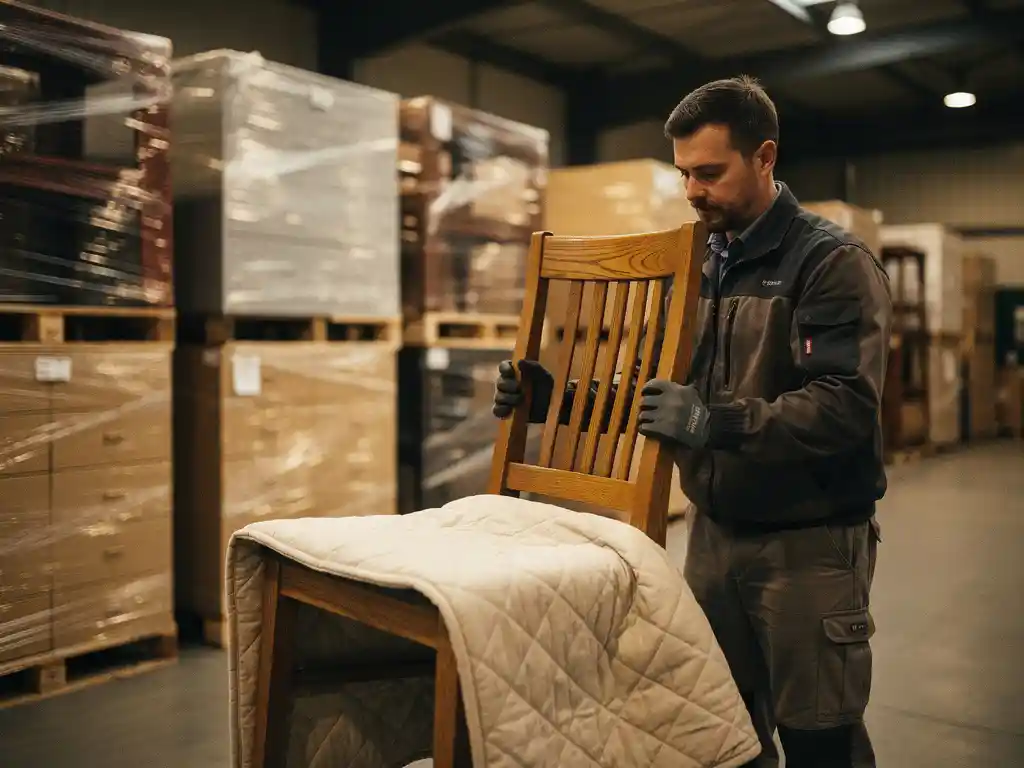
Long-distance furniture transport is one of the most demanding logistical challenges you can face, whether you are moving a single statement piece across the country or shipping an entire office fit-out internationally. The risks are real: scratches, dents, structural damage, and moisture exposure can all turn a straightforward shipment into a costly problem. The good news is that most furniture damage during transport is entirely preventable with the right preparation and process.
This guide walks you through every stage of safe furniture transport, from the moment you assess what you are moving to the final inspection on arrival. Follow these steps and you will give your furniture the best possible chance of arriving in exactly the condition it left in.
Assess and document your furniture before transport
Before anything gets wrapped or loaded, take stock of exactly what you are working with. A thorough pre-transport assessment gives you a baseline record of each item’s condition and helps you plan the right protection strategy for every piece.
- Walk through every item and note existing damage: scratches, loose joints, worn upholstery, or fragile decorative elements.
- Photograph each piece from multiple angles in good lighting, capturing close-ups of any pre-existing marks or weak points.
- Record dimensions and weight for each item, as this determines how they will be packed and positioned in the vehicle.
- Identify which pieces are high-value, antique, or particularly fragile so they receive priority attention during packing.
After completing this step, you should have a clear written and photographic record of every item. This documentation protects you in the event of a dispute and serves as a practical reference throughout the packing and loading process. Store copies digitally and keep a printed version with the shipment.
Choose the right packing materials for each furniture type
Not all furniture needs the same protection, and using the wrong materials is one of the most common causes of damage during long-distance furniture shipping. Matching your packing approach to the specific material and structure of each piece is essential for effective furniture protection.
For furniture transport over long distances, build your materials kit around these essentials:
- Moving blankets and furniture pads: Ideal for solid wood pieces, upholstered items, and anything with a polished surface that scratches easily.
- Bubble wrap: Best for glass panels, mirrors, decorative elements, and small fragile components.
- Stretch wrap or plastic film: Keeps drawers, doors, and loose parts secured without leaving adhesive residue on surfaces.
- Cardboard corner protectors: Essential for tables, cabinets, and shelving units where edges and corners take the most impact.
- Custom crating: Necessary for high-value antiques, sculptural pieces, or anything with an irregular shape that standard wrapping cannot fully protect.
Avoid using standard household tape directly on wood or lacquered surfaces, as adhesive residue can damage finishes. Always apply tape to the wrapping material itself, not the furniture. Once you have your materials ready, you can move on to preparing the furniture itself for the journey.
Disassemble and prepare furniture for long-distance travel
Disassembly is one of the most effective ways to reduce risk during long-distance furniture transport. Smaller components are easier to protect individually, take up less space, and are far less likely to suffer structural stress during transit.
- Remove all legs, shelves, and detachable panels where the design allows it, storing screws and fittings in clearly labeled zip-lock bags taped to the relevant piece.
- Take off doors from wardrobes and cabinets and wrap them separately in moving blankets secured with stretch wrap.
- Remove cushions and soft furnishings from sofas and chairs and pack them in sealed bags to protect against moisture and dirt.
- Wrap each disassembled component individually before grouping them together, never stack unwrapped parts directly against each other.
Photograph the disassembly process as you go, particularly for complex items. These photos will be invaluable during reassembly at the destination. With each piece broken down and wrapped, you are now ready to think carefully about how everything gets loaded.
Load and secure furniture correctly in the transport vehicle
Loading order and securing technique directly determine whether your furniture arrives intact. Even perfectly packed items can sustain damage if they shift, tip, or press against each other during a long haul.
- Load the heaviest and sturdiest pieces first, positioning them against the front wall of the vehicle to distribute weight correctly and reduce movement during braking.
- Stand sofas and mattresses on their ends to save floor space and prevent compression damage.
- Fill gaps between items with soft furnishings, blankets, or foam padding to prevent shifting, never leave empty space where items can move freely.
- Use load straps or tie-downs to anchor large pieces to the vehicle’s anchor points, checking that straps do not press directly against unprotected surfaces.
- Place fragile wrapped items in positions where they will not be crushed by heavier pieces if the load shifts.
Once loaded, gently rock the vehicle or simulate a turn to check whether anything moves. If you hear any shifting, adjust packing and strapping before departure. A well-loaded vehicle should feel stable with no audible movement from the cargo.
Handle climate and humidity risks during long hauls
Temperature and humidity are often overlooked in furniture damage prevention, yet they are among the most destructive forces during long-distance transport. Wood expands and contracts with moisture changes, upholstery can develop mildew in humid conditions, and extreme cold can make certain materials brittle.
Take these precautions before and during the journey:
- Avoid packing furniture in damp conditions or leaving wrapped items exposed to rain before loading.
- For shipments crossing multiple climate zones, use moisture-absorbing silica gel packets inside wrapped pieces or within enclosed containers.
- Request climate-controlled transport for antique wood furniture, leather pieces, or items with veneer finishes that are particularly sensitive to humidity swings.
- If using a shipping container for international furniture shipping, ensure it is clean, dry, and free of any previous cargo residue before loading.
For complex international shipments involving multiple climate zones or extended transit times, working with an experienced logistics partner makes a significant difference. We have been handling specialist furniture logistics since 1924 and operate through the MACH-3000 European network, which means we can manage climate risks across routes worldwide. If you are shipping furniture internationally and want expert support, our project logistics team can advise on the right approach for your specific cargo and route.
Inspect and reassemble furniture on arrival
The final step is just as important as the first. A thorough arrival inspection ensures that any damage is identified and recorded immediately, before packaging is disposed of and while the evidence is still intact.
- Before unwrapping anything, photograph each item in its packaged state as it arrived.
- Unwrap items carefully and compare their condition against your pre-transport photographs and documentation.
- Note any new damage immediately in writing, including the date, location, and a description of the issue.
- Reassemble each piece using your disassembly photographs as a guide, working methodically and checking that all fittings are secure before moving on.
- Test moving parts such as drawers, doors, and reclining mechanisms to confirm they function correctly after reassembly.
If damage has occurred, having your pre-transport documentation ready means you can file a claim promptly and accurately. Do not discard packaging materials until you have completed a full inspection, as these may be needed as evidence. Once everything is reassembled and checked, your furniture transport process is complete and your pieces are ready to be placed and enjoyed in their new home.
Moving furniture safely over long distances requires attention at every stage, but the process is entirely manageable when you follow a structured approach. Whether you are coordinating a single delivery or a large-scale project, the principles remain the same: document thoroughly, pack correctly, load strategically, and inspect on arrival. If you would like to learn more about how we approach specialist furniture logistics, visit our about us page or get in touch with our team directly.