




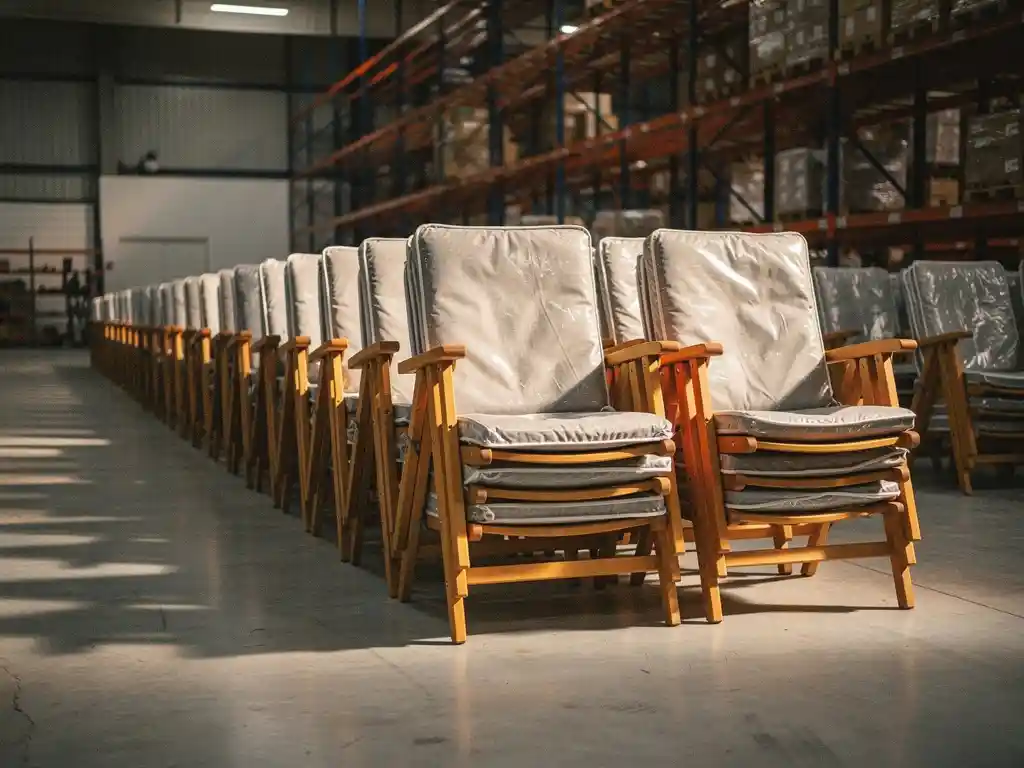
Managing seasonal terrace furniture storage is one of those operational tasks that hotels often underestimate until something goes wrong. A cracked resin chair, a rusted frame, or a misplaced cushion set discovered just days before the terrace reopens can mean last-minute costs and a poor guest experience. With a structured approach, you can protect your investment, reduce handling time, and make sure every piece is ready to go when the season returns.
This guide walks you through the full process of hotel outdoor furniture seasonal storage, from initial inventory assessment through to reinstallation. Follow these steps in order and you will have a reliable system that works year after year.
Assess your terrace furniture inventory before storing
Before you move a single chair or table, take stock of exactly what you have. A clear inventory is the foundation of efficient terrace furniture management and prevents the frustration of discovering damaged or missing items at the start of the next season.
- Walk the entire terrace and create a written or digital list of every piece, including chairs, tables, loungers, parasols, planters, and cushion sets.
- Note the condition of each item: look for cracks, rust spots, fading, broken joints, or torn fabric.
- Photograph any existing damage so you have a clear before-and-after reference.
- Flag items that need repair before storage, as storing damaged furniture often makes the damage worse.
- Decide which pieces are no longer fit for guest use and should be replaced rather than stored.
After completing this step, you should have a full written inventory with condition notes and photographs. This document becomes your reference point for the entire storage cycle and your starting checklist when the season reopens.
Clean and prepare each furniture type correctly
Storing dirty furniture is one of the most common mistakes in hotel terrace furniture management. Moisture, food residue, and surface grime accelerate deterioration during storage, especially in enclosed spaces where airflow is limited. Proper cleaning and preparation extend the life of your furniture significantly.
Hard furniture: metal, teak, and synthetic rattan
Wipe down metal frames with a damp cloth and a mild detergent, then dry thoroughly. Apply a protective wax or oil to teak furniture to prevent it from drying out. For synthetic rattan, a soft brush and soapy water work well. Make sure every piece is completely dry before storage, as trapped moisture leads directly to mould and rust.
Soft furnishings: cushions, covers, and parasol canopies
Remove all cushion covers and wash them according to the manufacturer’s instructions. Allow them to dry fully before folding or bagging. Parasol canopies should be detached, cleaned, and stored flat or rolled rather than folded, which creates permanent crease lines. Never store damp cushions in sealed bags or containers.
- Clean all hard surfaces and allow them to dry for at least 24 hours before stacking or wrapping.
- Treat metal frames with a rust-inhibiting product if they will be stored in a space with any humidity.
- Store cushions and fabric items in breathable bags or cotton storage sacks, not airtight plastic.
Once everything is clean and dry, you are ready to move into the storage phase with confidence that your furniture will come out in the same condition it went in.
Choose the right storage method and location
With your inventory assessed and furniture prepared, the next decision is where and how to store it. The right storage environment protects against temperature fluctuations, moisture, pests, and physical damage during the off-season.
For most hotels, outdoor furniture storage falls into one of three categories: on-site storage in a dedicated room or basement, covered outdoor storage, or off-site warehousing. Each has trade-offs depending on your volume of furniture and available space.
- On-site indoor storage: Ideal for smaller properties. Keep the space dry, well-ventilated, and free from direct sunlight. Use shelving to stack items safely rather than piling them on the floor.
- Covered outdoor storage: Acceptable for robust metal or teak furniture if covered with breathable, waterproof covers. Not recommended for cushions or fabric items.
- Off-site professional warehousing: The best option for larger hotels or properties without sufficient storage space. A professional warehousing solution provides climate-controlled conditions, organised racking, and easy retrieval when the season starts.
Whichever method you choose, make sure heavy items are stored at the bottom of any stack, parasol bases are stored upright, and glass tabletops are stored vertically with padding between them to prevent cracking.
Pack and label furniture for efficient retrieval
Packing and labelling might seem like an optional extra, but it is what separates a smooth seasonal reopening from a chaotic one. When you are setting up a 50-seat terrace in a short turnaround window, knowing exactly where each item is saves hours of searching and handling.
- Group furniture by type and by terrace zone (for example, poolside loungers, dining area chairs, bar stools).
- Wrap individual pieces or sets in moving blankets or furniture pads to prevent scratches during transport and storage.
- Label each bundle or storage bag clearly with the item type, quantity, and the zone it belongs to.
- Create a simple storage map that shows where each group is located within your storage space.
- Keep cushions and covers grouped with their corresponding furniture so nothing is separated over winter.
If you are using off-site storage, share your labelling system with the storage provider so their team can locate and prepare items before collection. We work with hotels on exactly this kind of furniture transport and handling, ensuring pieces are moved, stored, and returned without damage or confusion.
A well-labelled storage setup means the first day of your terrace season is organised rather than overwhelming.
Plan the seasonal return and reinstallation
The final step in managing hotel outdoor furniture seasonal storage is planning the return before the storage season even begins. Building your reinstallation plan now, while the details are fresh, means you will not be improvising under time pressure when guests are already booking terrace tables.
- Set a target reinstallation date based on your expected season opening and work backwards to schedule collection from storage.
- Assign staff roles for the reinstallation day: who handles transport, who inspects furniture on arrival, and who does the layout.
- Use your inventory list and photographs from step one to check every item against its stored condition before placing it on the terrace.
- Arrange any repairs identified during the inventory assessment so they are completed before the opening date, not after.
- Update your inventory document at the end of the process to reflect any replacements or additions for the following year.
A realistic timeline for reinstallation of a medium-sized hotel terrace is typically two to three working days, including delivery, inspection, layout, and final dressing. Build in buffer time for any items that need a last-minute clean or minor repair on arrival.
Managing terrace furniture seasonally is a repeatable process once you have the right system in place. With a clear inventory, proper preparation, smart storage, organised packing, and a planned return, your hotel terrace will open each season looking exactly as it should. If you need support with transport, storage, or logistics at any stage, feel free to get in touch with our team to discuss what we can arrange for your property.