




Premium brands choose better delivery over faster delivery because speed alone does not protect what makes a premium product valuable: the experience of receiving it. When a customer pays a premium price, they expect every touchpoint to reflect that investment, including the final moment of delivery. This article unpacks exactly why that trade-off matters and what it means in practice for brands, logistics partners, and customers alike.
What does ‘better delivery’ actually mean for premium brands?
Better delivery for premium brands means a delivery experience that matches the quality of the product itself. It encompasses careful handling, professional presentation, clear communication, precise timing, and a service attitude that reflects the brand’s values at the doorstep. Speed is a secondary factor; the primary goal is that the product arrives in perfect condition and the customer feels genuinely looked after throughout the process.
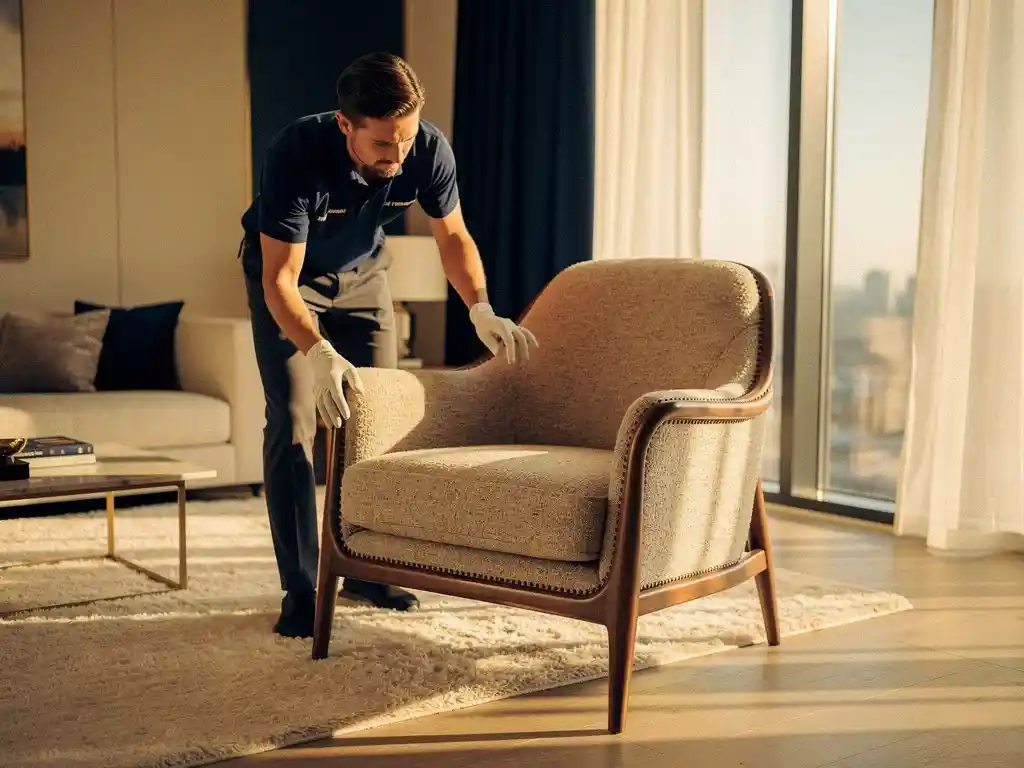
In practical terms, better delivery often includes white-glove handling, room-of-choice placement, assembly or installation services, and proactive updates that keep the customer informed at every stage. For high-value items like designer furniture, luxury kitchens, or premium interior pieces, it also means trained delivery professionals who understand how to handle fragile or bespoke goods without damage.
The distinction from standard delivery is significant. A standard courier service is optimised for volume and speed. Better delivery is optimised for outcomes: the customer should feel that the brand cared enough to get every detail right, not just the fastest route from warehouse to door.
How does a poor delivery experience damage a premium brand?
A poor delivery experience damages a premium brand by creating a direct contradiction between what the brand promises and what the customer actually receives. If a product is marketed as exclusive and carefully crafted but arrives damaged, late, or handled carelessly, the brand’s credibility takes a hit that no marketing budget can easily repair. The delivery moment is the brand’s final impression, and for premium customers, it carries enormous weight.
The damage operates on several levels. First, there is the immediate impact: a damaged or poorly delivered product generates returns, complaints, and replacement costs. Second, there is the reputational impact: premium customers are vocal, and a disappointing delivery story shared with peers or posted online can undermine years of brand building. Third, there is the loyalty impact: a customer who expected a premium experience and did not receive one is unlikely to return, regardless of how much they admired the product itself.
Premium brands invest heavily in product quality, design, and retail presentation. Allowing that investment to be undermined at the last mile is not just a logistical failure; it is a brand failure. The delivery experience is inseparable from the product experience at the moment that matters most.
What do premium customers expect from a delivery?
Premium customers expect a delivery that feels as considered and professional as every other part of their purchasing experience. They expect punctuality, clear communication before and during delivery, careful handling, and personnel who are courteous and knowledgeable. They do not expect to chase updates, rearrange their schedule multiple times, or deal with damage or confusion at the door.
Specifically, premium customers tend to value the following:
- Precise scheduling: A confirmed time window, not a vague all-day slot
- Proactive communication: Updates as the delivery approaches, not just a tracking link
- Professional handling: Trained staff who treat the product with the same care the customer does
- Added services: Assembly, installation, or removal of packaging where relevant
- A clean finish: No mess left behind, no damage to the property or product
These expectations are not unreasonable; they are simply aligned with what the customer has already paid for. When the delivery experience matches the product quality, it reinforces the purchase decision and builds the kind of loyalty that premium brands depend on for long-term growth.
Why does delivery speed matter less when product value is high?
Delivery speed matters less for high-value products because the customer’s primary concern shifts from convenience to confidence. When someone purchases a premium item, they are not looking for the fastest possible turnaround; they are looking for assurance that the product will arrive in perfect condition, at a time that suits them, handled by people who know what they are doing. Rushing that process introduces risk without adding meaningful value.
There is also a practical dimension. High-value or large-format products such as furniture, kitchen installations, or bespoke interior pieces often require specialist logistics that cannot be compressed into a next-day delivery model. Proper planning, careful loading, specialist vehicles, and trained delivery teams take time to coordinate. Cutting corners on that process to gain a day or two of speed is rarely worth the risk of damage or a poor customer experience.
Furthermore, premium customers are generally willing to wait for quality. Research consistently shows that customers who make considered, high-value purchases prioritise the outcome over the timeline. What they are not willing to accept is uncertainty, poor communication, or a delivery that fails to meet their expectations. A delivery that takes a few extra days but arrives perfectly, on schedule, and handled professionally will always outperform a rushed delivery that creates problems.
What should premium brands look for in a logistics partner?
Premium brands should look for a logistics partner with proven expertise in handling high-value goods, a commitment to service quality at every touchpoint, and the operational infrastructure to deliver consistently at scale. The right partner understands that they are representing the brand at the most critical moment of the customer journey, and they take that responsibility seriously.
Key qualities to evaluate include:
- Specialist experience: Does the partner have a track record with premium or fragile products in your category?
- Trained delivery teams: Are personnel trained in careful handling, customer communication, and professional conduct?
- Added value services: Can the partner offer assembly, installation, or other services that complete the delivery experience?
- Communication systems: Does the partner provide real-time tracking and proactive customer updates?
- Network reach: Can the partner deliver consistently across your key markets, including international destinations?
- Reliability record: What is their performance history on on-time delivery and damage rates?
We at Jan Krediet have built our furniture transport service around exactly these principles. With more than a century of logistics experience, a fleet of over 250 vehicles, and membership of the MACH-3000 European network, we deliver premium products to more than 150 locations worldwide with the care and professionalism that premium brands require. Our teams are trained to handle every item as if it were their own, and our service extends well beyond the vehicle, covering assembly, installation, and full on-site completion where needed.
Choosing the right logistics partner is not a back-office decision for premium brands; it is a brand decision. The partner you choose will interact with your customers at the moment they are most emotionally invested in their purchase. That moment deserves the same level of care and attention as everything else your brand stands for. If you would like to explore what a better delivery experience could look like for your brand, get in touch with our team to discuss your specific needs.