




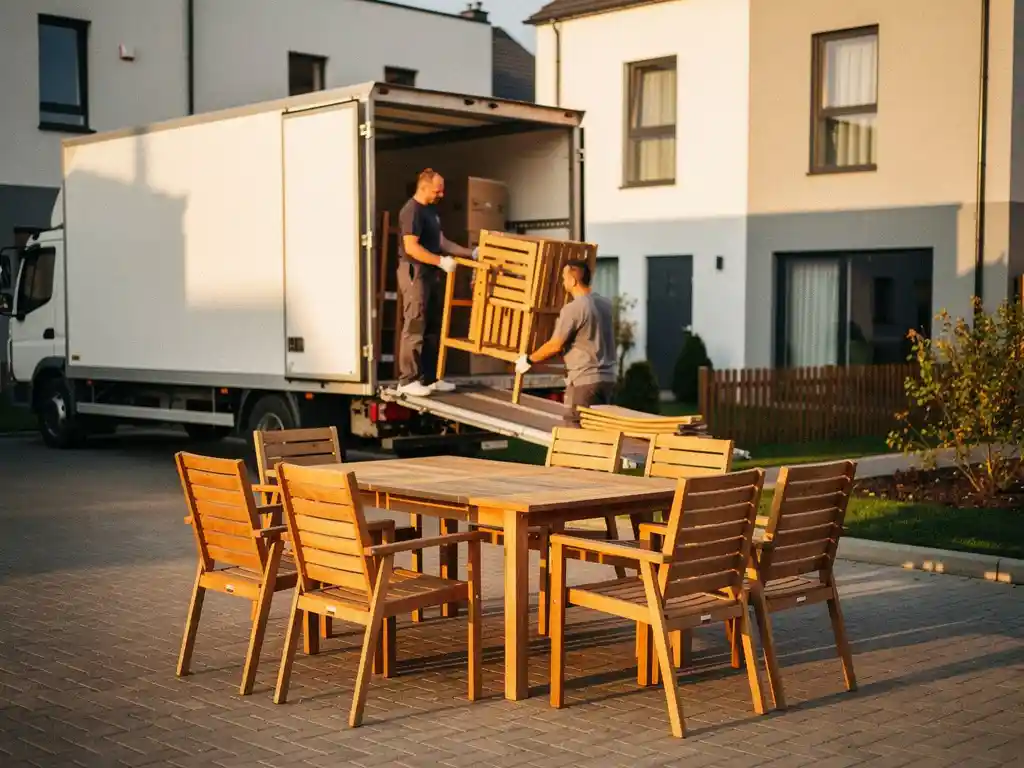
Delivering garden furniture to new-build homes sounds straightforward until you are managing multiple plots, tight handover windows, and furniture that needs to arrive in perfect condition. For property developers, getting this right is not just about aesthetics. It directly affects buyer satisfaction, handover timelines, and your reputation as a developer. A well-run logistics process makes the difference between a smooth handover and a chaotic one.
This guide walks you through every stage of logistics for property developers delivering garden furniture to new-build homes, from initial site mapping through to post-delivery review. Follow these steps in order, and you will have a reliable, repeatable process for every development you run.
Map the delivery requirements for each new-build site
Start by gathering detailed information about each site before any furniture is ordered or booked. New-build developments vary enormously in access, layout, and handover phasing, and assumptions at this stage lead to expensive problems later. A site that looks simple on paper may have restricted access roads, no turning space for large vehicles, or shared entrances that cannot be blocked during deliveries.
- Visit each site in person or request detailed site plans from your project manager, noting road widths, gate heights, and parking availability near each plot.
- Identify which plots share access routes and flag any that require smaller vehicles or timed delivery windows to avoid congestion.
- Record handover dates for each phase of the development, including any staggered completions, so you can align furniture delivery with actual move-in readiness.
- Note any site rules around delivery hours, noise restrictions, or contractor access requirements that your logistics partner will need to follow.
Once you have this information documented, you have a clear brief to hand to your logistics provider. Gaps at this stage will surface on delivery day, so thoroughness here saves significant time and cost downstream.
Choose a logistics partner with furniture delivery expertise
Not every transport company is equipped to handle garden furniture delivery to new-build homes. Outdoor furniture is often bulky, heavy, and susceptible to surface damage during transit. You need a partner with specific experience in furniture logistics, not a general haulier who treats a garden table the same as a pallet of bricks.
When evaluating providers, look for the following capabilities:
- Dedicated furniture transport fleet with appropriate padding, strapping, and protection equipment
- Experience delivering to residential new-build sites, including multi-plot developments
- Warehousing capacity to hold stock ahead of phased handovers
- Assembly and placement services so furniture arrives ready to use, not in flat-pack boxes
- Clear damage reporting and claims processes
We specialise in exactly this kind of work. Our furniture transport services are built around the specific requirements of developers and large-scale furniture deliveries, with a team that understands how to protect pieces in transit and handle site-specific access challenges. Once you have selected your partner, share the site mapping data you gathered in step one so they can begin planning vehicle types and routing.
Plan warehousing and stock staging around handover dates
Garden furniture ordered months in advance of handover cannot sit on-site or in your offices. You need a warehousing solution that holds stock safely and releases it in line with your handover schedule. This is where new-build home furniture delivery logistics becomes genuinely complex, because handover dates shift, phasing changes, and stock needs to remain protected and accessible throughout.
- Confirm expected handover dates with your construction and sales teams, building in a buffer of at least two weeks to account for common delays.
- Share your phased delivery schedule with your logistics partner so they can allocate warehouse space and plan staging sequences.
- Agree on a stock check process so you can verify quantities and condition before delivery windows open.
- Establish a clear escalation process for when handover dates change, including minimum notice periods for rescheduling deliveries.
Good warehousing is not just storage. It is active management of your inventory against a live project schedule. Our warehousing solutions are designed to support exactly this kind of phased, time-sensitive release of goods, so stock moves from our facility to site only when the plot is genuinely ready to receive it.
Coordinate delivery scheduling across multiple plots
With warehousing in place and handover dates confirmed, the next step is building a delivery schedule that works across all your plots simultaneously. This is the operational core of property developer logistics and where coordination between your sales team, site managers, and logistics partner needs to be tightest.
- Create a master delivery schedule that maps each plot to its confirmed handover date, furniture specification, and access requirements identified in step one.
- Group plots by proximity and access route to allow your logistics partner to plan efficient delivery runs rather than making isolated single-plot trips.
- Assign a single point of contact on your team for each delivery day who can communicate in real time with the driver and site manager.
- Build contingency slots into the schedule for plots where handover is delayed, so rescheduled deliveries do not create a bottleneck across the whole development.
Verify that the schedule is shared with all parties at least two weeks before the first delivery window. A confirmed schedule that everyone has seen and agreed to reduces last-minute changes significantly and gives your logistics partner the lead time they need to allocate vehicles and crews efficiently.
Handle assembly, placement, and damage checks on-site
Delivery is not complete when the van leaves the site. For garden furniture, the final stage involves assembly where required, placement in the correct outdoor space, and a thorough condition check before the handover is signed off. Skipping this step means buyers discover problems after you have handed over the keys, which is far more costly to resolve.
- Confirm with your logistics partner in advance which items require assembly on-site and ensure the delivery crew is equipped and trained to complete it.
- Provide a placement plan for each plot, specifying where each piece should be positioned in the garden or outdoor area.
- Conduct a joint damage inspection with the delivery crew at the point of placement, photographing any marks or defects before the crew departs.
- Obtain a signed delivery confirmation from the site manager or your representative for each plot before the crew moves to the next.
If damage is found during the on-site check, log it immediately using your agreed claims process. Trying to raise damage claims after the crew has left and the handover has happened is significantly harder. A clear on-site inspection protocol protects both you and your logistics partner and gives buyers confidence that their outdoor space has been set up properly.
Review delivery performance and refine future projects
Once all plots have been delivered and handed over, take time to review how the process performed before the detail fades. A structured review at the end of each development creates a feedback loop that makes your last mile furniture logistics sharper and more cost-effective with every project you run.
Bring together your logistics partner, site managers, and internal project lead to assess the following:
- Which plots experienced delays and what caused them
- Whether the warehousing staging plan held up against actual handover dates
- How many damage incidents occurred and at which stage they happened
- Whether the delivery schedule allowed efficient routing or created unnecessary vehicle movements
- Feedback from buyers or site managers about the delivery experience
Document the outcomes and share them with your logistics partner ahead of your next development. Even small refinements, such as adjusting notice periods for rescheduling or changing the sequence in which plots are grouped, compound into meaningful improvements across a large development. The goal is a logistics process that becomes more reliable and cost-efficient every time you run it. If you would like to discuss how we can support your next project, get in touch with our team to talk through your requirements.