


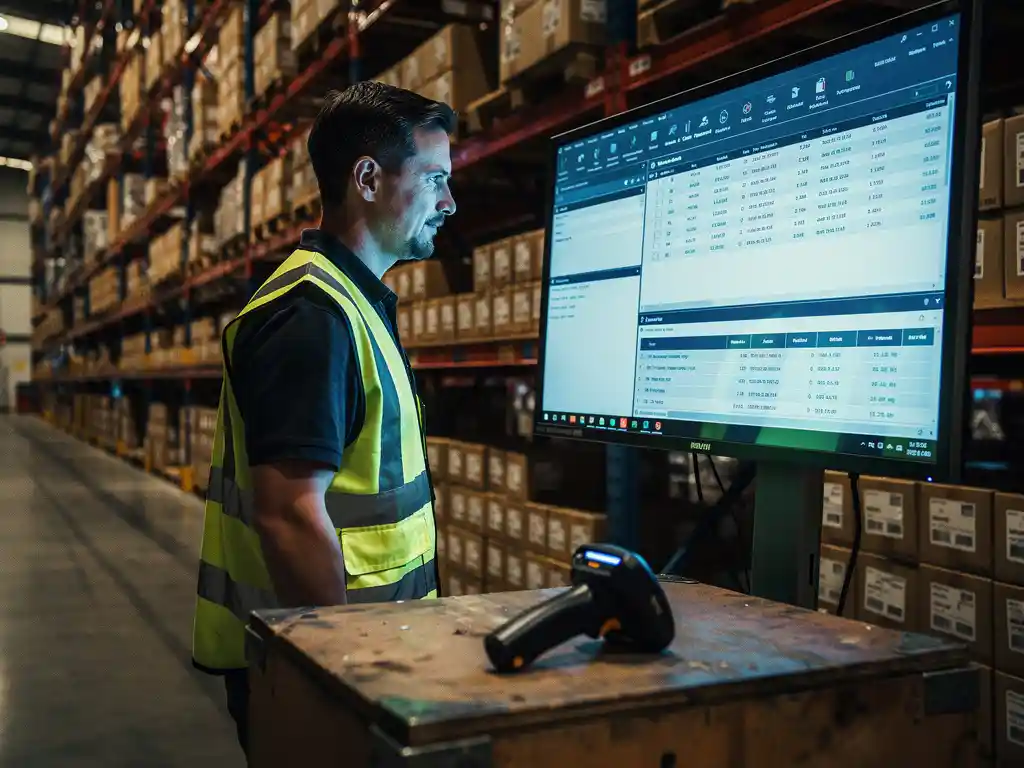
Real-time visibility into component shipments is provided by a combination of GPS tracking, transport management systems (TMS), IoT sensors, and carrier data integrations that together deliver live location and status updates throughout the supply chain. These technologies work in concert to give logistics managers a continuous, accurate picture of where shipments are, what condition they are in, and when they will arrive. The sections below break down each layer of this visibility stack and explain how to apply it to complex, multimodal component flows.
What technologies power real-time shipment tracking?
Real-time shipment tracking is powered by GPS devices mounted on vehicles, IoT sensors attached to individual shipments, cellular and satellite communication networks, and cloud-based platforms that aggregate and display all incoming data in a single dashboard. Together, these technologies create a continuous data stream from the moment a component leaves its origin to the moment it reaches its destination.
GPS remains the backbone of road transport visibility. Modern tracking units transmit location data at intervals as short as every 30 seconds, giving logistics teams a near-live view of vehicle positions. When a shipment moves beyond road transport, satellite-based Automatic Identification Systems (AIS) cover ocean freight, while Electronic Flight Bags and cargo tracking portals handle air freight. The result is a layered network of signals that follows a component across every mode of transport.
IoT sensors add a second dimension beyond location. Temperature loggers, humidity monitors, shock detectors, and tamper alerts can be attached directly to component packaging or pallets. These sensors transmit condition data alongside position data, which is particularly valuable for sensitive electronics, precision machinery parts, or temperature-controlled components. When a threshold is breached, an automated alert fires before the shipment even arrives, allowing teams to intervene proactively rather than discover damage at delivery.
The data from all these sources feeds into cloud platforms that normalize, visualize, and archive it. Artificial intelligence and machine learning layers on top of raw tracking data can predict estimated times of arrival more accurately than static schedules, flag anomalies such as unexpected route deviations, and surface patterns that help planners optimize future shipments. For companies managing high volumes of component movements, this predictive layer transforms tracking from a reactive tool into a strategic planning asset.
How does a transport management system provide shipment visibility?
A transport management system provides shipment visibility by acting as a central hub that connects carriers, warehouses, customs systems, and customers through a single platform. It pulls in tracking events from multiple sources, maps them against planned milestones, and surfaces exceptions automatically so that logistics teams only need to act when something deviates from the plan.
At its core, a TMS translates the raw data streams from GPS units, carrier APIs, and port systems into structured, meaningful events. When a component shipment is picked up, the TMS records a “departure” event. When it clears customs, a “clearance” event is logged. When the carrier scans it at a cross-dock, that scan populates the TMS timeline. Every event updates the estimated arrival time and gives stakeholders a chronological record of the shipment’s journey.
One of the most practical visibility features of a modern TMS is the exception management engine. Rather than requiring a planner to monitor dozens of shipments manually, the system flags only those that are at risk: a delayed pickup, a missed connection, a customs hold. This exception-driven approach is especially valuable for general cargo transport operations where shipment volumes are high and manual oversight of every movement is not feasible.
For clients and end customers, many TMS platforms also expose a customer-facing portal or automated notification system. Stakeholders receive status updates by email or SMS at predefined milestones without needing to contact the logistics provider directly. This self-service visibility reduces inbound enquiries and builds confidence in the supply chain, which is particularly important when components are feeding a time-sensitive production line.
What’s the difference between real-time and near-real-time visibility?
Real-time visibility means tracking data is transmitted and displayed with a delay of seconds, giving an essentially live view of a shipment’s location and status. Near-real-time visibility involves a delay of minutes to hours, typically because data is batched, polled at intervals, or dependent on manual scan events rather than continuous transmission.
The distinction matters most when speed of response is critical. In real-time tracking, a vehicle deviation from its planned route triggers an alert within seconds, allowing a dispatcher to call the driver immediately. In a near-real-time system that polls location data every 15 minutes, that same deviation might not surface for a quarter of an hour, by which point the vehicle could be significantly off course.
When real-time tracking is essential
Real-time visibility is non-negotiable when components feed a just-in-time production process where a delay of even a few hours can halt an assembly line. It is equally important for high-value or sensitive shipments where theft, damage, or environmental breaches require immediate intervention. In these scenarios, the cost of a continuous cellular or satellite connection is easily justified by the risk it mitigates.
When near-real-time tracking is sufficient
For standard component shipments with longer lead times and reasonable buffer stock, near-real-time visibility is often adequate and significantly more cost-effective. Scheduled scan events at key milestones, such as departure, arrival at a hub, customs clearance, and final delivery, provide enough information to manage exceptions without the overhead of continuous transmission. The key is matching the tracking frequency to the actual risk profile of the shipment.
Why do component shipments lose visibility at certain points?
Component shipments lose visibility at certain points because the supply chain involves multiple parties, systems, and transport modes that do not always share data with each other. Gaps appear at handoff points between carriers, during customs processing, at transshipment hubs, and in regions where cellular or satellite coverage is limited.
The handoff between carriers is the most common blind spot. When a road freight carrier delivers a component to an air freight terminal, the tracking responsibility shifts from the trucking company’s system to the airline’s cargo system. If these two systems are not integrated through a shared API or a TMS that bridges them, the shipment disappears from view until the airline logs its own departure scan. This gap can last hours.
Customs is another frequent visibility gap. While a shipment sits in a customs examination queue, it may not generate any tracking events because it is physically stationary and in the custody of a government authority rather than a carrier. The only update available is often a status code from the customs system, which may not be integrated into the shipper’s visibility platform at all.
Geographic coverage also plays a role. Ocean freight crossing remote stretches of ocean relies on satellite AIS, which updates position data less frequently than cellular GPS. In regions with limited infrastructure, even road transport can drop off the tracking grid. Experienced logistics providers address this by building milestone-based check-in protocols for legs where continuous tracking is not possible, ensuring that even without live data, the shipment is confirmed at regular intervals.
We address these gaps through a combination of integrated carrier data feeds, proactive milestone management, and a single dedicated contact who monitors each shipment and communicates proactively when a gap is identified. You can see how this approach applies across different logistics scenarios in our client cases.
Which visibility tools are best suited for multimodal component shipments?
For multimodal component shipments, the best visibility tools are TMS platforms with native multimodal carrier integrations, supplemented by IoT condition sensors for sensitive components and a customer-facing tracking portal that consolidates all modes into a single timeline. No single tool covers every mode equally well, so the most effective approach combines a central platform with mode-specific data feeds.
A multimodal TMS is the starting point because it is designed to handle the complexity of shipments that move by road, sea, and air within a single journey. These platforms maintain a unified shipment record that ingests events from different carrier systems and presents them as one coherent timeline. Without this integration layer, teams are forced to log in to separate portals for each carrier, manually piece together the journey, and reconcile conflicting timestamps.
IoT sensors become especially important in multimodal flows because components are handled more frequently, transferred between different vehicles and environments, and exposed to a wider range of conditions. A sensor that travels with the component, rather than being tied to a specific vehicle, maintains continuity of condition monitoring across every handoff. This is particularly relevant for electronic components, precision instruments, or anything with strict storage requirements.
Visibility platforms that offer configurable milestone alerts allow logistics teams to define the events that matter most for their specific component flows. Rather than receiving a flood of low-value updates, planners are notified only when a shipment crosses a critical threshold: cleared customs, arrived at the final hub, or out for delivery. This focused alerting is far more actionable than raw data streams and scales well across large shipment volumes.
For organizations managing complex project logistics involving components sourced from multiple origins and delivered to a single installation site, visibility tools must also support consolidation tracking, showing not just where each component is individually, but whether the full set required for a project milestone will arrive together on time. This project-level view is what separates a basic tracking tool from a genuine supply chain visibility solution.
We combine these tools with the expertise of our logistics professionals to deliver end-to-end visibility for component shipments across all modes and geographies. If you would like to discuss how we can apply this to your supply chain, our team is ready to help via our contact page.