


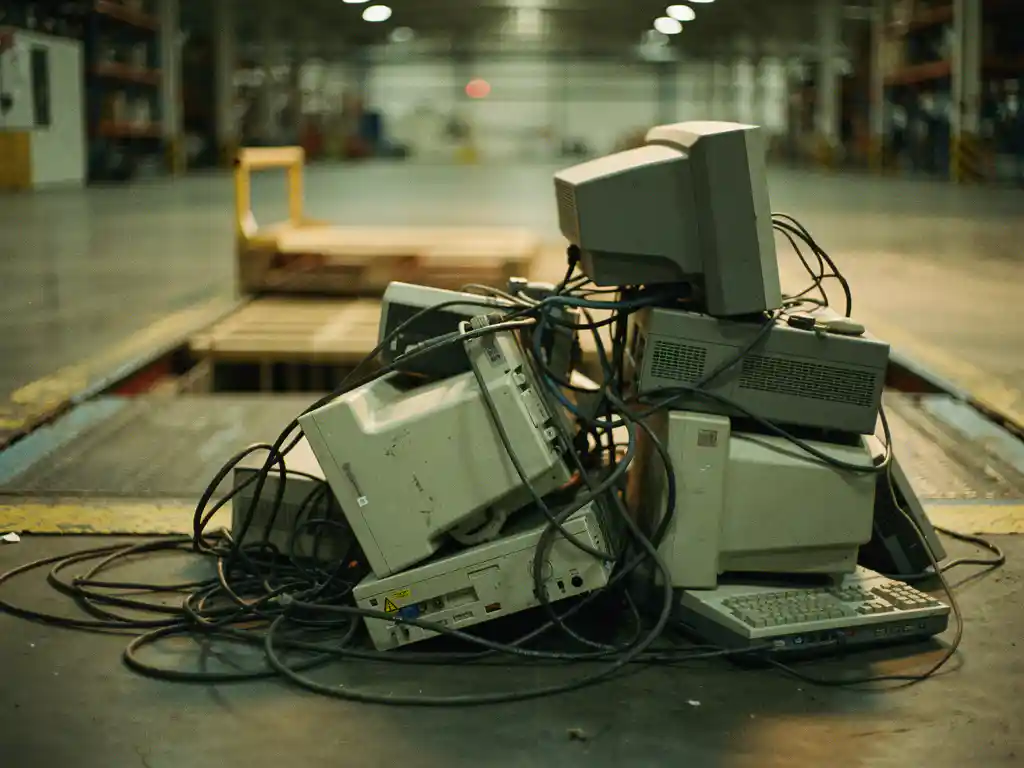
End-of-life IT equipment refers to hardware that has reached the point where it is no longer fit for its original purpose, whether due to age, obsolescence, failure, or a change in business needs. Organizations face several disposal options at this stage, including resale, refurbishment, donation, recycling, and certified destruction. The right choice depends on the condition of the equipment, the sensitivity of the data it holds, and the legal obligations that apply. This article walks through the key questions every organization should ask when managing decommissioned IT assets.
How do you know when IT equipment has reached end of life?
IT equipment has reached end of life when the manufacturer stops providing software updates, security patches, or technical support, or when the hardware can no longer meet the performance demands placed on it. In practice, this often happens between three and seven years after purchase, though the timeline varies by device type and usage intensity.
There are several clear signals to watch for. A device running an operating system that no longer receives security updates is a significant risk, regardless of whether the physical hardware still functions. Similarly, if repair costs are approaching or exceeding the cost of a replacement, decommissioning becomes the more rational choice.
For organizations managing large fleets of devices, a structured IT asset lifecycle policy removes the guesswork. By setting defined refresh cycles and tracking asset age centrally, IT teams can plan decommissioning proactively rather than reactively. This approach reduces downtime, improves security posture, and makes end-of-life IT equipment planning a routine operational process rather than an emergency response.
What are the main disposal options for old IT hardware?
The main disposal options for end-of-life IT equipment are resale, refurbishment, donation, recycling, and certified destruction. The best option depends on the condition of the device, the type of data it has stored, and any regulatory requirements that apply to your organization or sector.
Here is a breakdown of the most common routes:
- Resale: Functional equipment in good condition can be sold through secondary markets, either directly or through a specialist IT asset disposition (ITAD) provider. This recovers some of the original investment.
- Refurbishment: Devices that need minor repairs or upgrades can be refurbished and redeployed internally, sold, or donated. Refurbishment extends the useful life of hardware and supports circular economy principles.
- Donation: Working equipment can be donated to schools, charities, or community organizations. Data must be securely wiped before any donation.
- Recycling: Hardware that is no longer functional should be sent to a certified e-waste recycler that can recover raw materials and dispose of hazardous components responsibly.
- Certified destruction: Devices containing highly sensitive data may need to be physically destroyed, with a certificate of destruction issued as proof of compliance.
Many organizations use a combination of these options depending on the condition and sensitivity of each asset. A tiered approach, where functional devices are resold or donated and non-functional ones are recycled or destroyed, tends to deliver the best balance of value recovery and risk management.
What happens to the data stored on decommissioned IT equipment?
Data stored on decommissioned IT equipment must be securely erased before the device is reused, resold, donated, or recycled. Simply deleting files or performing a factory reset is not sufficient, as data can often be recovered using widely available tools. Proper data sanitization is a non-negotiable step in any responsible end-of-life IT process.
There are three recognized approaches to data sanitization, each suited to different situations:
- Software-based overwriting: Specialist tools overwrite the storage media with random data multiple times, making the original content unrecoverable. This method is appropriate for devices that will be reused or resold.
- Degaussing: A strong magnetic field is applied to the storage device, destroying the data. This renders the device unusable afterward, so it is typically reserved for hardware that will be recycled or destroyed.
- Physical destruction: The storage media is shredded or crushed. This is the most thorough method and is used when data sensitivity is extremely high or when other methods cannot be verified.
Organizations subject to data protection regulations, such as GDPR in Europe, are legally required to ensure that personal data is not accessible after equipment is decommissioned. Engaging a certified ITAD provider that issues a data destruction certificate provides a verifiable audit trail and significantly reduces legal exposure.
What is IT asset disposition (ITAD) and how does it work?
IT asset disposition (ITAD) is the structured process of retiring, managing, and disposing of end-of-life IT equipment in a way that is secure, compliant, and environmentally responsible. ITAD covers everything from data destruction and asset valuation through to resale, recycling, and reporting, typically managed by a specialized third-party provider.
The ITAD process generally follows these stages:
- Asset collection and logistics: Equipment is collected from one or multiple sites and transported securely to a processing facility. For organizations with large or geographically distributed estates, this logistics coordination is a significant part of the service.
- Inventory and valuation: Each asset is catalogued, assessed for condition, and assigned a residual value where applicable.
- Data sanitization: All storage media is wiped, degaussed, or destroyed according to the sensitivity of the data and the intended next use of the device.
- Remarketing or recycling: Functional assets are resold or refurbished; non-functional ones are broken down for parts or sent to certified recyclers.
- Reporting and certification: The client receives documentation covering asset serial numbers, data destruction methods, and environmental disposal records.
ITAD is particularly valuable for organizations that lack the internal capacity to manage decommissioning at scale. We at Jan Krediet understand the complexity of managing large-scale asset flows, and our warehousing and logistics capabilities support the kind of structured, traceable handling that ITAD processes require.
Can end-of-life IT equipment still hold residual value?
Yes, end-of-life IT equipment can still hold meaningful residual value, particularly if it is less than five years old, in working condition, and from a well-known manufacturer. Laptops, servers, networking equipment, and mobile devices often retain a portion of their original value even after they have been replaced within an organization’s refresh cycle.
The factors that most influence residual value include:
- Age: Devices under three years old typically command the strongest secondary market prices. Value drops significantly beyond five years for most categories.
- Condition: Cosmetic damage, missing components, or hardware faults reduce value considerably. Equipment that has been well maintained retains more.
- Brand and model: Enterprise-grade equipment from major manufacturers tends to hold value better than consumer-grade alternatives.
- Market demand: Certain categories, such as specific server configurations or professional laptops, can attract strong demand from businesses looking for cost-effective alternatives to new hardware.
Organizations that work with a certified ITAD provider can often offset some of the cost of the decommissioning process through the proceeds of asset resale. This makes a well-managed ITAD program not just a compliance exercise but a financially sensible one. Tracking asset age and condition throughout the lifecycle, rather than only at the point of disposal, maximizes the value that can be recovered.
What are the legal and environmental obligations for IT disposal?
Organizations disposing of end-of-life IT equipment face both legal and environmental obligations that vary by country and sector. In Europe, the two most relevant frameworks are the WEEE Directive, which governs the collection and recycling of electronic waste, and the GDPR, which requires that personal data be irreversibly destroyed before equipment changes hands.
Legal obligations
Under the WEEE (Waste Electrical and Electronic Equipment) Directive, businesses in EU member states are required to dispose of electronic equipment through approved collection and recycling channels rather than general waste streams. Producers and importers of electronic equipment also carry extended producer responsibility, meaning they share accountability for end-of-life handling. Failure to comply can result in regulatory penalties and reputational damage.
Data protection law adds another layer. GDPR requires that any personal data stored on decommissioned devices be rendered unrecoverable before disposal, resale, or donation. Organizations must be able to demonstrate compliance, which in practice means maintaining records of data destruction and working with providers that issue verifiable certificates.
Environmental obligations
Electronic waste is one of the fastest-growing waste streams globally, and it contains hazardous materials including lead, mercury, and cadmium that require careful handling. Disposing of IT equipment through non-certified channels risks these materials entering landfill or being processed unsafely, with consequences for both the environment and the organization’s legal standing.
Certified e-waste recyclers recover valuable raw materials such as gold, copper, and rare earth elements, reducing the demand for virgin resource extraction. For organizations with formal sustainability commitments, using certified recyclers and documenting disposal outcomes supports ESG reporting and demonstrates responsible stewardship of resources. Sustainability is a value we take seriously across all our operations, and you can read more about our values and the standards we hold ourselves to.