




When it comes to project logistics, furniture items require exceptional care and specialized handling techniques to ensure they arrive at their destination in perfect condition. Whether you’re dealing with high-end office installations, luxury hotel furnishings, or delicate antique pieces, understanding the protective measures that safeguard sensitive furniture during transport is crucial to successful project delivery.
The complexity of furniture protection in project logistics extends far beyond simple packaging. It involves comprehensive planning, specialized equipment, and expert handling protocols that address the unique vulnerabilities of different furniture types throughout the entire logistics chain.
What makes furniture items sensitive during project logistics?
Furniture items are considered sensitive in project logistics due to their susceptibility to damage from vibration, moisture, temperature fluctuations, and physical impact during handling and transport. Unlike standard cargo, furniture often features delicate surfaces, intricate mechanisms, and materials that can be permanently damaged by improper handling.
Several factors contribute to furniture sensitivity during logistics operations. High-value pieces such as executive desks, conference tables, and designer seating contain vulnerable components like glass surfaces, leather upholstery, and precision hardware that require careful protection. The size and weight distribution of furniture items also create handling challenges, as awkward shapes and center-of-gravity issues increase the risk of drops or impacts.
Material composition plays a significant role in determining sensitivity levels. Wood furniture is susceptible to scratches, dents, and moisture damage, while metal components can suffer from corrosion or surface scratches. Upholstered items face additional risks from staining, tearing, and compression damage that can affect both appearance and structural integrity.
How are delicate furniture pieces packaged for transport?
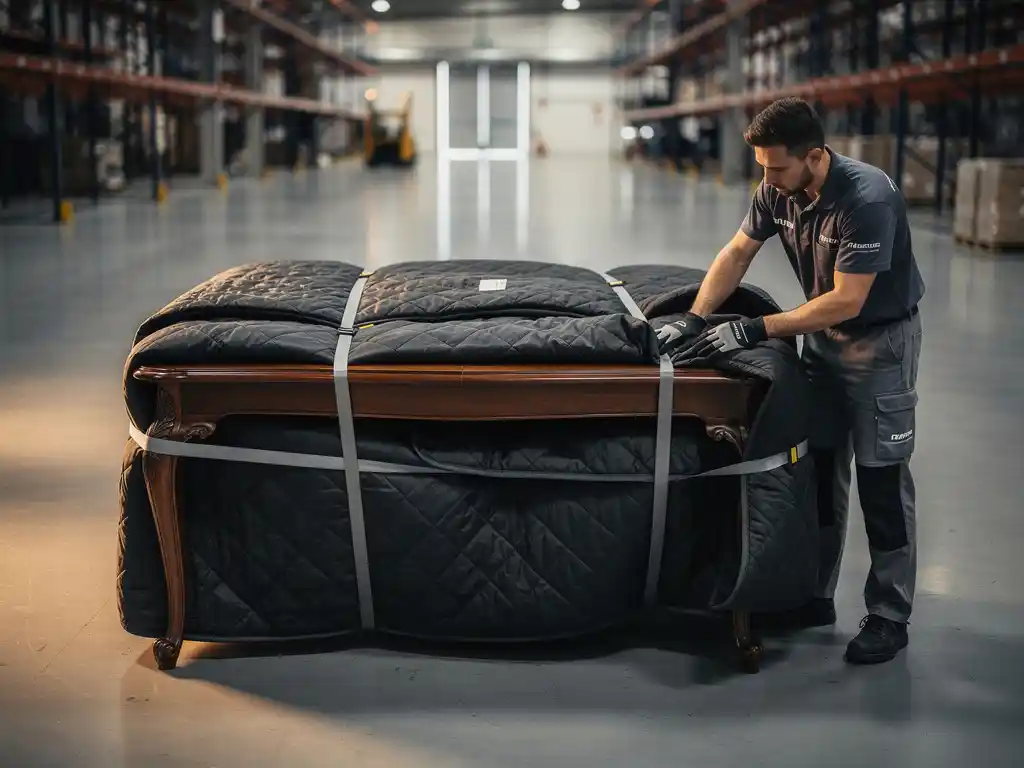
Delicate furniture pieces are packaged using multi-layer protection systems that include custom-fitted foam inserts, protective wrapping materials, and reinforced crating designed specifically for each item’s dimensions and vulnerability points. Professional packaging combines bubble wrap, furniture blankets, and cardboard corner protectors to create comprehensive barriers against damage.
The packaging process begins with a thorough assessment of each piece to identify potential damage points. Sharp corners receive extra padding with foam corner protectors, while glass surfaces are covered with specialized film and cushioning materials. For particularly valuable or fragile items, custom wooden crates provide maximum protection, with internal suspension systems that isolate the furniture from external shocks.
Moisture protection is achieved through the use of vapor barriers and desiccant packets, which is particularly important for wooden furniture that can warp or crack due to humidity changes. Disassembly is often used for complex pieces, with hardware carefully bagged and labeled to ensure proper reassembly at the destination.
What handling techniques protect furniture during loading and unloading?
Professional handling techniques for furniture protection include the use of specialized lifting equipment, team coordination protocols, and strategic positioning methods that minimize stress on furniture joints and surfaces. Trained personnel employ proper body mechanics and communication systems to ensure controlled movement throughout the loading and unloading process.
Equipment selection is crucial for safe furniture handling. Furniture dollies with soft wheels prevent scratching while distributing weight evenly. Lifting straps and harnesses allow handlers to maintain better control while reducing the risk of drops. For heavy pieces, hydraulic lift gates and conveyor systems eliminate the need for manual lifting over truck edges.
Team coordination involves clear communication protocols where one person serves as the movement director, calling out obstacles and coordinating timing. Handlers are positioned to support the furniture’s natural balance points, avoiding stress on weak joints or protruding elements. Pathways are cleared and protected with floor runners to prevent damage to both the furniture and the building surfaces.
How do logistics companies prevent damage during transit?
Logistics companies prevent furniture damage during transit through vehicle selection, load securement systems, route optimization, and real-time monitoring technologies that maintain stable transport conditions and minimize exposure to harmful vibrations or environmental factors. Climate-controlled vehicles and air-ride suspension systems provide additional protection for sensitive items.
Vehicle preparation involves selecting trucks with appropriate suspension systems and climate control capabilities. Air-ride suspension significantly reduces vibration transmission to the cargo, while climate control maintains consistent temperature and humidity levels. Load securement uses a combination of straps, bars, and padding systems to prevent shifting during transport.
Strategic load planning ensures that heavier items are positioned to provide stability while protecting lighter, more delicate pieces. Fragile items are typically loaded last and positioned away from areas prone to impact. GPS tracking and route optimization help avoid rough roads and reduce transit time, minimizing exposure to potential sources of damage.
How Jan Krediet helps with furniture protection
We specialize in comprehensive furniture logistics solutions that prioritize the protection of sensitive items throughout the entire project delivery process. Our approach combines decades of experience with advanced protective techniques to ensure your valuable furniture arrives in perfect condition.
Our furniture protection services include:
- Custom packaging solutions tailored to each furniture piece’s specific requirements
- Climate-controlled transport vehicles with air-ride suspension systems
- Specialized handling equipment and trained logistics professionals
- Real-time monitoring and tracking throughout the entire transport process
- On-site assembly and installation services for complete project delivery
As part of the global MACH-3000 network, we deliver furniture protection expertise to projects worldwide, ensuring consistent quality standards regardless of destination. Our innovative loading systems and comprehensive insurance coverage provide additional peace of mind for high-value furniture logistics projects.
Ready to protect your sensitive furniture during your next project logistics operation? Contact us today to discuss your specific requirements and discover how our specialized approach can safeguard your valuable furniture investments.