




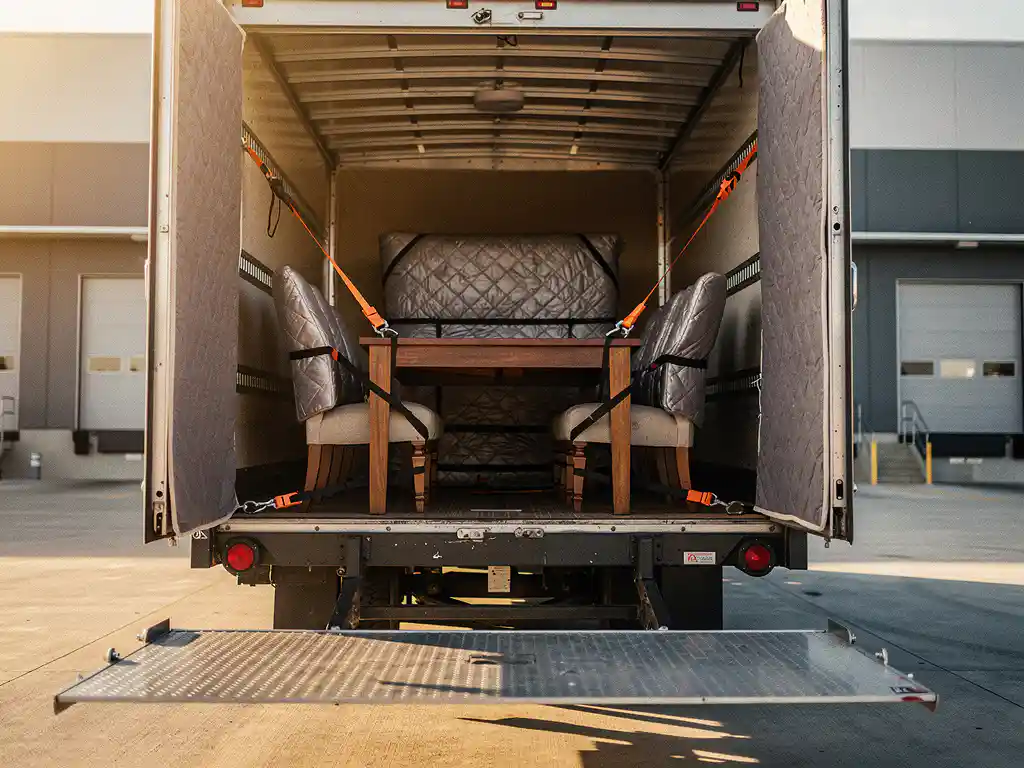
Moving furniture safely requires more than just loading items into a truck and hoping for the best. Whether you’re relocating your home or office, or managing a commercial project, furniture transport involves specialized techniques, proper equipment, and careful planning to prevent damage and ensure everything arrives in perfect condition.
From delicate antiques to bulky office desks, each piece presents unique challenges that standard moving approaches simply can’t address. Understanding the differences between furniture transport and regular moving can save you thousands in replacement costs and countless hours of frustration.
What makes furniture transport different from regular moving?
Furniture transport differs from regular moving because it focuses specifically on protecting high-value, often irreplaceable items that require specialized handling techniques and equipment. Unlike standard household goods, furniture pieces are typically larger, heavier, and more susceptible to damage from scratches, dents, and structural stress during transport.
Regular moving services often treat all items similarly, using basic padding and standard loading techniques. Furniture transport, however, requires an understanding of each piece’s construction, weak points, and optimal positioning. Antique wooden furniture needs different protection than modern metal office desks, and upholstered items require specific wrapping methods to prevent staining and fabric damage.
The stakes are also higher with furniture transport. A damaged lamp can be easily replaced, but a custom-built conference table or family heirloom represents significant financial and emotional value. Professional furniture movers use climate-controlled vehicles, specialized lifting equipment, and custom crating to ensure these valuable pieces arrive undamaged.
How do you prepare furniture for safe transport?
Preparing furniture for safe transport begins with thorough cleaning and documentation, followed by the disassembly of removable parts and the application of protective materials. Start by photographing each piece from multiple angles to document its existing condition and aid in reassembly.
Remove all drawers, shelves, and detachable components, wrapping them separately in bubble wrap or furniture pads. Secure loose hardware in labeled bags taped to the corresponding furniture piece. For upholstered items, vacuum thoroughly and apply plastic covers to prevent stains during transport.
Apply corner protectors to sharp edges and wrap entire pieces in moving blankets or furniture pads, securing them with stretch wrap or moving straps. Never use regular tape directly on furniture surfaces, as it can damage finishes. For valuable or antique pieces, consider custom wooden crates that provide maximum protection against impacts and environmental changes.
What equipment do you need for furniture transport?
Essential furniture transport equipment includes moving dollies, furniture straps, protective padding materials, and lifting tools designed to handle heavy, awkwardly shaped items safely. Professional-grade moving blankets, corner protectors, and stretch wrap form the foundation of proper furniture protection.
Specialized dollies are crucial for different furniture types. Four-wheel furniture dollies work best for heavy items like pianos and armoires, while appliance dollies with straps handle tall, narrow pieces. Shoulder straps and lifting belts help distribute weight properly and reduce the risk of injury when maneuvering bulky items.
For valuable pieces, invest in custom crating materials, including plywood, foam padding, and moisture barriers. Professional transport also requires tie-down straps rated for the furniture’s weight, load bars to prevent shifting, and climate-monitoring equipment for sensitive materials like leather or certain wood finishes.
Should you hire professionals or transport furniture yourself?
Hiring professional furniture transport services is recommended for valuable, antique, or large pieces, while DIY transport may work for smaller, less expensive furniture with proper preparation and equipment. The decision depends on the furniture’s value, your physical capabilities, and the equipment available to you.
Professional services bring specialized equipment, insurance coverage, and experience handling delicate items. They understand proper loading sequences, weight distribution, and protection techniques that prevent damage during transport. For office relocations or valuable antiques, professional expertise often saves money compared to potential replacement costs.
DIY transport works for sturdy, replaceable furniture when you have appropriate equipment and help. However, consider hidden costs like truck rental, equipment purchases, potential injury, and time investment. Many people underestimate the physical demands and technical knowledge required for safe furniture transport.
How do professional furniture transport services protect your items?
Professional furniture transport services protect items through comprehensive risk assessment, specialized equipment, and proven handling protocols that address each piece’s specific vulnerabilities. They begin with a detailed inventory and condition documentation, then apply appropriate protective materials and loading techniques.
Professionals use climate-controlled vehicles to prevent temperature- and humidity-related damage, which is especially important for wooden furniture and leather upholstery. They employ proper loading sequences that distribute weight evenly and prevent items from shifting during transport. Specialized lifting equipment reduces handling stress on furniture joints and surfaces.
Insurance coverage provides additional protection, with professional services typically offering replacement-value coverage for damaged items. Their systematic approach includes pre-transport planning, careful route selection to avoid rough roads, and experienced crews trained in furniture-specific handling techniques that minimize the risk of damage.
How Jan Krediet helps with furniture logistics
At Jan Krediet, we specialize in comprehensive project logistics solutions that extend far beyond basic furniture transport. Our expertise covers everything from delicate antique pieces to complete office relocations across more than 150 locations worldwide.
Our furniture transport services include:
- Custom crating and protective packaging for valuable pieces
- Climate-controlled transportation with real-time monitoring
- Professional assembly and installation at the destination
- International shipping with full customs handling
- Comprehensive insurance coverage and damage protection
Whether you’re moving a single antique cabinet or coordinating a complete corporate relocation, our experienced team handles every detail with precision and care. We understand that furniture represents both financial investment and personal attachment, which is why we treat every piece as if it were our own.
Ready to ensure your furniture arrives safely at its destination? Contact us today to discuss your specific transport needs and receive a customized logistics solution that protects your valuable pieces throughout their journey.