




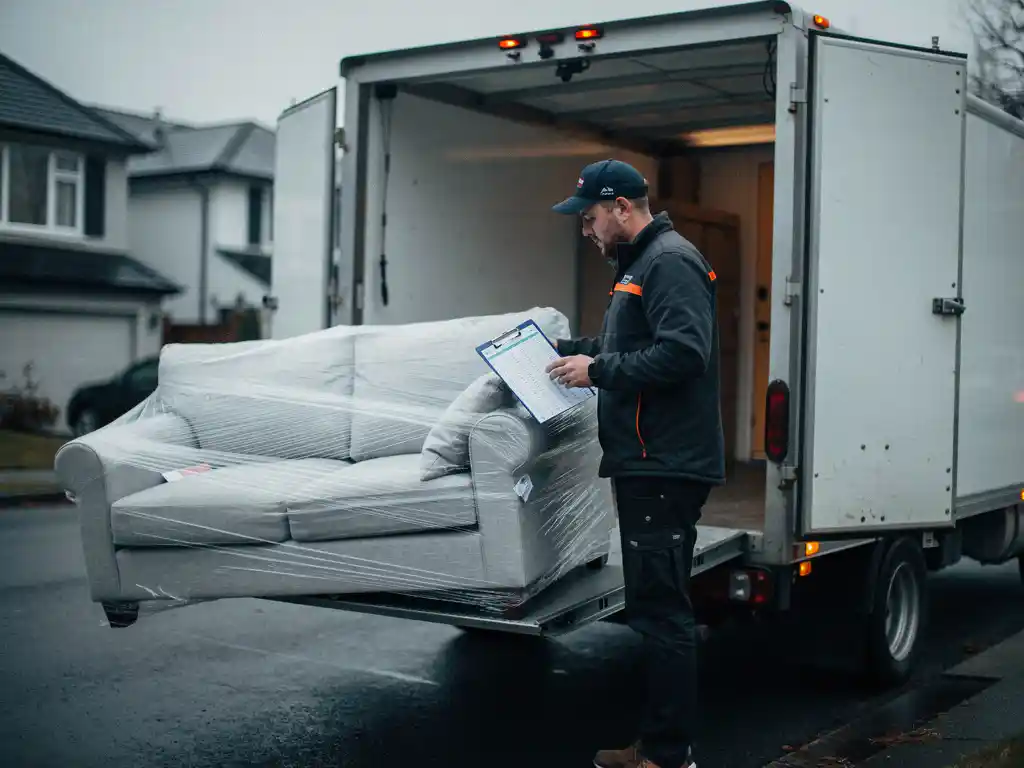
Furniture delivery scheduling is one of the most pressure-sensitive parts of any interior project. Whether you are furnishing a new office, completing a hotel fit-out, or coordinating a residential installation, a single timing mistake can stall an entire project and push back handover dates. Getting it right means working backwards from your deadlines, aligning every supplier and carrier, and building enough flexibility into the plan to absorb the unexpected.
This guide walks you through five practical steps to align furniture delivery with a tight schedule, from mapping your hard deadlines to confirming the final plan with everyone involved. Follow these steps in order and you will have a delivery plan that holds up under real-world pressure.
Map your delivery windows and hard deadlines
Start by identifying every fixed point in your project timeline that cannot move. These are your anchors, and all furniture logistics planning must work backwards from them. Hard deadlines might include a building handover date, a client opening event, a lease start, or a contracted installation date. Write them down with their exact dates and times before you do anything else.
- List every hard deadline in the project, including the final installation date and any intermediate milestones such as floor-by-floor completion or room-type sequencing.
- Identify the latest possible delivery date for each furniture category, accounting for the time needed to install, assemble, and inspect items before the deadline.
- Note any access restrictions at the delivery location, such as loading bay availability, lift bookings, site working hours, or building management rules that limit delivery windows.
- Flag any dates that are completely blocked, such as public holidays, parallel contractor activity, or periods when the site is inaccessible.
After completing this step, you should have a clear timeline showing your hard stops, your delivery windows, and the gaps in between. This becomes the foundation for every decision that follows. If the windows look too narrow at this stage, that is important information. It is far better to flag the problem now than to discover it when a truck arrives at a locked loading bay.
Coordinate lead times across your supply chain
With your delivery windows mapped, the next step is to work backwards through your supply chain and confirm whether lead times actually fit the plan. Furniture transport lead times vary significantly depending on the origin of goods, the complexity of the order, and the capacity of your carriers. Collecting this information early prevents last-minute surprises.
- Contact each supplier and confirm their current production or dispatch lead time, not the standard quoted lead time, but the actual lead time given current order volumes.
- Map each supplier’s confirmed dispatch date against your delivery windows to identify any gaps or conflicts.
- Account for customs clearance if any items are coming from outside the EU, as border processing times can add several days to an otherwise tight schedule.
- Identify which items are on the critical path, meaning those whose late arrival would delay the installation of other items, and prioritise their tracking and communication.
Once you have lead times confirmed from every supplier, overlay them against your delivery window map. Any supplier whose timeline does not fit needs to be addressed immediately, either by expediting production, adjusting the delivery sequence, or sourcing an alternative. Do not assume lead times will shorten on their own.
Choose the right delivery model for your timeline
Not every tight schedule furniture delivery situation calls for the same logistics approach. The delivery model you choose, whether direct delivery, consolidated shipment, or staged warehousing, has a significant impact on how much control you have over timing and sequencing.
Direct delivery
Direct delivery works well when all items are ready at the same time and the installation site can receive everything in a single window. It reduces handling and transit time but requires precise coordination between the supplier, carrier, and site team. Any delay at one point affects the entire delivery.
Consolidated or phased delivery
When items arrive from multiple suppliers at different times, consolidating them at a logistics hub before delivery gives you much greater control. Items are held until the full order is ready, then delivered in a planned sequence that matches the installation schedule. This approach is particularly useful for large-scale project logistics where multiple floors or zones need to be completed in a specific order.
Warehousing as a buffer
If some items arrive significantly earlier than others, using short-term warehousing as a buffer prevents goods from sitting unprotected on a construction site. This also protects finished furniture from damage during the final phases of a fit-out.
Select the model that best matches the complexity of your timeline and the number of suppliers involved. For projects with more than a handful of suppliers or strict installation sequences, a consolidated or phased approach almost always delivers better results than attempting direct deliveries from every source.
Build contingency time into the delivery plan
Every furniture logistics plan needs buffer time built in deliberately, not squeezed in as an afterthought. Delays in production, customs holds, vehicle breakdowns, and site access problems are all common enough to be treated as expected risks rather than unlikely events. A plan with no contingency is a plan that will fail under the first disruption.
- Add a buffer of at least two to three working days before your hard installation deadline for critical items, more if the supply chain involves international shipping or complex customs procedures.
- Identify a fallback delivery slot for each major delivery, meaning a confirmed alternative window if the primary slot cannot be met.
- Check whether your carrier has the capacity to expedite a delayed shipment if needed, and confirm the cost and lead time for that option in advance.
- Agree with your installation team on a minimum viable delivery, meaning the items that must arrive first to allow work to begin, so that partial progress is possible even if some items are delayed.
After building in contingency, review the overall plan to make sure the buffers are realistic and do not compress other parts of the schedule. Contingency time that exists only on paper does not help anyone. If the plan looks too tight even with buffers, that is a signal to revisit either the delivery model or the project deadline itself.
Confirm and communicate the plan with all parties
A well-built delivery plan only works if every party involved knows their role and their timing. Delivery coordination breaks down most often not because of logistics failures but because of communication gaps, where a site manager did not know a delivery was coming, or a supplier shipped without confirming the window. Final confirmation closes those gaps.
- Send a written delivery schedule to every supplier, carrier, and site contact, including exact delivery windows, contact names, and site access instructions.
- Confirm that the site team has booked loading bay access, lift reservations, and any permits required for large vehicle access on each delivery date.
- Set up a check-in process for the 48 hours before each delivery, where the carrier confirms the shipment is on schedule and the site confirms readiness to receive.
- Establish a single point of contact for the duration of the delivery phase so that any issue can be escalated and resolved quickly without confusion about who is responsible.
Once all parties have confirmed the plan in writing, do a final review to check that nothing has been missed. Verify that every delivery window is covered, every contact has the information they need, and every contingency option is documented. At this point, your furniture delivery scheduling plan is as robust as it can be before execution begins.
Tight schedules are manageable when you plan with discipline and communicate clearly. If you are working on a complex project and want a logistics partner with the experience to handle every part of the process, from transport and warehousing to on-site installation, get in touch with us to discuss how we can support your next project.