




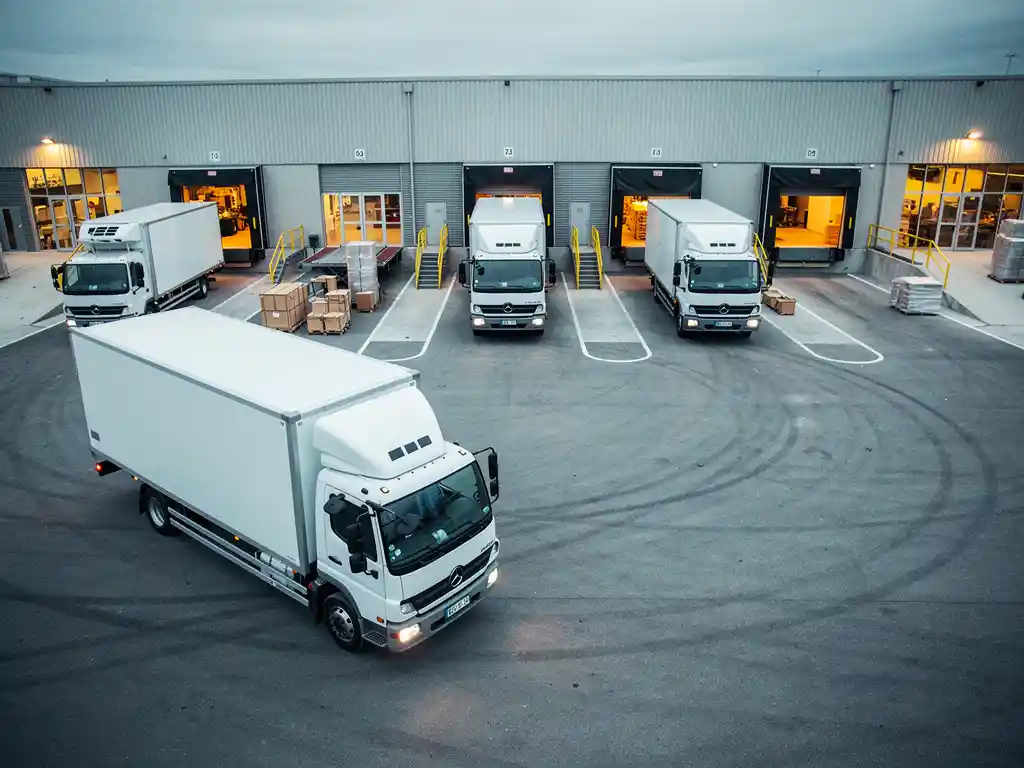
Opening five locations at once is one of the most complex logistical challenges a retail or hospitality business can face. Unlike a single-site launch, a simultaneous multi-location opening multiplies every coordination risk: supplier delays, access conflicts, missing stock, and overwhelmed on-site teams can all compound across sites at the same time. Getting it right requires a structured approach to multi-location opening logistics that leaves nothing to chance.
This guide walks you through the five core steps to coordinating deliveries across multiple locations simultaneously, from initial site assessment through to managing last-minute disruptions on launch day. Follow these steps and your rollout will run as a controlled, predictable operation rather than a series of parallel emergencies.
Map your delivery windows and site readiness first
Before you contact a single supplier or book a single truck, you need a clear picture of what each site can actually receive and when. Coordinating deliveries across multiple locations without this foundation is the single most common reason retail rollouts go wrong. Each site has its own access constraints, loading dock availability, staffing schedule, and construction or fit-out completion timeline.
- Visit or survey each location and document loading bay dimensions, access road restrictions, and any time-of-day delivery limitations imposed by the building or local authority.
- Confirm the fit-out or construction completion date for each site and build in a realistic buffer of at least two to three working days before your target delivery window.
- Map each site’s available delivery windows onto a shared calendar, noting conflicts such as overlapping peak traffic periods or shared access routes between nearby locations.
- Identify which sites have the most constrained access and flag these as high-priority planning inputs for your carrier scheduling.
After completing this step, you should have a site-by-site readiness matrix that shows the earliest and latest viable delivery window for each location. This document becomes the backbone of every scheduling decision that follows. If any site cannot confirm a completion date, do not proceed to supplier booking until it does.
Centralise your supplier and carrier communication
With your site windows mapped, the next step is to bring all supplier and carrier communication into a single, shared system. One of the biggest failure points in simultaneous store opening logistics is fragmented communication, where different team members are managing different suppliers through separate email threads, spreadsheets, or phone calls. Information gets lost, confirmations go unverified, and conflicts only surface on delivery day.
Set up a shared project folder or logistics coordination platform that everyone involved can access. Assign one person as the central logistics coordinator who owns all inbound communication from suppliers and carriers. Every delivery confirmation, amendment, and exception must pass through this single point.
- Create a master delivery schedule document listing every supplier, the goods they are delivering, the destination site, the confirmed delivery window, and the carrier responsible.
- Send each supplier a standardised briefing document that includes the correct delivery address, access instructions, the name of the on-site contact, and the confirmed time window.
- Request written confirmation from every supplier and carrier within a defined deadline, at least two weeks before the first delivery date.
- Log all confirmations in the master schedule and chase any outstanding ones immediately.
Once all confirmations are in, you have a single source of truth for the entire rollout. Any change to this document must be communicated to all affected parties within the same working day. Our project logistics services include centralised coordination support for exactly this kind of multi-site rollout, which can significantly reduce the administrative load on your internal team.
Sequence your deliveries across locations strategically
With a confirmed master schedule in place, the next task is to sequence deliveries intelligently across all five locations. Random or supplier-driven sequencing leads to bottlenecks, idle waiting time, and situations where a site receives finishing materials before the structural furniture has arrived. Strategic sequencing in retail rollout delivery coordination means thinking about dependencies, geographic routing, and resource availability simultaneously.
Start by identifying delivery dependencies at each site. Heavy or structural items such as shelving, fixtures, and large furniture must always arrive before smaller accessories or decorative elements. Group deliveries by category and sequence them in installation order, not in the order that happens to be most convenient for individual suppliers.
- List all deliveries for each site and assign each one a dependency tier: tier one for structural and base installations, tier two for fitted elements, tier three for finishing and stock.
- Schedule tier one deliveries first across all sites, then tier two, and so on, rather than completing one site fully before moving to the next.
- Cluster geographically close sites into the same carrier runs where possible to reduce transport costs and improve schedule reliability.
- Build a minimum two-hour buffer between consecutive deliveries at the same site to absorb minor delays without cascading into the next slot.
After sequencing, review the master schedule to check that no single site has more than two major deliveries on the same day unless it has the staff and space to handle them concurrently. Overloading a site on a single day is one of the most predictable ways to create damage, confusion, and delays.
Assign on-site contacts and define handover procedures
Even the most precise delivery schedule will break down if the people on the ground at each location do not know what to do when a truck arrives. Every site needs a designated on-site contact who is empowered to accept deliveries, verify contents against a packing list, flag discrepancies, and sign off on handover documentation. This is not a role that can be shared between multiple people without a clear primary.
Brief each on-site contact personally before the rollout begins. Do not rely on written instructions alone. Walk them through the expected delivery sequence for their site, the documentation they need to check at each handover, and the escalation path if something is wrong or missing.
- Assign one named on-site contact per location with a direct mobile number that is shared with all carriers delivering to that site.
- Provide each contact with a printed delivery schedule for their site, a copy of the packing lists for each expected delivery, and a simple checklist for verifying goods on arrival.
- Define a clear handover procedure: the contact checks quantity and visible condition before signing, notes any discrepancies on the delivery documentation, and photographs any damage immediately.
- Establish a direct reporting line from each on-site contact to the central logistics coordinator so that issues are escalated in real time rather than discovered at the end of the day.
Once handover procedures are in place across all five sites, you have closed the loop between your central coordination and what actually happens on the ground. This step is where many rollouts either succeed cleanly or unravel, so invest time here proportional to the scale of what is being delivered.
Handle last-minute changes without derailing the rollout
No matter how thoroughly you have planned, last-minute changes are a certainty in logistics planning for multiple openings. A supplier misses a production deadline, a carrier has a vehicle breakdown, a site access window gets shortened by a building manager. The question is not whether disruptions will happen but whether your team has the structure to absorb them without cascading failures across all five locations.
Prepare a contingency protocol before the rollout begins, not during it. This means knowing in advance which deliveries are critical-path items that would delay an opening if they miss their window, and which can be rescheduled by one or two days without consequence. Prioritise your response effort accordingly when disruptions occur.
- Mark all critical-path deliveries in the master schedule with a clear indicator so the coordinator can immediately identify which disruptions require urgent escalation.
- Identify backup carrier options for each location before the rollout, so that if a primary carrier fails, you have an alternative contact ready to activate within hours.
- Establish a daily check-in call or message thread with all on-site contacts during the delivery period to surface emerging issues before they become crises.
- If a delivery must be rescheduled, update the master schedule immediately and notify all downstream parties, including the on-site contact, the receiving carrier, and any supplier whose delivery depends on the rescheduled item arriving first.
With your contingency protocol active, your team can respond to disruptions from a position of preparation rather than panic. If you are managing a rollout of this complexity for the first time or operating across international locations, working with an experienced project logistics partner can provide the operational depth and local knowledge to handle exceptions quickly. We have supported rollouts across more than 150 locations worldwide, and the ability to act fast when something unexpected happens is often what separates a successful opening from a delayed one. You can explore how we have approached similar projects or get in touch to discuss your specific rollout requirements.