




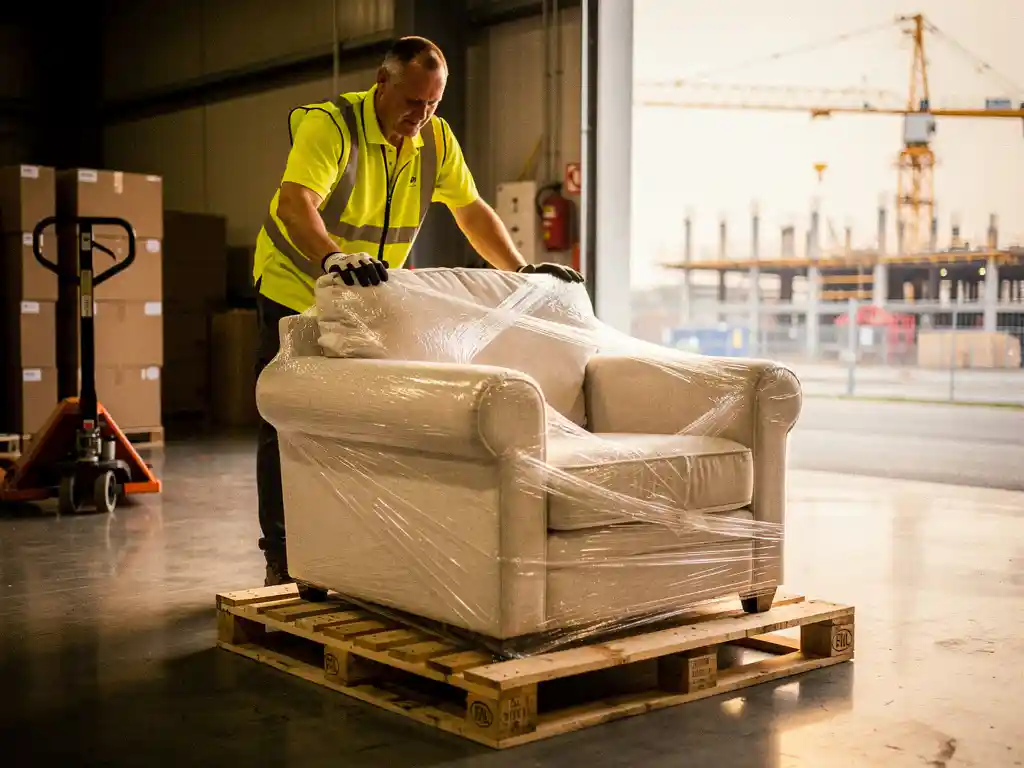
Delivering furniture to a construction site is one of the more demanding challenges in project logistics. Unlike a standard home or office delivery, a construction environment introduces unpredictable access conditions, ongoing work by other trades, and surfaces that can damage goods in seconds. Getting it right requires preparation that starts long before the truck leaves the warehouse. This guide walks you through each stage of a damage-free furniture delivery to a construction site, from initial site assessment through to final condition sign-off.
Whether you are coordinating a single floor fit-out or a multi-phase hotel installation, the principles are the same: plan thoroughly, protect carefully, and document everything. Follow these steps to give your furniture the best possible chance of arriving in perfect condition.
Assess site conditions before delivery day
Start your process weeks before the scheduled delivery by gathering detailed information about the construction site. A site visit or a structured questionnaire sent to the site manager will reveal constraints that can derail even the best-organized furniture transport operation. Knowing what you are walking into allows you to adapt your plan rather than improvise under pressure.
- Confirm whether the building has a designated goods entrance and whether it is accessible by the vehicle size you plan to use.
- Identify floor protection requirements. Find out whether the site manager requires hard floor protection sheets, stair covers, or lift padding before any goods can enter.
- Check lift dimensions and weight limits. A standard freight lift may not accommodate large wardrobes, kitchen units, or modular seating in assembled form.
- Establish whether other trades will be working on delivery day and whether a time slot can be reserved to give your team clear access.
- Confirm the state of the floors and corridors. Wet screed, freshly painted walls, and loose cables are all hazards that affect how and where you can move goods.
After completing this assessment, you should have a written site brief that your transport and installation teams can reference. If a site visit reveals serious access limitations, this is the moment to renegotiate the delivery schedule rather than discover the problem on the day.
Package and protect furniture for construction environments
Standard retail or showroom packaging is rarely sufficient for a construction site delivery. Dust, moisture, sharp debris, and heavy foot traffic create conditions that will damage unprotected furniture within hours. Upgrading your packaging to match the environment is one of the highest-return investments you can make in the entire process.
Consider the specific risks at your site and select protection materials accordingly:
- Corner and edge guards made from foam or cardboard protect the most vulnerable points during handling and transit.
- Stretch wrap applied over original packaging keeps dust and moisture out and holds protective layers in place.
- Furniture blankets and transit covers absorb impact during loading and unloading and protect surfaces from contact with other items.
- Custom crating is worth considering for high-value or fragile pieces such as glass table tops, designer chairs, or bespoke cabinetry.
Label every package clearly with the destination room or zone, the correct orientation, and any fragile or handle-with-care instructions. Clear labeling reduces the chance of items being stacked incorrectly or moved to the wrong floor by site workers who are not part of your delivery team.
Plan the transport route and vehicle setup
With your site assessment complete and your packaging sorted, the next step is configuring the transport leg of the operation. The vehicle you choose and the way it is loaded directly affect whether furniture arrives undamaged, regardless of how well it was packaged. Specialist furniture transport vehicles are equipped with load restraint systems, air-ride suspension, and internal padding that standard cargo trucks do not have.
- Select a vehicle with the right internal dimensions for your largest items. Measure pieces in their packaged state, not just their assembled dimensions.
- Plan the load sequence in reverse delivery order. Items needed first on site should be loaded last so they are accessible without unloading everything else.
- Secure every item using load bars, straps, or blocking to prevent movement during transit. Even minor shifting on a long route can crack glass, chip lacquered surfaces, or dent metal frames.
- Map the route in advance, checking for low bridges, weight-restricted roads, or access restrictions near the construction site. Confirm parking or unloading bay availability for the scheduled time window.
Before departure, walk through the loaded vehicle and verify that nothing moves when you apply gentle pressure. If anything shifts, add more restraint before the truck leaves. A few minutes at the loading dock prevents hours of damage claims later.
Coordinate the on-site delivery process
Arriving at a construction site without coordination in place is one of the most common causes of damaged goods and missed deadlines. The site is a shared workspace, and your delivery team needs to operate within its rules while maintaining control of their own process. Good coordination means everyone on site knows your team is coming, what they need, and how long they will be there.
Confirm the following with the site manager the day before delivery:
- The arrival time window and who will be on site to receive the delivery.
- Which entrance to use and whether it will be clear of other vehicles or equipment.
- Whether floor protection is already in place or whether your team is responsible for laying it.
- The sequence in which rooms or zones should be filled, particularly if other trades are still finishing work in parts of the building.
On the day, assign one person from your team as the single point of contact with the site manager. This prevents conflicting instructions from reaching your delivery crew and keeps decision-making fast. Our project logistics team always designates a dedicated coordinator for on-site operations, and it consistently reduces delays and miscommunication. Move furniture directly to its destination zone rather than staging it in corridors where it risks being knocked, scratched, or moved by other workers.
Inspect and document furniture condition on arrival
The final step is one that many teams skip when they are tired at the end of a long delivery day, and it is the step that matters most when something goes wrong. A thorough condition inspection at the point of delivery protects everyone involved, from the logistics provider to the client and the end user.
- Remove packaging carefully and inspect each piece before it is placed in its final position. Check all surfaces, corners, legs, and mechanisms under good lighting.
- Photograph any pre-existing damage that was present before delivery began. This creates a clear record that separates transit damage from site damage.
- Note any new damage discovered during unpacking, including the nature of the damage and the item reference number.
- Have the site manager or client representative sign a delivery confirmation that includes the condition status of each item. If damage is found, record it on the delivery note before signing.
Once all items are inspected and documented, file your records immediately rather than leaving it until later. Digital photos with timestamps, signed delivery notes, and a written summary give you a complete evidence trail if a claim arises. This documentation also feeds valuable information back into your planning process for future construction site logistics projects, helping you refine packaging, routing, and on-site procedures over time.
Delivering furniture undamaged to a construction site is entirely achievable when each stage of the process is treated with the same care. If you are managing a large-scale or complex fit-out and want to explore how professional project furniture logistics can take the pressure off your team, get in touch with us to discuss your requirements.