




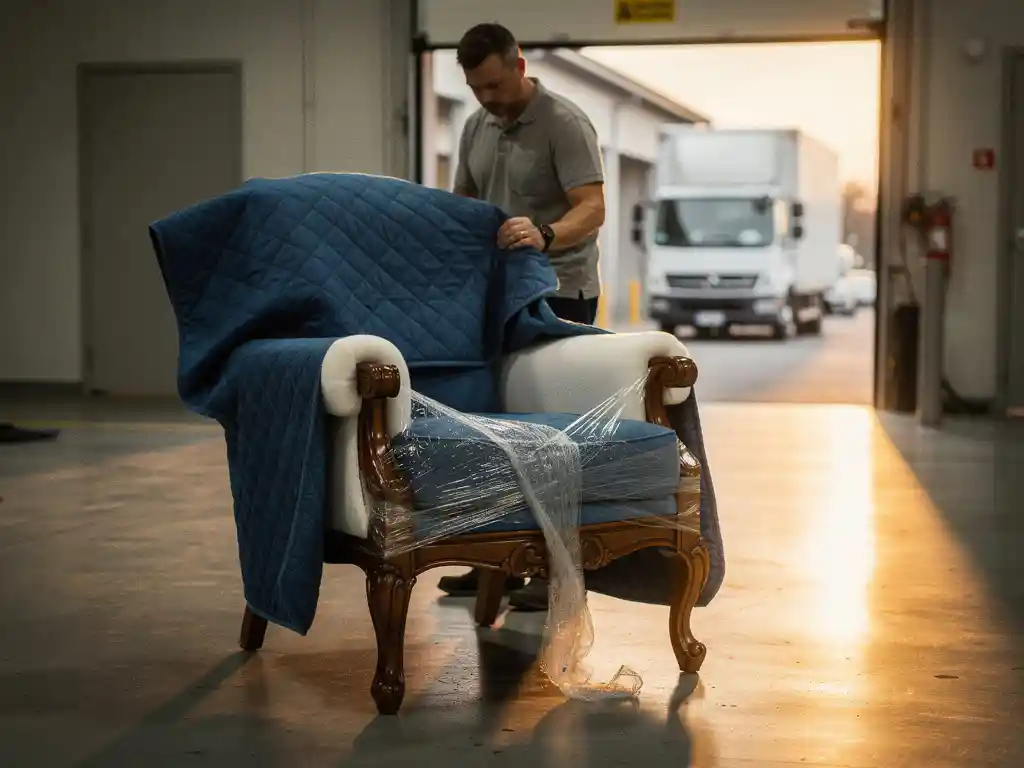
Furniture transport is one of those tasks where the details genuinely matter. A scratch on a dining table, a dented cabinet corner, or a broken chair leg can turn a straightforward delivery into a costly problem. Whether you are shipping a single sofa or coordinating a full office fit-out, the principles for protecting furniture during transport remain the same: prepare thoroughly, pack correctly, load carefully, and verify on arrival.
This guide walks you through each stage of the process so you can ensure undamaged furniture delivery every time. Follow these steps in order, and you will significantly reduce the risk of damage regardless of the distance or complexity of the shipment.
Prepare furniture correctly before loading
Good furniture transport starts well before the vehicle arrives. Preparation is the foundation of every successful delivery, and skipping it is one of the most common reasons furniture arrives damaged. Before anything is wrapped or moved, take time to assess each piece individually.
- Disassemble where possible. Remove legs, shelves, drawers, and doors from larger pieces. Smaller components are easier to protect and less likely to be damaged in transit.
- Clean all surfaces before wrapping. Dust and grit trapped under protective materials can cause fine scratches during movement.
- Label every component and its corresponding hardware. Use numbered bags for screws and bolts so reassembly is straightforward at the destination.
- Identify fragile or high-value items in advance and flag them for extra protection during packing.
Once disassembly is complete, group related components together and keep them in a designated staging area. This makes the packing and loading stages much more efficient and reduces the chance of a component being overlooked or mishandled.
Choose the right packaging materials for each piece
Not all furniture packaging is equal. The right materials depend on the material, finish, size, and fragility of each piece. Using generic packaging across the board is a common mistake that leads to preventable damage during furniture shipping.
Match your materials to the job:
- Bubble wrap: Ideal for glass panels, mirrors, and polished surfaces. Wrap tightly and secure with tape, but avoid letting tape touch bare wood or lacquered finishes directly.
- Moving blankets or furniture pads: Essential for upholstered pieces, wooden furniture, and anything with a delicate surface. They absorb impact and prevent surface-to-surface contact.
- Cardboard corner protectors: Use these on all sharp edges and corners, which are the most vulnerable points during loading and unloading.
- Stretch film: Wrap over blankets to hold them in place and keep drawers and doors from opening during transit.
- Foam sheeting: Place between stacked items or around particularly fragile components to cushion against vibration.
Once each piece is wrapped, confirm that no surface is exposed and that all protective layers are secure before moving to loading. A well-packaged item should feel firm and stable in your hands, with no loose sections that could shift during transport.
Load and secure furniture safely in the vehicle
With your furniture correctly packaged, the next critical step is loading it into the vehicle in a way that prevents movement and minimises impact. Poor loading technique is responsible for a large proportion of furniture damage claims, even when packaging is excellent.
- Load the heaviest and most robust items first, placing them at the front of the vehicle nearest the cab. This distributes weight correctly and creates a stable base.
- Stand tall items such as wardrobes and cabinets upright rather than laying them flat. Placing furniture on its side can stress joints and warp frames over long distances.
- Place upholstered pieces such as sofas and chairs on top of or away from hard items to avoid pressure damage.
- Fill gaps with moving blankets or foam to prevent items from shifting. Empty space inside a loaded vehicle is a primary cause of movement damage.
- Use load straps or cargo bars to secure larger pieces firmly against the vehicle walls. Check that straps do not press directly against unprotected surfaces.
After loading, give the vehicle a gentle rock or simulate a turn to check for any movement inside. If you hear or feel shifting, add more padding or adjust the strapping before departure. A properly loaded vehicle should feel solid and quiet when moving.
For large-scale or complex shipments, our specialist furniture transport service uses innovative swap-body systems that reduce loading and unloading times while keeping furniture secure throughout the journey.
Plan the route and transport conditions
Even perfectly packaged and loaded furniture can be damaged by a poorly planned journey. Route planning is an often-overlooked part of furniture logistics, yet it directly affects the condition of goods on arrival.
- Choose routes that avoid unnecessary rough roads, steep inclines, or areas with heavy stop-start traffic where possible. Constant braking and acceleration create vibration and impact stress on furniture joints.
- Check weather conditions in advance. Extreme heat can warp wood and damage adhesives, while moisture can penetrate packaging and cause swelling or mould on upholstered pieces.
- For long-distance or international furniture shipping, consider climate-controlled vehicles for high-value or antique items.
- Plan delivery windows to allow adequate time for careful unloading. Rushed deliveries lead to careless handling.
Communicate the route plan and any specific handling requirements clearly to the driver before departure. If the shipment involves multiple stops, confirm the unloading sequence so that items are accessible in the right order and nothing has to be moved unnecessarily.
Inspect and document furniture upon delivery
The final step in protecting furniture during transport is a thorough inspection at the point of delivery. This step is essential for identifying any damage that may have occurred and for maintaining accountability throughout the supply chain.
- Inspect each piece before removing packaging. Look for any visible deformation, tears in wrapping, or signs of impact on the outer layers.
- Remove packaging carefully and inspect all surfaces, corners, and joints under good lighting. Do not rush this process, especially for high-value items.
- Compare the condition of each item against a pre-transport condition report or photographic record taken before loading.
- Document any damage immediately with photographs and written notes before signing any delivery confirmation.
- Report discrepancies to the logistics provider without delay. Prompt reporting is essential for any insurance or claims process.
Establish a clear inspection checklist before the delivery takes place so that nothing is missed in the moment. When both sender and recipient follow the same documentation process, resolving any disputes becomes straightforward and fair. Consistent documentation also helps identify patterns in how and where damage occurs, making future shipments progressively safer.
Protecting furniture during transport is ultimately a process of attention and discipline at every stage. When each step is followed carefully, from preparation through to final inspection, the result is reliable, undamaged furniture delivery that builds trust with clients and reduces costly claims. If you are managing regular or high-volume furniture logistics, get in touch with us to discuss how we can support your supply chain from end to end.