




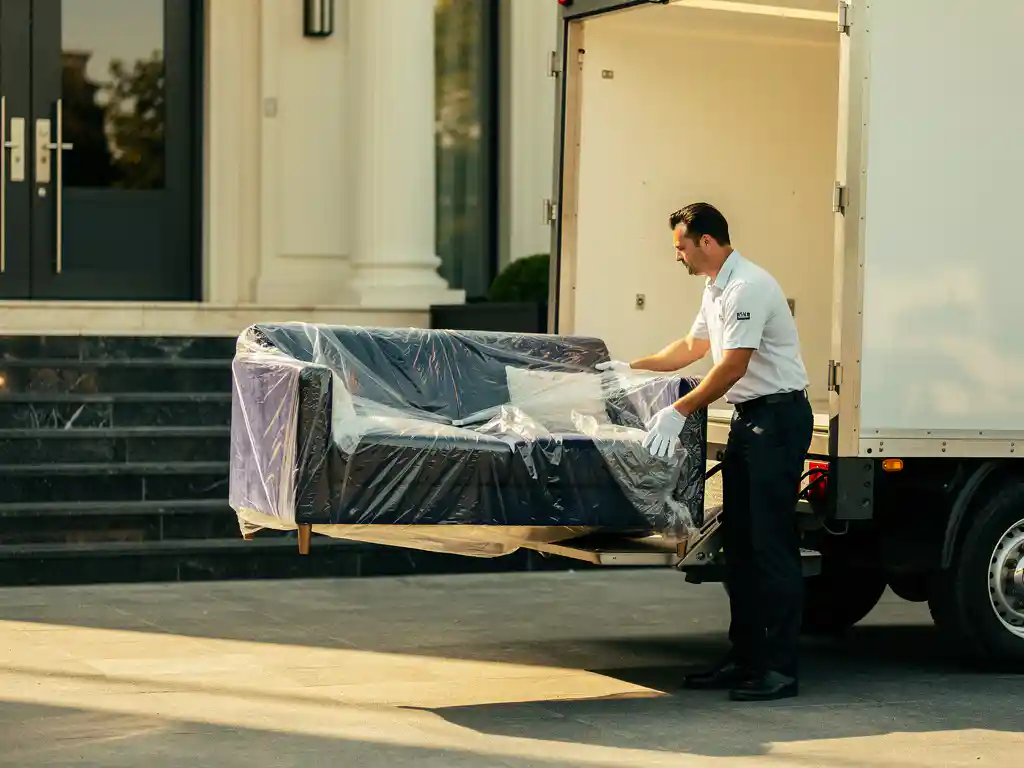
Your brand makes a promise. The packaging is refined, the product is premium, and the customer experience on your website is carefully crafted. Then the delivery happens, and everything falls apart. A rushed handover, a scuffed item, no communication about timing, and suddenly the brand impression you worked so hard to build is undone in the final few metres. This is the delivery mismatch, and it is far more common than most premium brands realise.
This guide walks you through five practical steps to close the gap between your brand promise and the last mile delivery experience your customers actually receive. Follow these steps and you will have a clear framework for turning delivery into a genuine extension of your brand rather than its weakest point.
Identify where the brand-delivery gap actually occurs
Before you can fix the mismatch, you need to know exactly where it lives. The gap between a premium brand and the delivery experience rarely happens in one place. It tends to show up at multiple touchpoints across the customer journey, and diagnosing them specifically is the first step toward resolving them.
- Map the full delivery journey from the moment an order is confirmed to the moment the item is in the customer’s home or workspace.
- Identify every customer-facing touchpoint: order confirmation, dispatch notification, estimated arrival window, driver interaction, handover process, and any follow-up communication.
- Collect feedback specifically tied to delivery. Look at reviews, support tickets, and return reasons for language that signals a mismatch between expectation and reality.
- Note where your brand voice, visual identity, and service standards disappear. This is often at the point where your internal team hands off to a third-party logistics provider.
After completing this audit, you should have a clear list of specific failure points rather than a vague sense that “delivery could be better.” Common findings include inconsistent communication windows, untrained delivery personnel, and packaging that does not reflect the product’s premium positioning. With these gaps documented, you are ready to define what good should look like.
Define clear delivery standards that match your brand promise
Define your delivery standards the same way you define your product standards: with precision and non-negotiables. Vague expectations produce vague results. If your brand positions itself as premium, your delivery specification needs to reflect that at every level.
Start by translating your brand values into measurable delivery behaviours. If your brand promise is built around care and attention to detail, that means white-glove handling, room-of-choice placement, and packaging removal as standard, not as an upgrade. If your promise is reliability, that means confirmed time windows, not day-long slots.
- Write a delivery standard document that covers: communication frequency, arrival window precision, handling requirements, presentation at the door, and what happens when something goes wrong.
- Define what “on brand” looks like for each touchpoint. For example: the driver introduces themselves by name, the item is inspected before handover, and the customer is asked if they need anything before the team leaves.
- Set minimum thresholds for each standard so performance can be measured objectively later.
Once your standards are written down, they become the benchmark for every logistics conversation you have going forward. You cannot hold a partner accountable to expectations that were never articulated.
Select a logistics partner built for premium delivery
Not every logistics provider is equipped to deliver a premium brand experience. Most are optimised for speed and volume, which works well for commodity goods but creates friction when your product requires careful handling, skilled assembly, or a considered customer interaction.
When evaluating logistics partners for premium last mile delivery, look beyond price and capacity. The right partner understands that the delivery moment is a brand moment. For furniture, interior, and high-value goods in particular, this means looking for providers with demonstrated expertise in handling complex, high-value items and experience managing the customer-facing elements of delivery.
- Does the provider have experience with your product category? Furniture, kitchens, and fitted interiors require specialist knowledge and equipment.
- Can they offer two-person delivery teams for large or heavy items?
- Do they provide assembly, installation, or packaging removal as part of the service?
- What does their communication infrastructure look like? Can they send branded notifications to your customers?
- Do they operate internationally if your customer base requires it?
We have built our furniture transport service specifically around these requirements, with specialist teams trained in handling premium goods and a network that covers logistics solutions across more than 150 locations worldwide. When you shortlist partners, ask for references from brands in your sector and test their processes with a pilot before committing at scale.
Align your logistics partner on brand expectations
Selecting the right partner is only half the work. The other half is making sure they understand and operate within your brand standards from day one. This requires deliberate onboarding, not an assumption that a good logistics provider will automatically know what your brand needs.
- Share your delivery standard document with your partner and walk through it together. Discuss each requirement and confirm they can meet it operationally.
- Arrange a joint briefing session that includes the people who will actually be delivering to your customers, not just the account management team.
- Provide brand guidelines relevant to delivery: how to greet customers, how to handle complaints on the doorstep, what to do if an item is damaged, and how to represent your brand in every interaction.
- Agree on escalation procedures so that when something goes wrong, both teams know exactly how to respond and who is responsible for communicating with the customer.
A well-aligned logistics partner becomes an extension of your team. The delivery crew may be the only human contact your customer has with your brand after purchase. That interaction needs to feel consistent with everything else you have built. With alignment established, the final step is making sure it stays that way over time.
Monitor delivery performance against brand standards
Standards only hold if they are actively measured. Set up a monitoring process that tracks delivery performance against the specific benchmarks you defined earlier, and review it regularly with your logistics partner.
- Implement a post-delivery customer survey that asks specifically about the delivery experience: timing accuracy, team professionalism, item condition, and overall satisfaction.
- Track these results against your defined minimums on a monthly basis and flag any touchpoint where scores fall below the threshold.
- Build a regular review cadence with your logistics partner, at least quarterly, where you share performance data and address patterns rather than just individual incidents.
- Use complaint and return data to identify systemic issues. A single damaged delivery is an incident; five in one month is a process problem.
Monitoring transforms your delivery standards from a document into a living process. When your logistics partner knows that performance is being tracked and reviewed, the standards stay active rather than fading after the initial onboarding. Over time, this feedback loop also gives you the data to refine your standards and raise the bar as your brand grows.
Closing the gap between a premium brand and the delivery experience is not a one-time fix. It is a discipline that requires clear standards, the right partner, and consistent oversight. Get these five steps right and your last mile delivery stops being a liability and starts being one of the most powerful touchpoints in your entire customer experience. To learn more about how we approach premium logistics, visit our about us page or get in touch to discuss your specific requirements.