




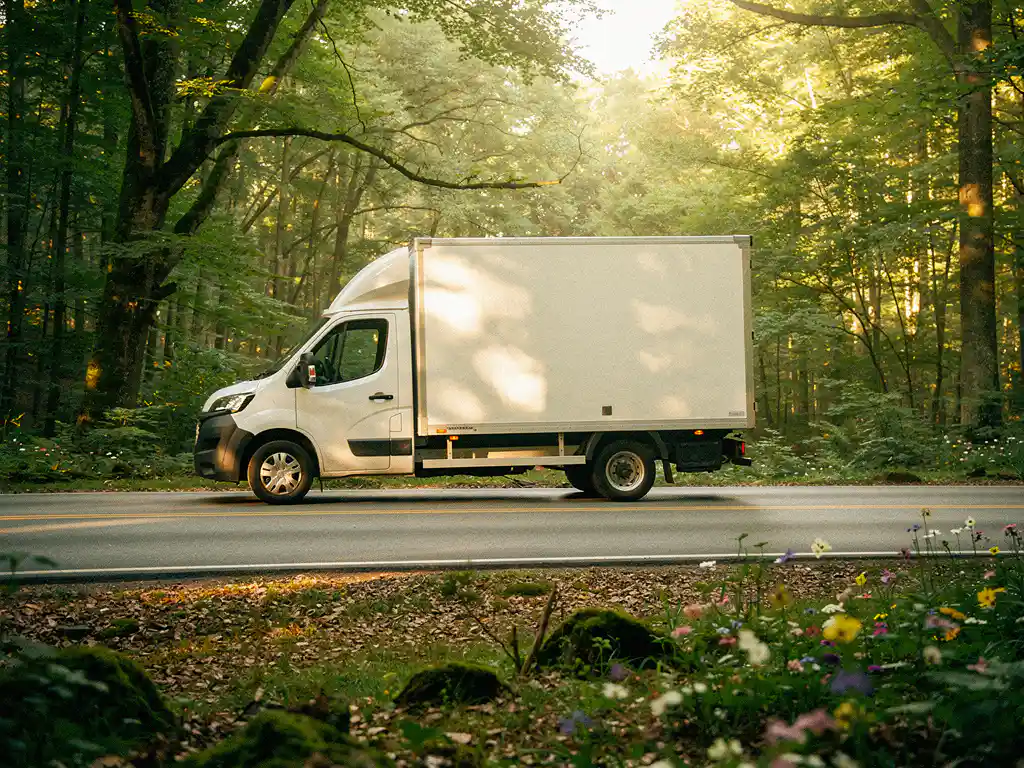
The furniture industry faces growing pressure to reduce its environmental impact, and transport is one of the biggest contributors to that footprint. Whether you move furniture locally, across Europe, or globally, every kilometre driven and every shipment dispatched carries a carbon cost. The good news is that sustainable furniture transport is not only achievable but increasingly practical, thanks to better technology, smarter planning, and stronger industry partnerships.
This guide walks you through six concrete steps to make your furniture transport operations greener. Each step builds on the last, so by the end you will have a clear roadmap for reducing emissions, cutting waste, and building a more resilient, eco-friendly supply chain.
Assess your current furniture transport footprint
Before you can improve your sustainable logistics performance, you need to understand where you stand today. A baseline assessment gives you the data to prioritise action and measure progress over time. Without it, any changes you make are guesswork.
- Gather your transport data for the past 12 months, including total kilometres driven, number of shipments, vehicle types used, and fuel consumption figures.
- Calculate your CO2 emissions using a recognised methodology such as the GLEC Framework or the NEN-EN 16258 standard, both of which are widely used in European logistics.
- Identify your highest-impact routes and shipment types. Long-haul international runs and low-fill shipments typically generate the most emissions per unit delivered.
- Map out where your supply chain partners fit into your emissions picture. Subcontracted transport often accounts for a significant share of scope 3 emissions.
After completing this step, you should have a clear emissions baseline broken down by route, vehicle type, and shipment category. This document becomes your reference point for every improvement you make going forward. If your data is incomplete, start collecting it now and use estimates where necessary, noting their limitations clearly.
Optimise load capacity to cut empty kilometres
Empty or half-loaded trucks are one of the most avoidable sources of waste in furniture transport sustainability efforts. In many furniture logistics operations, vehicles return empty after delivery, or depart before they are fully loaded. Addressing this directly reduces fuel use, emissions, and cost simultaneously.
Review your current load fill rates across all routes. Industry experience shows that even modest improvements in average load utilisation, moving from 70% to 85% for example, can produce meaningful reductions in total kilometres driven and fuel burned.
- Consolidate shipments where possible by batching orders destined for the same region or delivery window rather than dispatching on demand.
- Explore backload opportunities by coordinating with other shippers or logistics networks to fill return journeys that would otherwise run empty.
- Use route planning software to optimise delivery sequences and reduce total distance driven across your network.
- Evaluate whether your current vehicle mix matches your actual load profiles. Running large trucks on small loads is inefficient; a mix of vehicle sizes gives you more flexibility.
With load optimisation in place, you should see a reduction in the number of vehicle movements needed to fulfil the same volume of orders. Track your average load fill rate monthly and set a target to improve it incrementally each quarter.
Switch to cleaner vehicles and fuel alternatives
Vehicle technology is advancing rapidly, and in 2026 there are more viable alternatives to diesel than ever before. Transitioning your fleet, or working with carriers who have already done so, is one of the most impactful steps in building green logistics operations.
The right alternative depends on your route profiles, payload requirements, and available infrastructure. There is no single solution that fits every operation, so evaluate options based on your specific needs rather than following a one-size-fits-all approach.
- Electric vehicles (EVs): Well suited to urban and short-range deliveries. Charging infrastructure is expanding rapidly across European cities.
- Hydrotreated Vegetable Oil (HVO): A drop-in alternative to diesel that can reduce lifecycle CO2 emissions significantly and requires no engine modifications.
- Compressed Natural Gas (CNG) and Liquefied Natural Gas (LNG): Viable for longer hauls where electric range is currently insufficient.
- Hydrogen fuel cells: An emerging option for heavy long-distance transport, with infrastructure still developing across Europe.
Start by identifying which routes in your network are best suited to each alternative. Urban last-mile deliveries are the natural starting point for electrification, while HVO can be introduced across your existing fleet almost immediately. Set a phased transition plan with clear milestones rather than attempting a full fleet switch at once.
Redesign packaging to reduce weight and waste
Packaging plays a larger role in eco-friendly furniture shipping than it might initially appear. Heavy or oversized packaging increases vehicle weight and reduces load efficiency. Single-use materials add to landfill. Redesigning your packaging approach addresses both problems at once.
- Audit your current packaging materials and identify which are heaviest, bulkiest, or least recyclable.
- Work with your packaging suppliers to source lighter-weight alternatives that maintain the same protective performance. Corrugated honeycomb materials, for example, offer strong protection at a fraction of the weight of traditional foam or timber.
- Introduce reusable packaging systems for high-frequency routes. Returnable blankets, transit frames, and reusable crates reduce waste and often lower cost per trip over time.
- Right-size your packaging so that boxes and protective materials match the actual dimensions of the furniture being shipped, eliminating void fill and reducing total shipment volume.
After redesigning your packaging, measure the impact on average shipment weight and volume. Even small reductions in packaging weight compound across thousands of shipments each year. Communicate your packaging improvements to customers and partners as part of your broader sustainability story.
Partner with logistics providers that have green credentials
Your own operations are only part of the picture. The carriers, warehouses, and logistics partners you work with contribute directly to your overall transport emissions. Choosing partners with genuine sustainable logistics commitments strengthens your entire supply chain.
Look beyond marketing claims and focus on verifiable performance. A credible green logistics partner will be able to share emissions data, explain their fleet transition plans, and demonstrate membership of recognised sustainability programmes.
- Ask prospective partners for their CO2 reporting methodology and whether they follow an established standard such as GLEC.
- Check whether they participate in programmes such as the Clean Shipping Index, EcoVadis assessments, or national sustainability certifications relevant to their market.
- Evaluate their fleet composition and any commitments to transitioning to lower-emission vehicles.
- Consider whether they offer consolidated shipping options that improve load fill rates across their network.
We have built our furniture transport service around efficiency and responsibility, operating within the MACH-3000 European network of specialised furniture carriers to maximise load consolidation and minimise empty running across the continent. When evaluating any logistics partner, ask for specifics rather than accepting general sustainability statements at face value.
Track and report your sustainability progress
The final step is the one that makes all the others stick. Without consistent tracking and transparent reporting, sustainability improvements tend to drift over time. A structured measurement process keeps your team accountable and demonstrates genuine progress to customers, investors, and regulators.
- Set clear, measurable targets for each area you have worked on: load fill rate, CO2 emissions per tonne-kilometre, percentage of shipments using lower-emission vehicles, and packaging waste reduction.
- Assign ownership for each metric within your organisation so that someone is responsible for collecting data and driving improvement.
- Review your performance quarterly against your baseline and targets, and investigate any areas where progress has stalled.
- Produce an annual sustainability summary that covers your transport emissions, packaging improvements, and fleet transition progress. Share this with key customers and supply chain partners.
Transparency builds trust. Customers increasingly want to work with logistics partners who can demonstrate their environmental credentials with real data rather than broad commitments. If you are working toward compliance with frameworks such as the Corporate Sustainability Reporting Directive (CSRD), consistent transport data collection is an essential foundation.
Making furniture transport more sustainable is a process rather than a single decision. Each step you complete creates the foundation for the next, and the cumulative impact across your network can be substantial. If you would like to explore how a logistics partner with deep expertise in warehousing and furniture logistics can support your sustainability goals, get in touch with our team to discuss what is possible for your operation.