




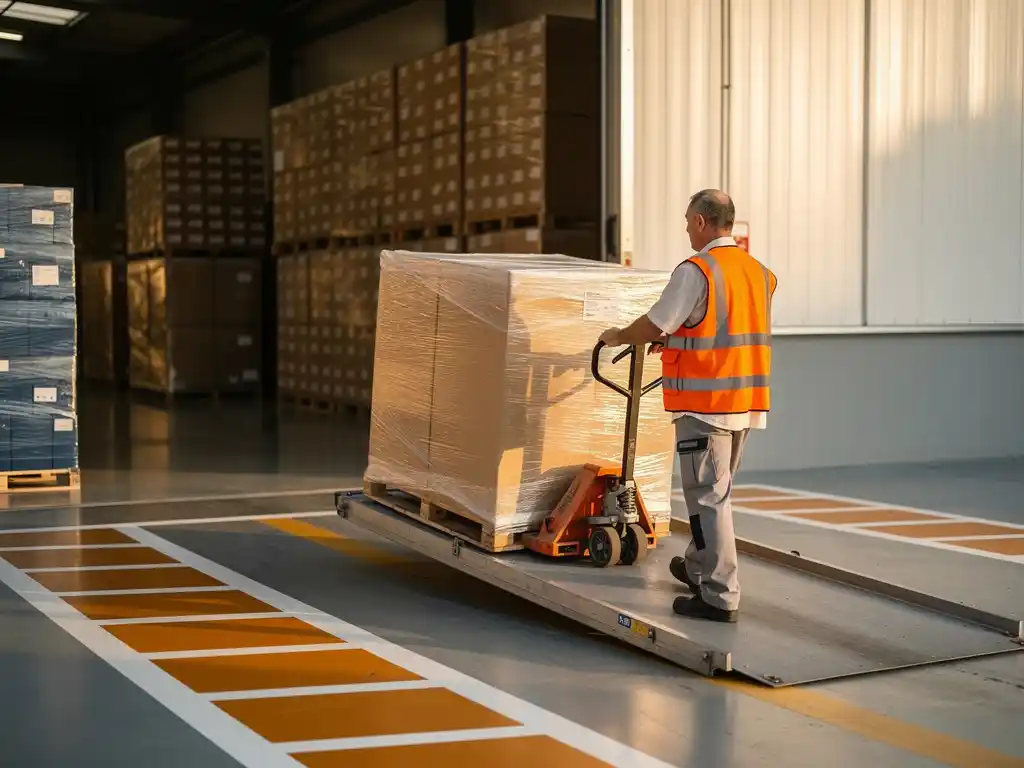
Receiving a large furniture shipment at your site is rarely as simple as opening a door and waving a truck in. Without proper planning, even a well-organised delivery can grind to a halt the moment a lorry cannot access the loading bay, a corridor proves too narrow for a wardrobe, or there is nobody on site qualified to sign off the consignment. Getting the preparation right protects your goods, your team, and your timeline.
This guide walks you through every stage of site preparation for large furniture shipments, from the first access audit to the final signature on the delivery note. Follow these steps in order and you will have a clear, repeatable process for receiving large furniture deliveries safely and efficiently.
Assess access routes and entry points first
Before anything else, map out how the delivery vehicle will physically reach your building and move goods inside it. This is the single most common point of failure in furniture shipment receiving, and it is entirely preventable with a thorough site walk-through before the delivery date.
- Measure every entry point the shipment must pass through: loading dock height and width, main entrance doors, lift dimensions, stairwell widths, and any tight corridor turns between the entry point and the final placement area.
- Check overhead clearance on approach roads, under barriers, and in any underground parking areas the vehicle might need to use.
- Identify weight restrictions on access roads, bridges, or car park ramps that could affect a fully loaded heavy goods vehicle.
- Confirm whether the delivery vehicle needs a dedicated parking or stopping zone and arrange permits or reservations with your local authority or building management if required.
- Note any obstacles that will need to be temporarily removed, such as bollards, planters, or signage.
Once you have completed this audit, document your findings in writing and share them with your logistics provider. If any entry point falls short of what the shipment requires, address it now rather than on delivery day. A mismatch between vehicle size and site access is one of the leading causes of failed or delayed large furniture deliveries.
Clear and prepare the receiving area
With your access routes confirmed, turn your attention to the space where goods will be unloaded, staged, and moved to their final positions. A well-prepared receiving area speeds up the entire process and reduces the risk of damage to both the furniture and the building.
- Clear the unloading zone completely. Remove vehicles, equipment, and any materials that are not directly needed for the delivery.
- Protect flooring along the entire route from the entry point to the placement area. Use floor protection boards, carpet runners, or specialist covering film, particularly on hard floors, tiles, or freshly laid surfaces.
- Remove doors from their hinges where necessary to gain the extra centimetres needed for large items to pass through safely.
- Mark out the placement positions for each item using tape or printed floor plans so the delivery team knows exactly where each piece goes without having to ask repeatedly.
- Ensure adequate lighting throughout the route, especially in stairwells, basements, or storage areas where natural light is limited.
After completing this step, walk the full route one more time as if you were carrying a large flat-pack panel or a bulky upholstered sofa. You should be able to move through every point without obstruction. If anything feels tight or unclear, resolve it before the truck arrives.
Coordinate with the logistics provider in advance
Effective furniture logistics preparation depends heavily on clear communication between you and your logistics partner well before the delivery date. The more information both sides share in advance, the fewer surprises arise on the day.
Contact your logistics provider at least one week before the scheduled delivery and work through the following:
- Confirm the exact delivery window and whether it is a timed slot or an estimated arrival.
- Share your site access audit findings, including vehicle size restrictions, access road limitations, and any permits required.
- Provide floor plans or placement maps so the delivery team can plan their approach before arriving.
- Discuss whether assembly, installation, or packaging removal is included in the service, and confirm who is responsible for each task.
- Agree on a named contact at your site who will be present and reachable throughout the delivery.
If you are working with a specialist provider experienced in project logistics, they will often request this information as a matter of course. We at Jan Krediet, for example, map out all site details using data and floor plans before any project delivery begins, which significantly reduces on-site complications. For complex or multi-location deliveries, this level of pre-planning is not optional; it is what makes the difference between a smooth handover and a costly delay.
Arrange the right equipment and personnel
Even with a perfectly prepared site, a large furniture delivery can stall if the right tools and people are not in place. Confirm your resources in the days leading up to the delivery, not on the morning itself.
- Confirm whether the delivery crew will bring their own handling equipment such as sack trucks, furniture dollies, or stair-climbing trolleys, or whether you are expected to provide them.
- If your site requires specialist equipment like a scissor lift, pallet truck, or furniture hoist, arrange hire or access well in advance and confirm it will be on site and operational at the time of delivery.
- Assign a sufficient number of your own staff or contractors to assist with directing the delivery team, managing access points, and supervising placement.
- Ensure at least one person on site has the authority to sign delivery documentation and make decisions if unexpected issues arise.
- Brief everyone involved on the delivery plan, the placement map, and the handling procedures for any particularly fragile or high-value items.
Verify the day before that all equipment is confirmed and all personnel know their roles. A brief team meeting on the morning of the delivery, even a five-minute stand-up, can prevent miscommunication that would otherwise cost hours.
Inspect and document the shipment on arrival
The final step in your large furniture delivery checklist is the one most often rushed: the arrival inspection. Taking time to inspect and document the shipment properly protects you against disputes over damage or missing items and creates a clear record for your project file.
- Before any items are moved from the vehicle, check the delivery note against your purchase order or project specification to confirm the correct items and quantities are present.
- Inspect packaging for visible damage, crushing, moisture, or punctures before unloading. Note any concerns on the delivery documentation before signing.
- As items are unloaded and unpacked, check each piece for damage against a pre-agreed condition checklist. Photograph any defects clearly, including close-up shots and wider context shots showing the item and its surroundings.
- Record serial numbers or product codes for high-value items as they are received.
- Sign the delivery note only once you are satisfied with the inspection, and ensure any noted discrepancies or damage are written clearly on the document before the driver leaves.
Do not allow time pressure to rush this step. A signed delivery note without recorded exceptions is often treated as confirmation that goods arrived in perfect condition, which can complicate any claim you need to make later. Once the inspection is complete and documented, you have a clean record to close out the delivery and move on to installation or placement. For ongoing projects involving multiple deliveries, consider using a standardised furniture shipment receiving form to keep records consistent across every site visit.
Preparing your site thoroughly before a large furniture delivery is not about adding complexity; it is about removing it. Each of these steps eliminates a category of risk that could otherwise disrupt your project. If you are managing a large-scale or multi-site furniture project and want to understand how professional furniture transport and project coordination can support your delivery process, we are happy to help you plan it from the ground up.