




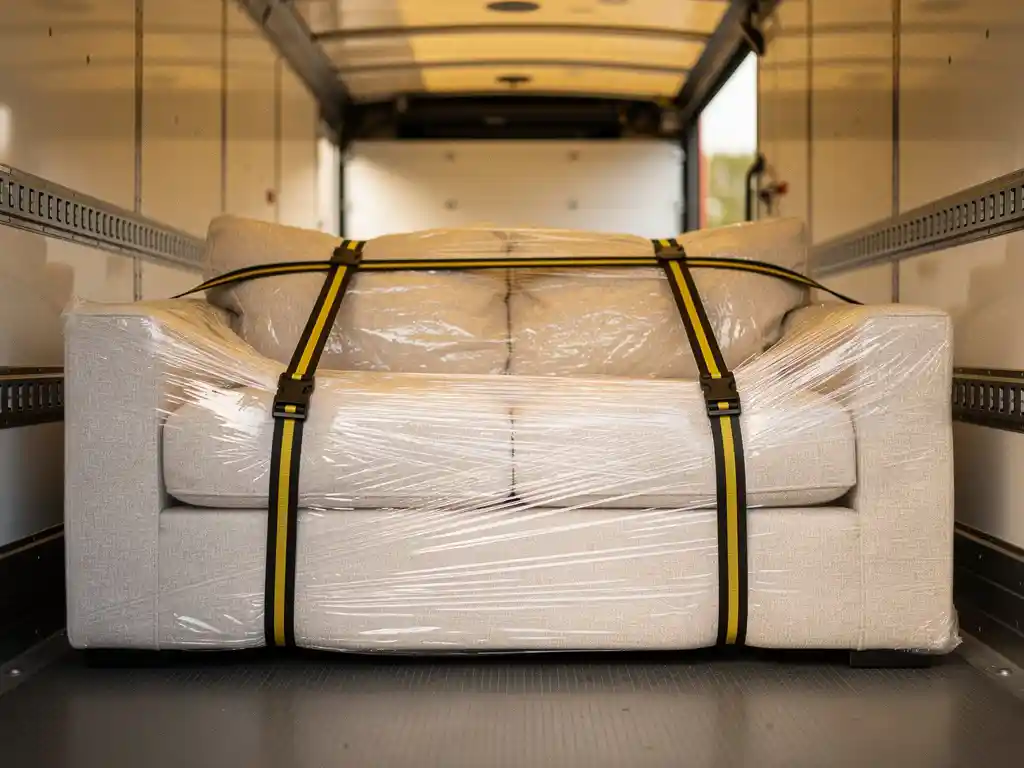
Transporting a lounge set across multiple loading points is one of the more demanding challenges in furniture logistics. Unlike a single-leg delivery, multi-stop transport means your sofa, chaise longue, or corner unit passes through several pairs of hands, gets loaded and unloaded more than once, and travels in vehicles that may carry other cargo alongside it. Each of those moments is an opportunity for damage to occur. The good news is that with the right preparation, packaging, and communication, you can dramatically reduce that risk.
This guide walks you through every stage of the process, from preparing your lounge set before it leaves the warehouse to inspecting it when it arrives at its final destination. Whether you are coordinating a single residential delivery or managing a larger project, these steps will help you protect your furniture and keep your customers satisfied.
Prepare your lounge set for multi-stop transport
Good preparation is the foundation of damage-free lounge set transport. Before the first vehicle is loaded, take time to assess the pieces you are shipping and understand the specific risks of your route. A lounge set typically includes multiple components, upholstered sections, wooden or metal frames, cushions, and sometimes glass or decorative elements. Each of these behaves differently during transit and needs to be treated accordingly.
- Disassemble where possible. Remove legs, detachable armrests, and loose cushions. Smaller components are easier to protect individually and reduce the overall footprint on the vehicle.
- Create a detailed inventory. List every component with a brief description, including dimensions and any pre-existing marks or scuffs. Photograph each piece from multiple angles before packaging begins.
- Identify the highest-risk elements. Upholstered surfaces are vulnerable to staining and tearing. Wooden frames can splinter at corners. Glass components need dedicated protection. Knowing your weak points in advance lets you allocate the right materials.
After this preparation stage, you should have a clear picture of what you are shipping and where the risks lie. If anything is already damaged before transport begins, that is documented and cannot be attributed to the journey ahead.
Choose the right packaging materials for each piece
Not all furniture packaging is equal, and a lounge set demands a layered approach. The goal is to protect each surface from abrasion, impact, and moisture while keeping the overall package manageable enough to load and unload safely at multiple stops. Using the correct materials for each component is one of the most effective ways to prevent damage during furniture transport.
For upholstered sections, use breathable furniture blankets or stretch film. Avoid non-breathable plastic directly against fabric for extended periods, as condensation can cause mildew. For wooden frames and legs, wrap corners with foam edge protectors before applying a layer of stretch film. Glass elements should be wrapped in bubble wrap, framed with cardboard, and clearly marked as fragile on all sides.
- Furniture blankets: ideal for upholstered surfaces and general padding between pieces
- Stretch film: excellent for holding blankets in place and keeping components together
- Foam edge protectors: essential for corners, legs, and any protruding structural elements
- Bubble wrap: best for glass, mirrors, or decorative accents
- Cardboard sheets: useful as a rigid barrier between stacked components
- Moisture-resistant wrapping: important for outdoor lounge sets or long-distance shipments
Once each piece is wrapped, verify that no surface is left exposed and that all packaging is firmly secured. Nothing should be able to shift inside its wrapping when you gently shake or tilt the piece.
Secure and load the lounge set correctly
With your lounge set packaged and ready, loading it correctly into the vehicle is the next critical step. Poor loading is one of the leading causes of transport damage, particularly when the same cargo will be moved in and out at multiple loading points. The way pieces are positioned and secured determines how well they survive each leg of the journey.
- Load the heaviest and most structurally solid pieces first, positioning them against the front wall of the cargo area. This reduces the risk of shifting during braking.
- Place upholstered sections so that no hard or sharp object is in direct contact with fabric surfaces, even through packaging. Use cardboard sheets as an additional barrier where needed.
- Use load straps or cargo bars to secure the lounge set against movement. Straps should be tight but not so taut that they compress or distort upholstered pieces.
- Fill any gaps between pieces with blankets or foam to prevent lateral movement during cornering or braking.
- If other cargo is being carried alongside the lounge set, ensure there is clear physical separation. Heavier goods should never be stacked on top of upholstered furniture.
After loading, walk through the cargo area and manually check each piece for stability. Nothing should rock or slide when you apply light pressure. A well-loaded vehicle makes every subsequent loading point safer and faster.
Manage handover moments at each loading point
Multi-stop transport means the lounge set changes hands more than once, and each handover is a moment where communication can break down and damage can occur. Managing these moments carefully is just as important as the physical packaging. Specialist furniture transport providers typically have standardised handover protocols for exactly this reason.
At every loading point, the outgoing and incoming handlers should jointly inspect the consignment before it changes hands. Both parties should confirm the condition of each piece against the inventory and photographs taken at the start of the journey.
- Share the inventory and photo documentation with every party involved in the handover before they arrive. Do not assume the next handler has received or read the paperwork.
- Require a signed condition report at each handover. If a piece has been damaged between stops, this identifies exactly where in the chain it occurred.
- Brief each handler on the specific vulnerabilities of the lounge set. Mention any glass components, delicate upholstery, or pieces that require two people to lift safely.
- Confirm that the receiving vehicle is clean, dry, and equipped with appropriate securing equipment before transferring the cargo.
With the handover completed and documented, the next leg of the journey can begin with confidence. Consistent handover discipline across all stops is what keeps a multi-point shipment as safe as a direct delivery.
Inspect and document the lounge set upon delivery
The final step in preventing and managing transport damage is a thorough inspection at the delivery destination. This is your opportunity to confirm that the lounge set has arrived in the condition it left, and to identify and document any issues before the packaging is removed and the furniture is placed in its final position.
Do not rush this stage, even if the recipient is eager to see the furniture. A careful inspection now protects everyone involved and provides the evidence needed to resolve any claims quickly and fairly.
- Unpack each component in a clean, well-lit area. Remove packaging carefully to avoid causing any damage during unwrapping.
- Compare each piece against the original inventory and photographs. Check upholstered surfaces for stains, tears, or compression marks. Inspect wooden and metal frames for dents, scratches, or cracks. Check glass elements for chips or fractures.
- Photograph any damage immediately, before moving the piece or attempting any repair.
- Note any damage on the delivery documentation and have the recipient sign to confirm the condition at the time of delivery.
- Report any damage to the logistics provider as soon as possible, with photos and the signed delivery report attached.
A completed inspection gives you a clear, timestamped record of the lounge set’s condition at the point of delivery. Combined with the condition reports from each handover, this documentation makes it straightforward to identify where any damage occurred and who is responsible. It also gives your customer confidence that you take the quality of your furniture logistics seriously from start to finish.
If you are regularly shipping lounge sets or other large upholstered furniture across multiple stops and want a logistics partner with the experience and infrastructure to handle it properly, get in touch with us to discuss how we can support your supply chain.