




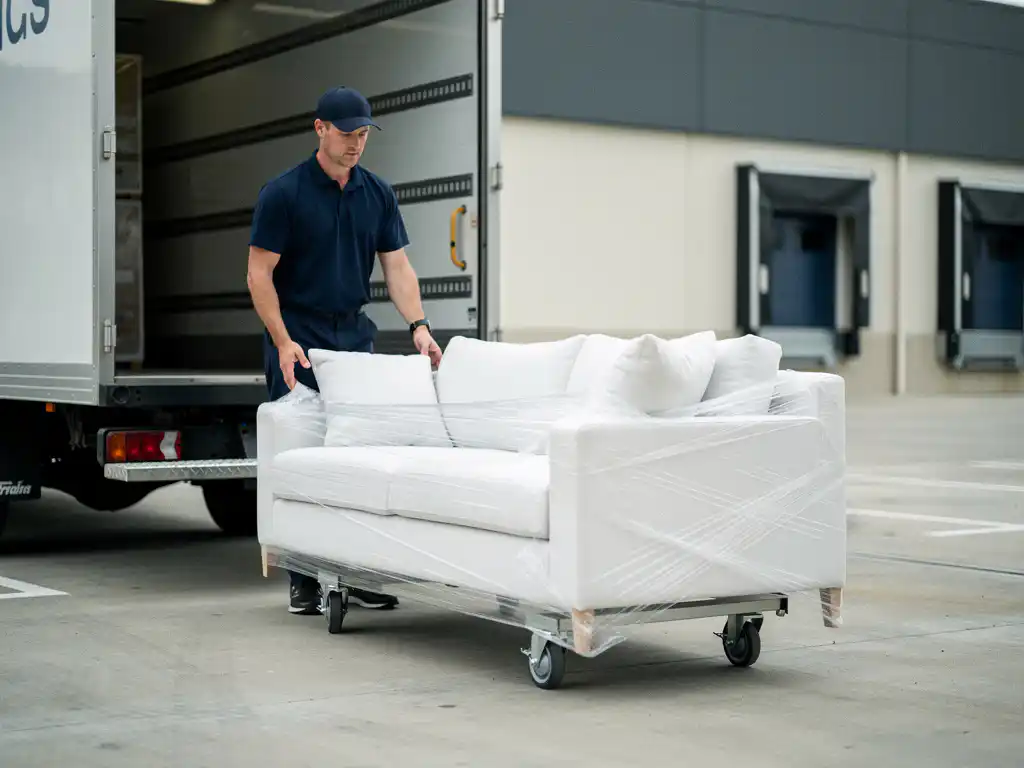
Return shipments are one of the most costly and disruptive challenges in furniture logistics. Damaged goods, missed deliveries, and poor handling all drive up costs, frustrate customers, and put pressure on your entire supply chain. The good news is that most returns are preventable. By addressing the right areas systematically, you can significantly reduce return shipments in furniture transport and build a more reliable, cost-efficient operation.
This guide walks you through six practical steps to cut furniture delivery returns, from diagnosing the root causes to building a continuous improvement loop. Whether you manage a small fleet or coordinate large-scale distribution, these steps apply directly to your process.
Identify the root causes of furniture returns
Before you can reduce returns, you need to understand exactly why they happen. Without this foundation, any changes you make will be guesswork. Start by categorising your existing return data into clear cause groups so you can prioritise where to act first.
- Pull return records from the past six to twelve months and tag each case with a cause: transit damage, delivery failure (no one home, wrong address), product defect, or customer refusal.
- Calculate the return rate per cause category as a percentage of total deliveries.
- Identify the top two or three causes that account for the majority of your returns.
- Map each cause back to a specific point in the process: warehouse, loading, transit, or last-mile delivery.
After completing this step, you should have a clear picture of where returns originate. If transit damage accounts for the largest share, your next priority is packaging and load securing. If delivery failures dominate, jump straight to pre-delivery communication. Use this data to guide the order in which you tackle the steps below.
Improve packaging and load securing standards
Damage during transit is one of the leading drivers of return shipments in furniture transport. Furniture is bulky, heavy, and often fragile at corners and joints, making it especially vulnerable when packaging is inadequate or loads shift in transit. Setting clear, enforced standards here can dramatically reduce damage-related returns.
- Audit your current packaging materials against the weight, dimensions, and fragility of each product category. Flat-pack items, upholstered pieces, and glass components each require different protection levels.
- Introduce corner protectors, foam padding, and stretch wrapping as standard for high-risk items. Define minimum specifications in writing so every packer follows the same process.
- Review how loads are built in the vehicle. Use load bars, anti-slip mats, and strapping to prevent movement during transit, particularly for mixed loads where heavy items can shift onto lighter pieces.
- Photograph loaded vehicles before departure as a record and quality check. This also helps resolve disputes if damage is reported on delivery.
Once your packaging standards are documented and communicated, verify compliance through regular spot checks at the loading stage. You should see a measurable drop in transit damage claims within the first few months of consistent enforcement. Our warehousing solutions include controlled packing environments that support these standards at scale.
Optimise pre-delivery communication and scheduling
With packaging standards in place, the next major lever is reducing failed delivery attempts. Failed deliveries are a significant source of avoidable returns, and they almost always come down to poor communication or scheduling mismatches between the carrier and the recipient.
- Send an automated delivery notification to the recipient at least 24 to 48 hours before the scheduled delivery window, including the date, time window, and a contact number for rescheduling.
- Offer a confirmation step where the recipient actively confirms availability. If they do not confirm, trigger a follow-up call or message before the vehicle is dispatched.
- For large or heavy furniture items, confirm access requirements in advance: lift availability, staircase dimensions, and whether assembly is included. Surprises on delivery day can cause refusals.
- Build a clear rescheduling process so recipients can easily change their slot without the delivery defaulting to a return.
After implementing proactive scheduling, track your first-attempt delivery rate. A successful pre-delivery communication process should push this rate above 90%. If you are still seeing high failure rates, investigate whether your notification timing or channel (SMS, email, phone) matches your customer base’s preferences.
Train delivery teams on damage prevention and handling
Even with strong packaging and good scheduling, returns can still occur if delivery teams handle furniture incorrectly at the point of delivery. Training is often overlooked as a return-reduction lever, but it has a direct impact on both damage rates and customer satisfaction.
Focus training on three core areas: safe manual handling techniques for heavy and awkward items, correct use of equipment such as sack trucks and furniture sliders, and the right way to inspect and document items before and after delivery. Delivery staff should know how to identify existing damage before unloading, record it accurately, and communicate clearly with the customer so disputes do not escalate into returns.
- Run an initial training session covering handling techniques, equipment use, and damage documentation procedures.
- Create a simple checklist that drivers complete at each delivery: item condition on arrival, customer signature, and any issues noted.
- Review checklists regularly to identify patterns, such as a specific route or product type generating repeated incidents.
Well-trained delivery teams also build customer confidence. When a delivery crew handles furniture carefully and communicates professionally, customers are far less likely to refuse a delivery or raise a return over a minor issue. Our experienced team at Jan Krediet furniture transport applies these standards across every delivery as part of our core service approach.
Implement a real-time shipment tracking system
Visibility is a powerful tool for reducing furniture logistics returns. When you can see exactly where a shipment is at any point in the chain, you can intervene before a problem becomes a return. Real-time tracking also gives customers confidence and reduces the likelihood of refusals caused by uncertainty.
- Choose a tracking system that provides live GPS location data for your vehicles and integrates with your order management or warehouse system.
- Set up automated alerts for key events: departure from warehouse, estimated arrival time updates, delivery confirmation, and any exceptions such as delays or failed attempts.
- Share a tracking link with the recipient so they can follow their delivery in real time. This reduces inbound queries and keeps the recipient engaged and ready to receive.
- Use exception reports to flag shipments at risk of a failed delivery or damage incident, and assign someone to proactively manage these cases before they result in a return.
Once tracking is live, review your exception data weekly. You should be able to identify recurring problem routes, time windows, or vehicle operators that generate a disproportionate number of issues. This data feeds directly into the final step of your improvement process.
Measure return rates and refine your process over time
Reducing return shipments in furniture transport is not a one-time fix. It requires ongoing measurement and adjustment. The steps above create the foundation, but sustained improvement comes from treating your return rate as a key performance indicator and reviewing it consistently.
- Set a baseline return rate using your historical data from Step 1, broken down by cause category.
- Define a realistic target return rate for the next three to six months based on the changes you have implemented.
- Review your return data monthly, comparing actual rates against your target and tracking progress by cause category.
- When a cause category stops improving or a new pattern emerges, run a root cause analysis and adjust the relevant process step.
Share return rate data with your delivery teams, warehouse staff, and operations managers. When the people responsible for each stage of the process can see how their work affects the overall return rate, they are more motivated to maintain standards and flag problems early. Over time, this culture of measurement and accountability is what keeps return rates low even as your volumes grow.
If you want to explore how a specialist logistics partner can support these improvements across your furniture supply chain, get in touch with us to discuss your specific needs.