




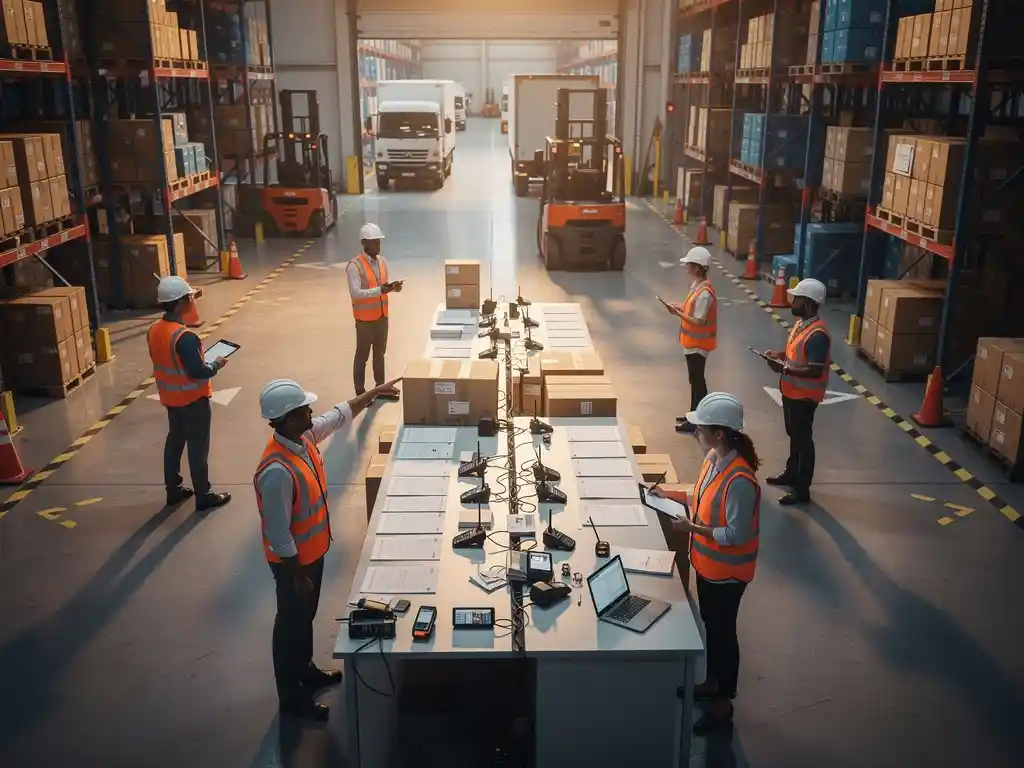
Effective project stakeholder communication serves as the backbone of successful logistics operations, determining whether complex projects are delivered on time and within budget. In today’s interconnected business environment, managing communication among diverse stakeholder groups requires strategic planning, clear protocols, and the right technological tools to ensure everyone stays aligned throughout the project lifecycle.
When multiple parties collaborate on logistics projects—from suppliers and carriers to end customers and regulatory bodies—seamless communication becomes critical to maintaining operational efficiency and preventing costly delays. Understanding how to orchestrate these interactions can improve project outcomes and strengthen business relationships across the entire supply chain.
What is stakeholder communication in project management?
Stakeholder communication in project management is the systematic exchange of information among all parties involved in, or affected by, a project to ensure alignment, transparency, and successful delivery. This process involves identifying communication needs, establishing clear channels, and maintaining a regular flow of information throughout the project lifecycle.
Effective stakeholder communication encompasses both formal and informal interactions, including status updates, decision-making discussions, risk assessments, and feedback sessions. The communication strategy must account for different stakeholder priorities, preferred communication styles, and varying levels of project involvement. In logistics projects, this becomes particularly complex due to the involvement of multiple external partners, regulatory requirements, and time-sensitive operations.
The foundation of successful project stakeholder communication lies in creating structured communication plans that define who needs what information, when they need it, and through which channels it will be delivered. This systematic approach prevents information silos, reduces misunderstandings, and ensures that critical decisions can be made quickly, with all relevant parties informed.
How do you identify all stakeholders in a logistics project?
Identifying all stakeholders in a logistics project requires a comprehensive mapping process that examines every party that influences, contributes to, or is affected by the project outcomes. Start by categorizing stakeholders into internal groups (project team, management, support departments) and external groups (customers, suppliers, carriers, regulatory bodies, and end users).
The identification process should begin with primary stakeholders who are directly involved in project execution, such as logistics coordinators, warehouse managers, transportation providers, and customer representatives. Next, identify secondary stakeholders who may be indirectly affected, including quality control teams, finance departments, customs officials, and local communities where operations take place.
Use stakeholder mapping techniques to visualize relationships and levels of influence. Create a matrix that plots stakeholder interest against their influence on the project, helping you prioritize communication efforts. Consider conducting stakeholder interviews or surveys to uncover hidden stakeholders who might emerge during project execution. Regular stakeholder analysis reviews ensure that new parties are identified as the project scope evolves or external circumstances change.
What communication methods work best for different stakeholder groups?
Different stakeholder groups require tailored communication methods based on their roles, technical expertise, decision-making authority, and information needs. Executive stakeholders typically prefer high-level dashboards and executive summaries delivered through formal presentations or written reports, while operational teams need detailed, real-time updates through digital platforms and direct communication channels.
For technical stakeholders such as warehouse managers and logistics coordinators, detailed project documentation, technical specifications, and regular progress meetings work most effectively. These groups benefit from visual project management tools, shared workspaces, and direct access to project data. Customer stakeholders often prefer regular status updates through customer portals, email communications, and scheduled review meetings that focus on delivery timelines and service quality metrics.
External partners like carriers and suppliers respond well to standardized communication protocols, automated notifications about schedule changes, and dedicated communication channels for urgent issues. Regulatory stakeholders require formal documentation, compliance reports, and structured communication that follows established protocols. The key is matching communication frequency and format to each group’s operational rhythm and decision-making processes.
How often should project stakeholders communicate with each other?
Project stakeholder communication frequency should be determined by project complexity, stakeholder roles, and the criticality of the decisions being made. Core project team members typically require daily touchpoints, while executive stakeholders may need weekly or biweekly updates, and external partners might communicate on milestone-driven schedules.
Establish regular communication rhythms that align with project phases and operational cycles. During the initiation and planning phases, more frequent communication helps ensure alignment and early issue identification. During execution, maintain consistent update schedules while being prepared to increase frequency during critical periods or when issues arise.
Consider implementing tiered communication schedules in which urgent operational issues trigger immediate communication, routine updates follow predetermined schedules, and strategic reviews occur at major project milestones. Build flexibility into communication plans to accommodate different time zones, cultural considerations, and varying business cycles among stakeholder groups. The goal is to maintain information flow without creating communication overload that reduces productivity.
What tools help streamline stakeholder communication in projects?
Modern project communication tools include collaborative platforms like Microsoft Teams or Slack for real-time messaging, project management software such as Asana or Monday.com for task tracking and updates, and specialized logistics platforms that provide supply chain visibility and automated notifications to relevant stakeholders.
Cloud-based document-sharing systems enable stakeholders to access current project information, while dashboard tools provide customized views for different stakeholder groups. Video conferencing platforms facilitate face-to-face communication across geographic boundaries, and mobile applications ensure stakeholders can stay connected regardless of location. Integration capabilities between different tools help create seamless information flow and reduce manual data entry.
Customer relationship management systems help track stakeholder interactions and preferences, while automated reporting tools can generate customized updates for different stakeholder groups. The key is selecting tools that integrate well with existing systems and match the technical capabilities of all stakeholder groups. Training and support ensure that communication tools enhance, rather than complicate, stakeholder interactions.
How do you handle communication challenges between stakeholders?
Communication challenges between stakeholders require proactive identification, structured resolution processes, and clear escalation procedures. Common challenges include conflicting priorities, information gaps, cultural differences, and varying communication preferences that can create misunderstandings and project delays.
Address communication challenges by establishing clear communication protocols, defining roles and responsibilities, and creating structured forums for conflict resolution. Implement regular stakeholder feedback sessions to identify emerging issues before they become major problems. When conflicts arise, focus on understanding underlying interests rather than stated positions, and work toward solutions that address core stakeholder needs.
Cultural and language barriers require special attention in international logistics projects. Provide translation services when necessary, be mindful of cultural communication styles, and establish common terminology that all stakeholders understand. Document agreements and decisions clearly to prevent future misunderstandings. Consider appointing communication facilitators or project liaisons who can bridge gaps between different stakeholder groups and ensure information flows effectively throughout the project network.
Hoe Jan Krediet helpt met stakeholdercommunicatie
We understand that effective stakeholder communication forms the foundation of successful logistics projects. Our approach to furniture logistics demonstrates how comprehensive communication strategies ensure seamless coordination among all project participants, from initial planning through final delivery.
Our stakeholder communication services include:
- Dedicated project coordinators who serve as single points of contact
- Real-time tracking systems that provide visibility for all stakeholders
- Customized reporting that matches each stakeholder’s information needs
- Proactive communication protocols for schedule changes and issue resolution
- Multilingual support for international project coordination
With over 200 logistics professionals and experience managing complex projects across 150 locations worldwide, we have developed proven communication frameworks that keep all stakeholders aligned and informed. Our membership in the MACH-3000 network further enhances our ability to coordinate with international partners and maintain consistent communication standards worldwide.
Ready to streamline your project stakeholder communication? Contact us to learn how our comprehensive logistics solutions can improve coordination and delivery outcomes for your next project.