




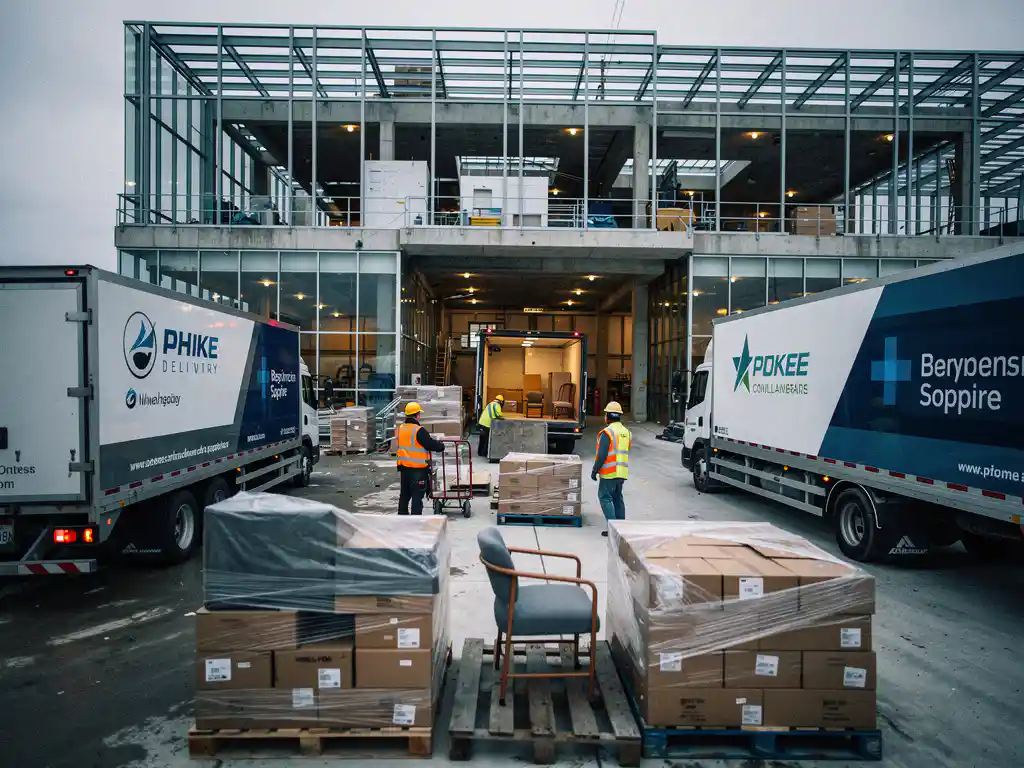
Managing a large-scale fit-out or installation project means dealing with goods arriving from multiple suppliers, often on different timelines and from different countries. Without a clear plan, you risk delays, damaged items, and a chaotic delivery day on site. Delivery consolidation solves this by bringing all shipments together at a single hub before moving everything to the project location in one coordinated operation.
This guide walks you through exactly how to set up and execute a consolidated delivery to one project location, from the groundwork you need to lay before a single pallet moves, to handling any issues after the final item is installed.
What you need before consolidating deliveries
Before any physical logistics work begins, you need a clear picture of what is being delivered, where it is coming from, and what the project location can actually receive. Skipping this preparation phase is the most common reason consolidation projects run into trouble.
Gather the following information and confirm it is accurate before moving forward:
- A complete bill of materials listing every item, its dimensions, weight, and supplier
- Confirmed delivery windows from each supplier
- The full address of the project location and any access restrictions (loading dock hours, elevator capacity, floor load limits)
- Contact details for the site manager or project coordinator at the destination
- Customs documentation if any goods are crossing international borders
- Insurance coverage for goods during storage at the consolidation hub
With this information in hand, you can accurately brief your project logistics partner and avoid costly surprises mid-process. If any supplier cannot confirm a delivery window at this stage, resolve that before proceeding. A single late shipment can hold up the entire consolidated delivery.
Coordinate incoming shipments from multiple suppliers
Coordination is the engine of successful delivery consolidation. Your goal here is to align every supplier’s outbound schedule with the receiving capacity of your consolidation hub, so that goods arrive in a manageable flow rather than all at once or spread too thin.
- Share the hub’s receiving address, opening hours, and any unloading requirements with each supplier in writing.
- Assign each supplier a specific delivery slot to prevent congestion at the hub’s loading dock.
- Request advance shipping notifications (ASNs) from each supplier so the hub team knows what to expect and when.
- Create a shared tracking document or use a logistics management system to monitor inbound shipment statuses in real time.
- Establish a clear escalation process: define who contacts which supplier if a shipment is delayed or a discrepancy appears.
After completing this step, you should have a confirmed inbound schedule with named contacts at every supplier and a single source of truth for tracking progress. If two or more suppliers are unable to meet your required window, assess whether the consolidated delivery date needs to be pushed back rather than proceeding with an incomplete shipment.
Receive and process goods at the consolidation hub
The consolidation hub is where all incoming goods are received, checked, and prepared for the final delivery. This stage requires careful attention to detail because any error here, whether a missing item or undocumented damage, will surface at the worst possible moment: on site.
Receiving and inspection
As each supplier’s shipment arrives, the hub team should cross-reference it against the bill of materials and the supplier’s delivery note. Check quantities, product codes, and visible condition. Photograph any damage before signing off on receipt, and log discrepancies immediately so the relevant supplier can be contacted without delay.
Storage and labelling
Once received and inspected, goods need to be stored logically within the hub. Label every item or pallet clearly with the project name, destination room or zone if known, and any handling instructions. Grouping items by installation sequence now will save significant time during the final delivery. Our warehousing services include dedicated project storage with full inventory management, which removes the risk of items being misplaced during the consolidation period.
At the end of this stage, your hub inventory should match your bill of materials exactly. If items are still outstanding from one or more suppliers, do not proceed to planning the final delivery until you have a firm commitment on when they will arrive.
Plan and execute the consolidated delivery
With all goods received and verified, you can now plan the final leg of the operation. This is where delivery consolidation delivers its core value: a single, well-organised movement to the project location instead of a stream of uncoordinated arrivals.
- Confirm the delivery date and time window with the site manager at the project location.
- Plan the loading sequence so that items needed first on site are loaded last onto the vehicle (last in, first out).
- Assign a dedicated delivery team and brief them on the site layout, access requirements, and any special handling needs.
- Arrange any required equipment at the destination: tail lifts, pallet trucks, stair climbers, or hoisting gear for upper floors.
- Prepare a delivery manifest that lists every item, its location on the vehicle, and its intended destination within the project site.
Execute the delivery according to the manifest. The site manager or their representative should be present throughout to direct placement and sign off on each delivery zone. A well-planned consolidated delivery to a project location typically moves faster than multiple separate deliveries because the team knows exactly what goes where before the vehicle doors open.
Verify completion and handle post-delivery issues
Once the last item is in place, take time to formally close out the delivery before the team leaves the site. Rushing this step is a common mistake that leads to disputes later.
- Walk through the site with the project coordinator and check every delivered item against the manifest.
- Document the condition of all items at the point of delivery, noting any damage that occurred during transport.
- Obtain a signed proof of delivery from the site representative.
- Photograph the completed installation or placement of goods as a record.
If any items are missing, damaged, or incorrect, raise these immediately with your logistics partner rather than waiting until after the project is complete. Most issues are far easier to resolve within 24 to 48 hours of delivery. For complex projects spanning multiple sites or countries, having an experienced partner who can act quickly when something unexpected happens makes a significant difference. We operate across more than 150 locations worldwide and our project team is structured to respond fast when plans need to change.
With delivery verified and any issues logged, your consolidation service cycle is complete. The result is a cleaner, more predictable project handover and a site team that can focus on installation rather than chasing deliveries. If you are planning an upcoming project and want to discuss how consolidation logistics can work for your specific situation, get in touch with our team for a no-obligation conversation.