




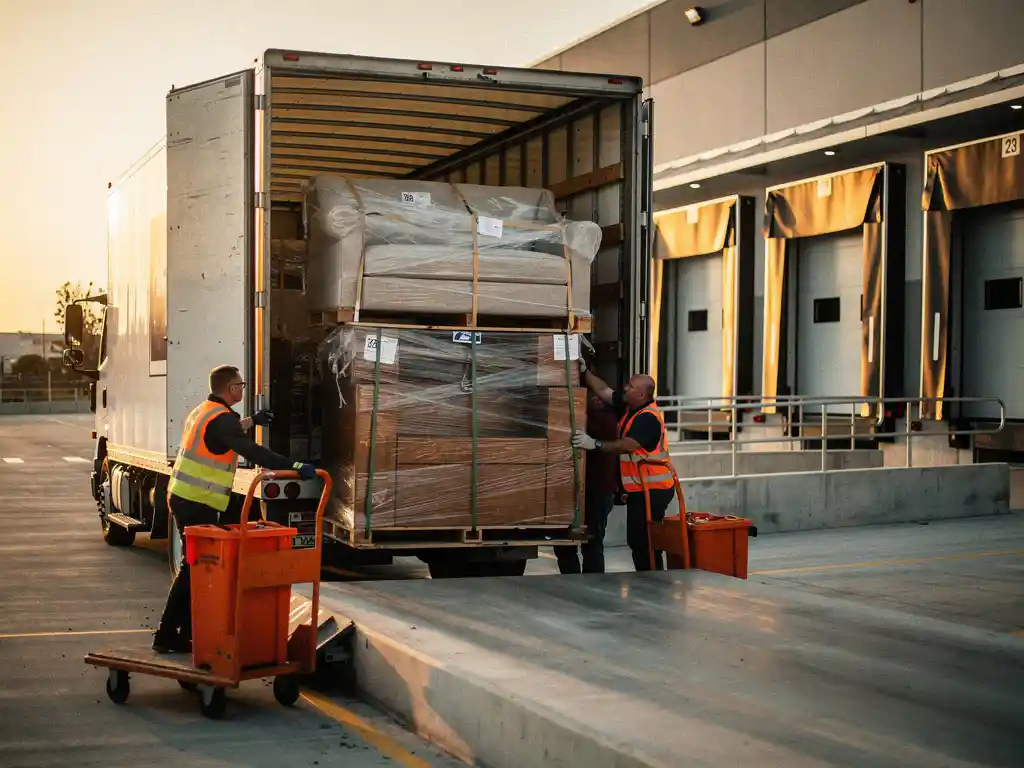
Furniture transport for retail chains represents one of the most complex segments of the logistics industry, requiring specialized handling, precise timing, and sophisticated coordination across multiple touchpoints. From the manufacturer to the showroom floor, furniture must navigate a complex supply chain while maintaining quality and meeting strict delivery schedules that retail operations depend on.
Understanding how furniture logistics works for retail chains is essential for businesses looking to optimize their supply chain operations, reduce costs, and improve customer satisfaction. The process involves multiple stakeholders, specialized equipment, and advanced technology systems working together to ensure furniture reaches retail locations efficiently and in perfect condition.
What is furniture transport for retail chains?
Furniture transport for retail chains is the specialized logistics process of moving furniture products from manufacturers through distribution centers to retail store locations. This service encompasses warehousing, inventory management, order fulfillment, and last-mile delivery specifically designed to meet the unique requirements of retail furniture operations.
The process involves multiple stages, including consolidating shipments from various furniture manufacturers, temporary storage in distribution centers, order processing based on retail demand, and coordinated delivery to store locations. Retail furniture transport requires specialized handling techniques due to the size, weight, and fragility of furniture items, as well as precise timing to align with store opening schedules, promotional campaigns, and seasonal demand patterns.
Modern furniture transport for retail chains also includes value-added services such as product assembly, quality inspections, packaging customization, and even installation services at retail locations. This comprehensive approach helps retail chains maintain lean inventory levels while ensuring product availability and presentation standards.
How does the furniture supply chain work from manufacturer to retail store?
The furniture supply chain operates through a multi-stage process, starting with manufacturing, moving through regional distribution centers, and ending with delivery to individual retail store locations. This process typically involves consolidation warehouses that aggregate products from multiple manufacturers before distributing them to retail chains.
Manufacturers initially ship furniture products to regional distribution centers or directly to logistics providers that specialize in retail furniture handling. These facilities serve as consolidation points where products from different suppliers are received, inspected, and organized according to retail chain requirements. Advanced warehouse management systems track inventory levels and coordinate with retail planning systems to ensure optimal stock distribution.
From distribution centers, furniture is allocated to specific retail stores based on demand forecasting, store capacity, and promotional schedules. The final stage involves coordinated delivery using specialized vehicles equipped for furniture transport, often requiring appointment scheduling and specific delivery time windows to accommodate store operations and staff availability for receiving large items.
What are the biggest challenges in retail furniture transport?
The biggest challenges in retail furniture transport include managing oversized and fragile items, coordinating complex delivery schedules across multiple store locations, and maintaining product quality throughout the supply chain. These challenges are compounded by the need for specialized handling equipment and trained personnel at every stage.
Size and weight constraints create significant logistical hurdles, as furniture often requires specialized vehicles, loading equipment, and additional manpower for safe handling. Many furniture pieces exceed standard shipping dimensions, requiring custom transportation solutions and careful route planning to navigate bridges, tunnels, and urban delivery restrictions.
Timing coordination presents another major challenge, as retail stores operate on strict schedules for receiving shipments, setting up displays, and preparing for customer traffic. Delays in furniture delivery can disrupt store operations, affect promotional campaigns, and impact sales performance. Additionally, preventing damage throughout the transport process requires specialized packaging, careful handling protocols, and comprehensive insurance coverage to protect high-value furniture items.
How do logistics companies handle large furniture items for retail chains?
Logistics companies handle large furniture items for retail chains using specialized equipment, custom packaging solutions, and trained handling teams experienced in furniture transport protocols. This includes air-ride suspension vehicles, furniture dollies, protective wrapping materials, and hydraulic lift gates designed specifically for heavy furniture pieces.
Professional furniture logistics providers employ teams trained in proper lifting techniques, furniture assembly, and damage prevention strategies. They use custom packaging materials, including furniture blankets, corner protectors, and shrink wrap, to secure items during transport. Specialized vehicles with air-ride suspension systems minimize vibration and shock that could damage delicate furniture finishes.
Advanced planning systems help logistics companies optimize routes, schedule deliveries during appropriate time windows, and coordinate with retail store personnel for efficient unloading. Many providers also offer white-glove services, including unpacking, assembly, and placement of furniture within retail spaces, ensuring items are ready for immediate display and sale.
What technology is used to track furniture shipments to retail stores?
Modern furniture shipment tracking relies on GPS-enabled fleet management systems, RFID technology, and integrated warehouse management software that provides real-time visibility throughout the supply chain. These systems enable precise location tracking, delivery confirmation, and proactive communication with retail store managers.
GPS tracking devices installed in delivery vehicles provide continuous location updates, allowing both logistics providers and retail chains to monitor shipment progress and estimated arrival times. RFID tags attached to individual furniture pieces or shipment containers enable automated scanning at various checkpoints, creating a detailed audit trail from warehouse to retail store.
Cloud-based transportation management systems integrate with retail inventory systems to provide automated updates on shipment status, delivery confirmations, and any exceptions or delays. Mobile applications allow delivery drivers to capture digital signatures, photos of delivered items, and real-time status updates that are immediately transmitted to both logistics coordinators and retail store managers. This technology integration ensures transparency, accountability, and efficient problem resolution throughout the furniture transport process.
How Jan Krediet helps with retail furniture transport
We provide comprehensive furniture transport solutions specifically designed for retail chains, combining our specialized expertise in furniture logistics with advanced technology and a dedicated fleet. Our approach ensures seamless coordination from manufacturer pickup to retail store delivery, maintaining the highest standards of care for your valuable furniture inventory.
Our retail furniture transport services include:
- Specialized handling of oversized and fragile furniture items using custom equipment and trained personnel
- Flexible warehousing solutions with over 60,000 square meters of secure storage space
- Advanced tracking systems providing real-time visibility throughout the supply chain
- Value-added services including furniture assembly, quality inspections, and installation support
- Coordinated delivery scheduling that aligns with your store operations and promotional timelines
- International capabilities through our membership in the MACH-3000 network for global retail chain support
With over 250 vehicles in our fleet and more than 200 logistics professionals, we have the capacity and expertise to handle your retail furniture transport requirements efficiently and reliably. Contact us today to discover how our specialized furniture logistics solutions can optimize your retail supply chain and enhance your customer experience.