




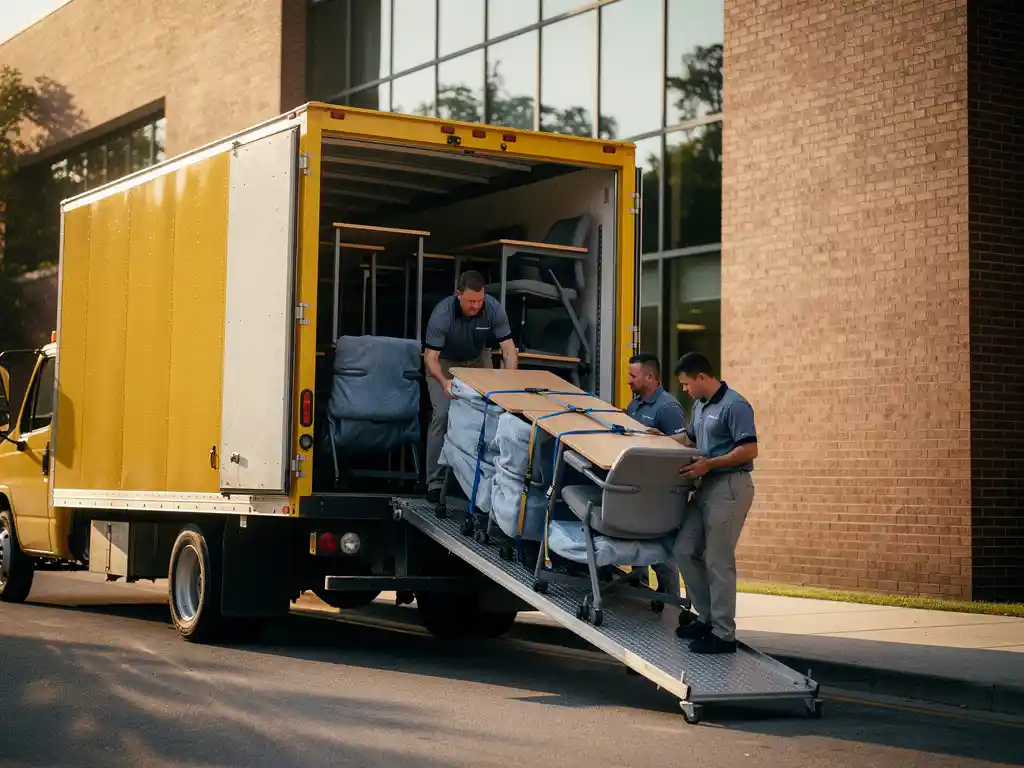
Educational institutions face unique challenges when it comes to furniture transport and delivery. Unlike standard commercial or residential moves, schools and universities require specialized logistics solutions that accommodate academic schedules, safety protocols, and the specific needs of learning environments. From elementary schools receiving new classroom desks to universities outfitting entire dormitories, educational furniture delivery demands careful planning and execution.
The complexity of educational furniture transport goes beyond simply moving items from point A to point B. It involves coordinating with facility managers, working around class schedules, ensuring student safety, and often managing large-scale installations within tight timeframes. Understanding how this specialized logistics process works can help educational administrators make informed decisions about their furniture procurement and delivery needs.
What makes furniture transport different for educational institutions?
Educational institutions require specialized furniture transport that differs significantly from standard commercial delivery due to strict safety protocols, academic scheduling constraints, and the need to coordinate bulk deliveries across multiple buildings or campuses. These unique requirements demand logistics providers with specific expertise in educational environments.
Safety considerations play a primary role in educational furniture transport. Delivery personnel often must undergo background checks and follow specific protocols when entering school premises. Many institutions require deliveries to occur outside student hours or during designated times when children are not present in corridors and common areas.
The scale of educational furniture projects also sets them apart. Schools and universities frequently order furniture in large quantities for multiple classrooms, dormitories, or entire buildings. This bulk approach requires specialized vehicles, equipment, and coordination capabilities that standard furniture delivery services may not possess.
Academic calendars create additional complexity. Most educational institutions prefer to receive new furniture during summer breaks, winter holidays, or other scheduled downtime. This seasonal concentration of demand requires logistics companies to plan capacity and resources well in advance.
How do logistics companies handle large-scale school furniture projects?
Logistics companies manage large-scale school furniture projects through detailed pre-planning, specialized equipment, and coordinated delivery schedules that accommodate educational timelines and safety requirements. The process typically begins months before delivery with comprehensive site assessments and project planning.
Project planning starts with detailed site surveys to understand access points, elevator capacities, hallway dimensions, and any potential obstacles. Logistics providers work closely with facility managers to create detailed floor plans and delivery routes that minimize disruption to the educational environment.
Specialized equipment plays a crucial role in educational furniture transport. Many schools have narrow hallways, multiple floors, and limited loading dock access. Professional logistics companies utilize equipment such as:
- Furniture dollies designed for navigating tight corners
- Protective padding systems to prevent wall and floor damage
- Modular transport solutions for disassembled furniture
- Lifting equipment suitable for multi-story buildings
Coordination extends beyond the delivery itself. Experienced furniture logistics providers work with multiple stakeholders, including procurement departments, facility management, and sometimes even teaching staff, to ensure smooth project execution.
What challenges arise during furniture delivery to schools and universities?
Common challenges during educational furniture delivery include restricted access times, limited loading areas, security protocols, and the need to coordinate across multiple buildings while maintaining normal campus operations. These obstacles require experienced logistics providers with specific expertise in the education sector.
Access restrictions pose significant challenges. Many educational institutions limit delivery windows to specific hours when students are not present or during scheduled breaks. This creates compressed timeframes in which large volumes of furniture must be delivered and positioned efficiently.
Physical infrastructure challenges are common in educational settings. Older buildings may have narrow doorways, limited elevator access, or insufficient loading dock facilities. Historic campus buildings often require special care to protect architectural features during furniture transport.
Security and safety protocols add complexity to the delivery process. Background checks for delivery personnel, escort requirements, and specific safety procedures can extend delivery times and require additional coordination with campus security teams.
Multi-building coordination presents logistical challenges, particularly on university campuses. Furniture may need to be delivered to dormitories, academic buildings, administrative offices, and recreational facilities across large campus areas, requiring sophisticated routing and timing coordination.
How is furniture installation coordinated in educational settings?
Furniture installation in educational settings is coordinated through phased approaches that prioritize minimal disruption to academic activities, with installation teams working during off-hours or break periods while maintaining strict safety and quality standards throughout the process.
Installation scheduling typically follows academic calendars closely. Most major installations occur during summer breaks, winter holidays, or scheduled maintenance periods when buildings are accessible without disrupting classes. This requires logistics companies to plan installation capacity well in advance.
Phased installation approaches help manage large projects effectively. Rather than attempting to furnish entire buildings simultaneously, experienced providers often work room by room or floor by floor, allowing parts of the facility to remain operational while others are being updated.
Quality control becomes particularly important in educational settings where furniture will receive heavy daily use. Installation teams must ensure proper assembly, stability, and safety compliance for all items, often following specific institutional standards or safety requirements.
Post-installation services often include staff training on new furniture features, warranty registration, and the establishment of maintenance schedules. Educational institutions benefit from comprehensive support that extends beyond the initial installation to ensure long-term satisfaction and proper care.
How Jan Krediet helps with educational furniture transport
We specialize in comprehensive educational furniture logistics that address the unique challenges of schools and universities. Our approach combines decades of experience with specialized equipment and processes designed specifically for educational environments.
Our educational furniture transport services include:
- Pre-delivery site assessments and detailed project planning
- Flexible scheduling that accommodates academic calendars
- Background-checked delivery and installation teams
- Specialized equipment for navigating educational facilities
- Complete installation and assembly services
- Post-installation support and warranty coordination
With our extensive fleet of vehicles, specialized equipment, and experienced logistics professionals, we ensure your educational furniture projects are completed efficiently and safely. Whether you’re furnishing a single classroom or an entire campus, we provide the expertise and resources needed for successful project completion.
Ready to discuss your educational furniture transport needs? Contact us today to learn how we can support your next furniture project with our specialized educational logistics solutions.