




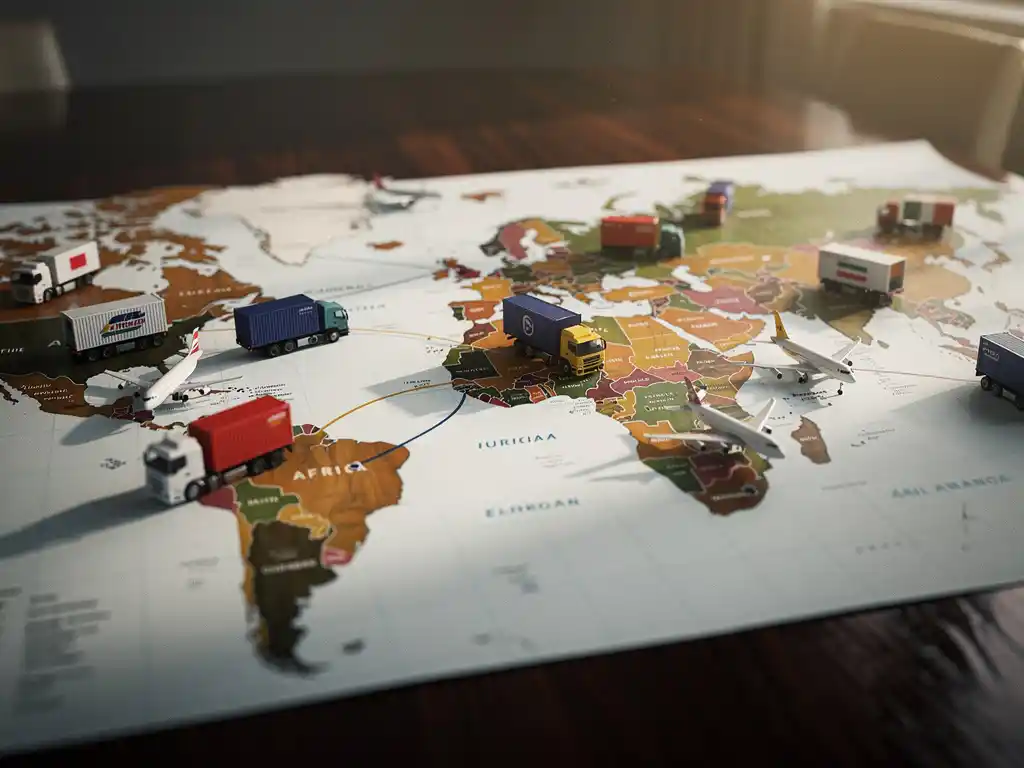
Project logistics represents one of the most complex areas of international supply chain management, where standard shipping procedures often fall short of meeting specialized requirements. When businesses need to coordinate the delivery and installation of equipment, furniture, or materials across multiple countries, they encounter a web of regulations, customs procedures, and infrastructure challenges that vary dramatically from one nation to another.
Understanding these country-specific differences is crucial for successful project execution, as what works seamlessly in one market may face significant obstacles in another. From regulatory frameworks to transportation networks, each country presents unique considerations that can make or break a project timeline.
What is project logistics, and how does it differ from standard logistics?
Project logistics is a specialized form of supply chain management that coordinates the delivery, installation, and setup of equipment or materials for specific projects, often involving multiple locations and tight deadlines. Unlike standard logistics, which focuses on routine shipments and established distribution networks, project logistics requires customized solutions for unique, one-time deliveries with complex requirements.
The key differences lie in the scope and complexity of coordination required. Standard logistics typically involves moving goods from point A to point B using established routes and procedures. Project logistics, however, must account for site-specific requirements, installation timelines, and often involves coordinating multiple suppliers and service providers simultaneously.
Project logistics also demands greater flexibility and problem-solving capabilities. While standard shipping can rely on predictable processes, project logistics must adapt to unexpected challenges such as site access limitations, weather delays, or last-minute specification changes. This requires dedicated project management teams with expertise in both logistics and the specific industry requirements of each project.
What are the main regulatory differences in project logistics between countries?
Regulatory differences between countries in project logistics primarily involve import/export licensing requirements, safety standards, and documentation protocols that vary significantly across borders. Each country maintains its own set of rules governing what can be imported, how it must be documented, and what certifications are required for installation.
European Union countries generally follow harmonized regulations, making cross-border project logistics within the EU relatively straightforward. However, projects involving non-EU countries face additional complexity, with varying documentation requirements, product certifications, and approval processes that can extend project timelines significantly.
Safety and environmental regulations also differ substantially between countries. For example, electrical equipment standards vary between regions, requiring different certifications for the same product depending on the destination country. Some countries require local inspection and approval processes before installation can begin, while others accept international certifications.
Professional licensing requirements for installation teams add another layer of complexity. Many countries require local licensing or certification for technicians performing installation work, necessitating partnerships with local service providers or additional training and certification processes for international teams.
How do customs procedures affect project logistics in different countries?
Customs procedures significantly impact project logistics through varying documentation requirements, inspection processes, and clearance timeframes that can range from hours to weeks, depending on the country and type of goods. Countries like Singapore and the Netherlands offer streamlined digital customs processes, while others may require extensive paper documentation and physical inspections.
Temporary import procedures present particular challenges for project logistics, as many projects require equipment or materials to be imported temporarily for installation purposes. Some countries offer simplified temporary import procedures with minimal duties, while others treat temporary imports the same as permanent imports, requiring full duty payments and complex documentation.
Customs valuation methods also vary between countries, affecting both duty calculations and processing times. Some countries accept commercial invoices at face value, while others require detailed breakdowns of labor, materials, and transportation costs. This can significantly impact project budgets and timelines if not properly planned.
Pre-clearance programs and authorized economic operator status can help expedite customs procedures in many countries, but these programs have different requirements and benefits depending on the jurisdiction. Understanding these options is crucial for companies that regularly conduct international project logistics operations.
Which countries present the biggest challenges for project logistics?
Countries with complex regulatory environments, limited infrastructure, and strict customs procedures typically present the greatest challenges for project logistics. Nations in developing regions, as well as those with restrictive trade policies, often require the most careful planning and local expertise.
Emerging markets often present infrastructure challenges that complicate project logistics. Limited port facilities, inadequate road networks, and unreliable transportation services can significantly impact delivery schedules. Countries with seasonal weather patterns that affect transportation routes require careful timing and contingency planning.
Nations with strict import controls or political instability create additional complexity. Some countries require extensive pre-approval processes for imported goods, while others may have unpredictable policy changes that affect logistics operations. Currency restrictions and payment processing limitations can also complicate project logistics in certain regions.
Even developed countries can present unique challenges. Japan’s strict packaging and documentation requirements, Australia’s biosecurity regulations, and the United States’ complex state-by-state regulations all require specialized knowledge and preparation for successful project logistics execution.
How do transportation infrastructure differences impact project logistics?
Transportation infrastructure differences significantly impact project logistics through varying road quality, port capabilities, and intermodal connectivity that determine delivery methods, costs, and timeframes for international projects. Countries with well-developed infrastructure networks enable more flexible routing options and reliable delivery schedules.
Port facilities and capabilities vary dramatically between countries, affecting how goods can be shipped and received. Major European ports like Rotterdam offer advanced container handling and storage facilities, while smaller ports may have limitations on vessel size, equipment availability, or operating hours that impact project scheduling.
Road and rail networks also influence project logistics strategies. Countries with extensive highway systems and reliable trucking services offer greater flexibility for final delivery, while those with limited road infrastructure may require alternative transportation methods or additional planning for last-mile delivery challenges.
Urban infrastructure presents particular considerations for project logistics operations. Cities with restricted vehicle access, limited parking, or specific delivery time windows require specialized planning and equipment. Some cities require advance permits for large deliveries, while others have environmental restrictions that limit certain types of vehicles.
Hoe Jan Krediet helpt met internationale projectlogistiek
We bieden complete projectlogistieke oplossingen die de complexiteit van internationale regelgeving, douaneprocedures en infrastructuurverschillen wegnemen voor onze klanten. Ons ervaren projectteam heeft uitgebreide kennis van meer dan 150 locaties wereldwijd en werkt samen met lokale partners om optimale resultaten te garanderen.
Onze diensten omvatten:
- Volledige projectplanning en coördinatie vanaf de eerste conceptfase
- Douaneafhandeling en ondersteuning bij regelgeving voor alle bestemmingslanden
- Transport, warehousing en assemblage onder één dak
- Lokale installatie en projectmanagement op locatie
- 24/7 monitoring en communicatie gedurende het hele project
Als onderdeel van Logistics Plus hebben we toegang tot internationale expertise en innovatieve technologieën die ons in staat stellen complexe projecten wereldwijd succesvol uit te voeren. Of het nu gaat om een kantoorinrichting in Milaan, een schoolproject tijdens de vakantie, of een complete beursvloer die in twee dagen moet worden opgebouwd: ons team zorgt voor een naadloze uitvoering.
Wilt u meer weten over hoe we uw internationale projectlogistieke uitdagingen kunnen oplossen? Neem contact met ons op voor een persoonlijk adviesgesprek over uw specifieke projectbehoeften.