




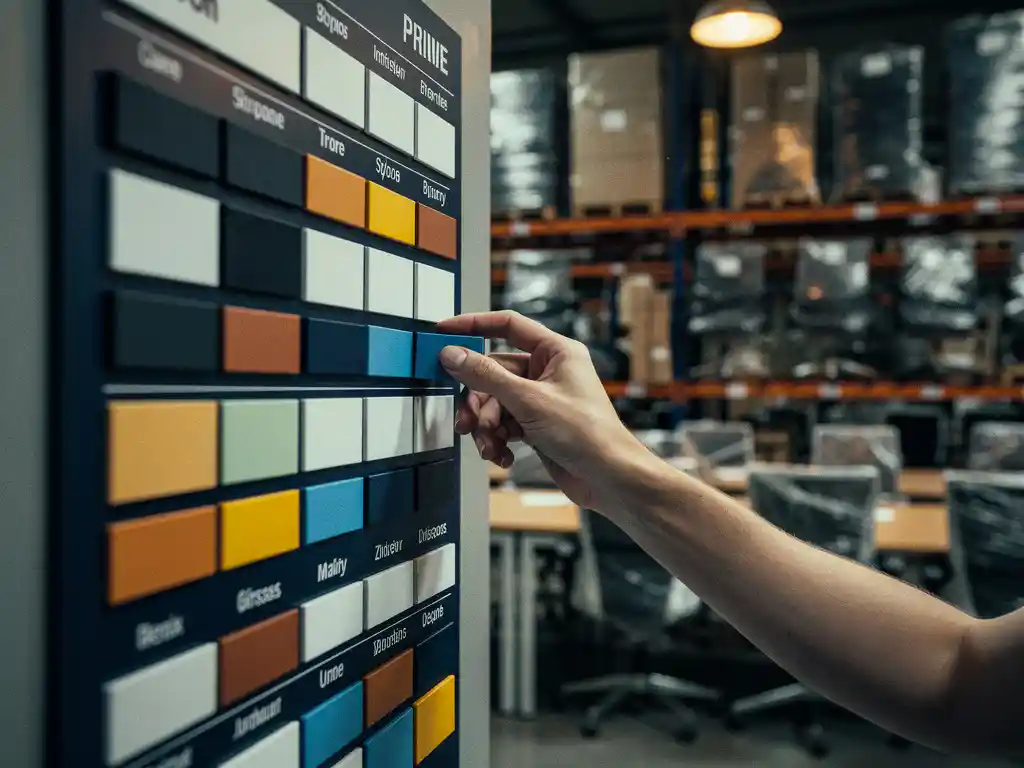
Managing commercial furniture project logistics requires precise coordination of multiple moving parts, from initial planning through final installation. The complexity increases exponentially when dealing with large-scale office relocations, hotel furnishing projects, or multi-site retail rollouts, where timing can make or break a project’s success.
Effective furniture delivery scheduling serves as the backbone of successful commercial projects, ensuring that deliveries align with construction timelines, installation crews are available when needed, and businesses can open their doors on schedule. Understanding how this intricate process works helps project managers, facility directors, and business owners make informed decisions about their logistics partnerships.
What is commercial furniture project logistics scheduling?
Commercial furniture project logistics scheduling is the strategic planning and coordination of furniture deliveries, installations, and related services to ensure all components arrive at the right location at precisely the right time. This process involves creating detailed timelines that synchronize with construction phases, workforce availability, and operational requirements.
The scheduling process encompasses multiple interconnected elements beyond simple delivery dates. It includes coordinating with manufacturers on production timelines, arranging warehouse staging areas, scheduling transportation resources, and aligning installation teams with delivery windows. For complex projects, this might involve managing deliveries across multiple floors of a building over several weeks, ensuring each phase is completed before the next begins.
Effective scheduling also accounts for dependencies between different furniture categories. For example, workstations typically need to be installed before task lighting, and conference room tables must be positioned before audiovisual equipment is installed. This sequential approach prevents costly delays and reduces the need for rework.
How do logistics companies coordinate furniture delivery timelines?
Logistics companies coordinate furniture delivery timelines through integrated project management systems that track every component from order placement through final installation. These systems create master schedules that align manufacturer production, transportation capacity, warehouse operations, and installation resources into a cohesive timeline.
The coordination process begins with detailed project mapping, where logistics professionals work with clients to understand construction schedules, building access requirements, and operational deadlines. This information feeds into sophisticated planning software that optimizes delivery sequences based on space availability, installation complexity, and resource constraints.
Communication plays a crucial role in timeline coordination. Logistics companies typically assign dedicated project managers who serve as single points of contact, providing regular updates to all stakeholders. They maintain constant communication with manufacturers to monitor production progress, coordinate with building management on access permissions, and work closely with installation teams to ensure readiness for each delivery phase.
What factors affect commercial furniture delivery scheduling?
Several critical factors influence commercial furniture delivery scheduling, with building construction progress being the primary determinant. Delays in flooring installation, electrical work, or HVAC completion can cascade through the entire furniture delivery timeline, requiring constant schedule adjustments to maintain project momentum.
Manufacturing lead times significantly impact scheduling flexibility. Custom furniture pieces often require 8-12 weeks for production, while standard items might be available within 2-4 weeks. Logistics planners must balance these varying timelines to ensure all components arrive in the correct sequence for efficient installation.
Building access restrictions create additional scheduling complexities. Many commercial buildings limit delivery hours, require advance booking of freight elevators, or restrict weekend access. Urban locations may have additional constraints, such as parking permits for delivery vehicles or noise restrictions that limit installation hours.
Seasonal factors also affect scheduling, particularly during peak moving seasons in the summer months or during year-end business relocations. During these periods, transportation capacity becomes limited and installation crews are in high demand, requiring earlier booking and more flexible scheduling approaches.
How far in advance should commercial furniture projects be scheduled?
Commercial furniture projects should be scheduled 12-16 weeks in advance for standard installations, with complex projects requiring 20-24 weeks of lead time. This timeline allows for proper coordination of manufacturing, transportation, and installation resources while providing buffer time for unexpected delays.
The scheduling timeline varies based on project complexity and customization requirements. Simple office installations with standard furniture might require only 8-10 weeks, while large-scale projects involving custom pieces, multiple locations, or specialized installation requirements need extended planning periods. Hotels, hospitals, and educational facilities often require the longest lead times due to their complex operational requirements.
Early scheduling provides several advantages beyond avoiding delays. It allows for better pricing negotiations with manufacturers, ensures the availability of preferred installation dates, and provides time for detailed site surveys that can identify potential challenges before they affect the timeline. Projects scheduled well in advance also have more flexibility to accommodate change requests without disrupting the overall timeline.
What happens when furniture delivery schedules need to change?
When furniture delivery schedules need to change, logistics companies implement contingency protocols that minimize project disruption while maintaining delivery quality. The response process involves immediate stakeholder communication, resource reallocation, and timeline adjustments to accommodate new requirements.
The impact of schedule changes depends on their timing and scope. Early-stage adjustments, made weeks before delivery, typically involve rescheduling transportation and installation resources with minimal cost impact. Last-minute changes, however, may require expedited shipping, premium warehouse storage, or overtime for installation crews, resulting in additional costs.
Professional furniture logistics providers maintain buffer capacity specifically for schedule changes. This includes maintaining relationships with backup transportation providers, flexible warehouse space, and installation crews capable of working extended hours when needed. Clear communication protocols ensure all parties understand revised timelines and any associated cost implications.
Change management also involves documentation and approval processes. All schedule modifications are typically documented with impact assessments, cost implications, and stakeholder approvals before implementation. This ensures transparency and prevents misunderstandings about revised delivery expectations.
How Jan Krediet helps with furniture project logistics scheduling
We provide comprehensive commercial furniture project logistics scheduling that eliminates the complexity of coordinating multiple vendors and timelines. Our experienced project managers create detailed delivery schedules that align with your construction timeline and operational requirements, ensuring seamless project execution from start to finish.
Our scheduling services include:
- Dedicated project management with single-point-of-contact communication
- Integrated planning systems that coordinate manufacturing, transport, and installation
- Flexible scheduling options to accommodate construction delays or change requests
- Real-time project tracking and progress updates throughout the delivery process
- Contingency planning for schedule adjustments with minimal project disruption
With over 100 years of logistics experience and our global MACH-3000 network, we handle projects of any scale across multiple locations worldwide. Our team understands the critical importance of precise timing in commercial furniture installations and works proactively to prevent delays that could affect your business operations.
Ready to streamline your commercial furniture project logistics? Contact us today to discuss your project requirements and discover how our scheduling expertise can ensure your furniture installation stays on track and on budget.