




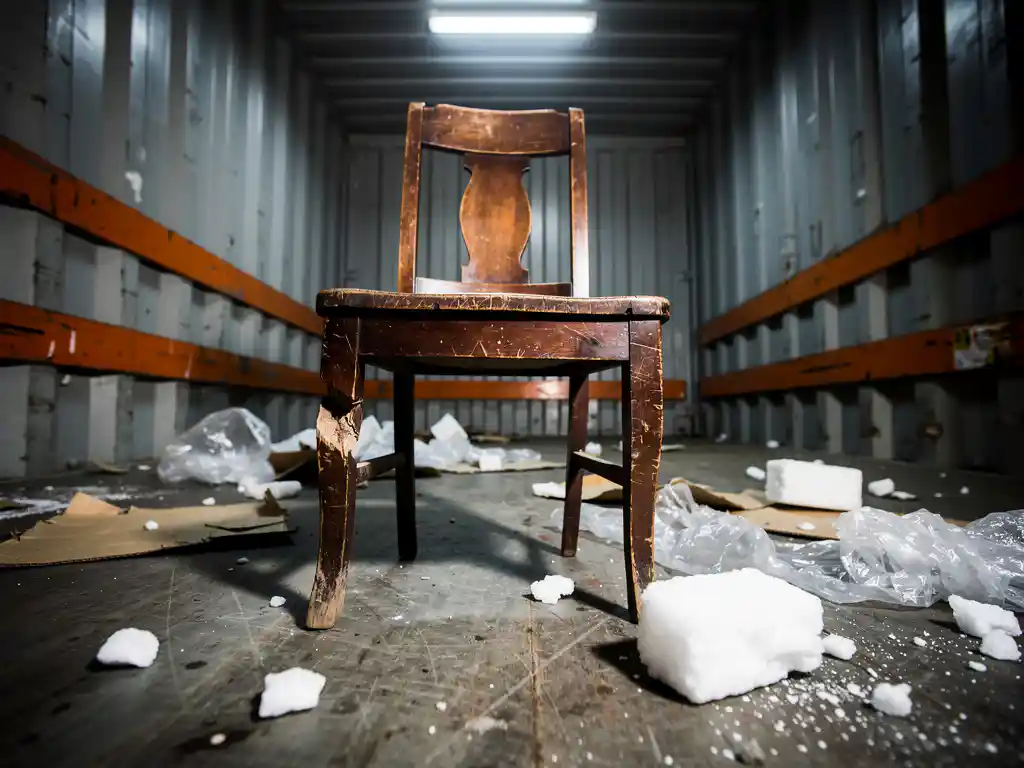
International furniture transport involves moving delicate, valuable items across borders, exposing them to numerous potential hazards. From physical damage during handling to complex customs regulations, furniture shipping presents unique challenges that require careful planning and expertise. Understanding these risks is essential for anyone considering international furniture transport, whether for residential moves, commercial projects, or retail distribution.
The global nature of furniture logistics means navigating different regulations, handling standards, and environmental conditions across multiple countries. While international shipping opens up opportunities to access global markets and relocate valuable pieces, it also introduces complexities that domestic transport simply doesn’t face.
What are the main risks in international furniture transport?
International furniture transport involves five primary risks: physical damage from handling and transit, customs delays and compliance issues, theft or loss during long shipping periods, environmental damage from temperature and humidity changes, and delivery complications at the destination. These risks compound over the extended timeframes typical of international shipping.
Physical damage is the most common concern, as furniture pieces undergo multiple loading and unloading cycles across different transport modes. Ocean freight, air cargo, and ground transportation each present distinct handling challenges. Large furniture items are particularly vulnerable due to their size and weight, requiring specialized equipment and experienced personnel.
Regulatory compliance adds another layer of complexity. Different countries maintain varying import restrictions, documentation requirements, and safety standards for furniture materials. Wood products face particularly strict regulations due to pest-control measures, while upholstered items may require specific certifications for flame retardants or other chemical treatments.
Security risks increase with longer transit times and multiple handoffs between carriers. High-value furniture pieces become attractive targets for theft, especially during storage periods at ports or distribution centers. Insurance coverage becomes crucial, but policies often contain specific exclusions for certain types of damage or loss scenarios.
How does furniture get damaged during international shipping?
Furniture damage during international shipping typically occurs due to improper packaging, rough handling during transfers, vibration and impact during transit, moisture exposure, and inadequate securing within containers. The multiple handling points in international logistics create numerous opportunities for damage.
Packaging failures are a leading cause of furniture damage. Unlike domestic shipments, international transport requires packaging that can withstand weeks of handling, stacking, and environmental exposure. Insufficient cushioning, weak corner protection, or inadequate moisture barriers can lead to scratches, dents, or structural damage.
Container-loading practices significantly impact furniture safety. Improper weight distribution can cause items to shift during ocean transport, leading to crushing or impact damage. Furniture pieces require specific blocking and bracing techniques to prevent movement, especially during the constant motion experienced on cargo ships.
Environmental factors pose additional threats. Temperature fluctuations can cause wood to expand and contract, potentially leading to warping or joint separation. High humidity levels on certain shipping routes can promote mold growth on upholstered items or cause metal components to rust.
What customs issues can delay furniture shipments?
Customs delays in furniture shipping commonly result from incomplete documentation, material-compliance violations, valuation disputes, and country-specific import restrictions on wood species or upholstery materials. These delays can extend delivery times by weeks and significantly increase storage costs.
Documentation requirements vary significantly between countries and often change without notice. Commercial invoices must accurately describe materials, the country of origin, and manufacturing processes. Any discrepancies between documentation and the actual products can trigger detailed inspections or rejection at the border.
Wood-treatment certifications present particular challenges for furniture containing natural materials. Many countries require fumigation certificates or heat-treatment documentation to prevent invasive pest species. Solid-wood furniture often faces the most stringent requirements, while engineered wood products may have different compliance standards.
Valuation accuracy affects both customs duties and potential delays. Undervaluing furniture to reduce duties can result in penalties and extended inspections, while overvaluation unnecessarily increases costs. Customs authorities increasingly use sophisticated databases to verify declared values against market standards.
How can you protect furniture during international transport?
Protecting furniture during international transport requires professional packaging with moisture barriers and impact protection, proper container loading with blocking and bracing, comprehensive insurance coverage, and working with experienced logistics providers who understand furniture-specific requirements.
Professional packaging forms the foundation of furniture protection. This includes custom crating for valuable pieces, protective wrapping materials that prevent scratches, and moisture-resistant barriers that guard against humidity damage. Corner protectors and edge guards prevent impact damage during handling.
Container loading requires specific expertise for furniture shipments. Items must be secured to prevent shifting, with proper weight distribution to avoid crushing. Fragile pieces need additional cushioning and should be positioned away from container doors, where handling activity is most intense.
Climate-control considerations become important for sensitive pieces. While full climate control may not be feasible for all shipments, moisture absorbers and proper ventilation can minimize environmental damage. Some high-value pieces may justify air freight to reduce exposure time.
Documentation preparation prevents customs delays that could expose furniture to additional handling or storage risks. This includes accurate material descriptions, proper country-of-origin declarations, and any required treatment certifications for wood products.
What insurance coverage do you need for furniture shipping?
Furniture shipping insurance should provide comprehensive coverage, including full replacement-value protection, coverage for partial damage and restoration costs, protection during storage periods, and coverage for customs-related delays. Standard carrier liability typically covers only a fraction of a furniture shipment’s value.
All-risk insurance policies offer the broadest protection, covering damage from any cause except specifically excluded events. This type of coverage is particularly important for high-value or antique furniture, where replacement costs exceed original purchase prices.
Partial-damage coverage addresses situations where furniture can be repaired rather than replaced. This includes coverage for refinishing, reupholstering, or component replacement. Many policies require pre-approval for restoration work to ensure quality standards.
Storage coverage protects furniture during extended periods at ports or distribution centers. International shipments often experience unexpected delays, and standard policies may not cover damage occurring during storage periods unless specifically included.
Policy exclusions require careful review, as many standard policies exclude damage from insects, mold, or gradual deterioration. Understanding these exclusions helps determine whether additional coverage or special handling procedures are necessary.
How do you choose a reliable international furniture logistics partner?
Selecting a reliable international furniture logistics partner requires evaluating their furniture-specific experience, global network capabilities, customs expertise, insurance options, and track record with similar shipments. The partner should demonstrate an understanding of furniture-specific handling requirements and international regulations.
Experience with furniture logistics distinguishes specialized providers from general freight companies. Look for partners who understand furniture packaging requirements, have relationships with furniture-experienced handlers at destination ports, and can provide references from similar shipments.
Global network strength ensures consistent service quality across all shipping destinations. Partners should have established relationships with reliable agents in destination countries, not just booking capabilities with various carriers. This network strength becomes crucial when problems arise and local intervention is needed.
Customs expertise prevents costly delays and compliance issues. Reliable partners maintain current knowledge of import regulations across different countries and can provide guidance on documentation requirements, duty calculations, and potential restrictions.
Technology capabilities enable shipment tracking and communication throughout the transport process. Partners should provide real-time visibility into shipment status and proactive communication about any delays or issues that arise during transit.
Hoe Jan Krediet helpt met internationaal meubeltransport
Wij bieden gespecialiseerde projectlogistieke oplossingen voor internationale meubeltransporten, waarbij onze expertise in meubellogistiek en ons wereldwijde netwerk zorgen voor veilige en efficiënte leveringen. Als onderdeel van het Mach 3000-netwerk en Logistics Plus kunnen wij uw meubels wereldwijd transporteren volgens de hoogste zorgstandaarden.
Onze diensten voor internationaal meubeltransport omvatten:
- Professionele verpakking en bescherming voor alle meubeltypen
- Douaneafhandeling en compliance-expertise voor alle bestemmingen
- Uitgebreide verzekeringsdekking, afgestemd op uw specifieke behoeften
- Real-time tracking en communicatie gedurende het hele transportproces
- Lokale installatie- en assemblagediensten op meer dan 150 locaties wereldwijd
Met meer dan 100 jaar ervaring in meubellogistiek begrijpen wij de unieke uitdagingen van internationaal meubeltransport. Ons team van logistieke professionals zorgt ervoor dat uw waardevolle meubelstukken veilig en op tijd op hun bestemming aankomen. Neem contact met ons op voor persoonlijk advies over uw internationale meubeltransport.