




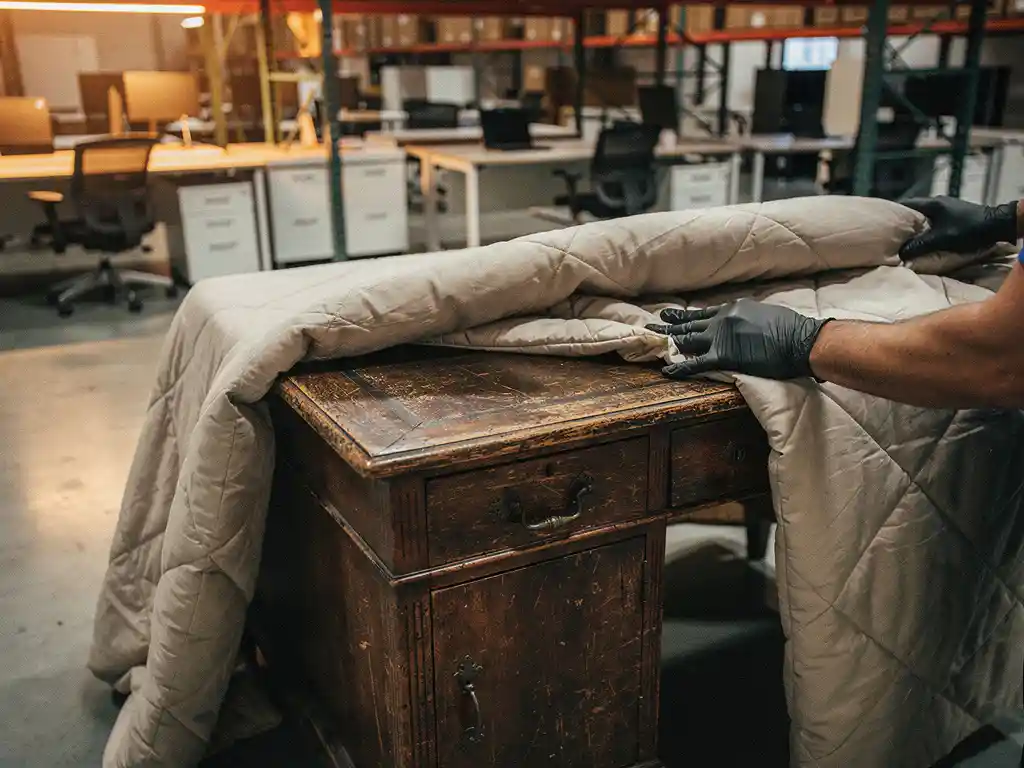
When organizations undergo office renovations, relocations, or complete furniture overhauls, one critical question emerges: What happens to the existing furniture? Project-based deliveries involving furniture replacement create complex logistical challenges that extend far beyond simply bringing in new items. Understanding the fate of old furniture during these transitions is essential for businesses planning major workspace transformations.
The process of managing old furniture disposal during project deliveries involves multiple stakeholders, various disposal methods, and increasingly important environmental considerations. From determining responsibility to exploring sustainable options, the journey of replaced furniture reflects broader trends in corporate sustainability and resource management.
What exactly happens to old furniture during a project delivery?
During project deliveries, old furniture typically undergoes assessment, removal, and disposal through one of several predetermined channels, based on its condition and organizational policies. The process begins with cataloging existing items, evaluating their condition, and determining the most appropriate disposal method before new furniture installation begins.
The specific pathway for old furniture depends on multiple factors, including condition, age, material composition, and organizational sustainability goals. Furniture in excellent condition is often redirected to other departments, donated to charitable organizations, or sold through surplus channels. Items showing moderate wear might be refurbished for continued use or broken down for material recovery.
Timing plays a crucial role in this process. Most project logistics teams coordinate removal schedules to minimize workplace disruption, often working during off-hours or planned downtime. Removal typically occurs in phases, with systematic dismantling and sorting taking place before new furniture arrives, ensuring smooth transitions without storage conflicts.
Who is responsible for removing old furniture in project deliveries?
Responsibility for old furniture removal typically falls to the logistics company managing the project delivery, though specific arrangements vary based on contract terms and organizational preferences. Most comprehensive project logistics services include furniture removal as part of their standard offering, providing clients with complete turnkey solutions.
The logistics provider usually coordinates with specialized removal teams who understand proper dismantling techniques, safety protocols, and disposal regulations. These teams possess the equipment and expertise needed to safely remove heavy items, navigate building restrictions, and handle materials that require special care or specific disposal methods.
Some organizations choose to handle removal internally through facilities management teams, particularly when dealing with sensitive materials or when specific disposal requirements exist. However, most businesses find that delegating this responsibility to experienced logistics professionals ensures more efficient execution while allowing internal teams to focus on core business operations during the transition period.
What are the different disposal options for old furniture?
Old furniture disposal options include donation, resale, recycling, refurbishment, and landfill disposal, with sustainable methods increasingly preferred over traditional waste streams. The choice depends on furniture condition, organizational policies, time constraints, and the availability of local disposal infrastructure.
Donation represents the most socially beneficial option for furniture in good condition. Many organizations partner with local charities, schools, or nonprofit organizations that can use office furniture in their operations. This approach provides tax benefits while supporting community organizations and extending furniture lifecycles.
Resale through surplus dealers or online marketplaces offers potential revenue recovery while keeping furniture in circulation. Professional surplus companies specialize in evaluating, refurbishing, and remarketing used office furniture to smaller businesses or organizations with limited budgets.
Recycling and material recovery have gained prominence as environmental awareness increases. Specialized recycling facilities can break down furniture into component materials such as metals, wood, and fabrics for reprocessing. This option works particularly well for furniture that cannot be reused intact but contains valuable materials.
How do logistics companies handle furniture that’s still in good condition?
Logistics companies typically prioritize reuse and redistribution for furniture in good condition, working with clients to identify internal reallocation opportunities or external donation recipients before considering disposal options. This approach maximizes value recovery while supporting sustainability objectives.
The process begins with a professional assessment using standardized criteria to evaluate furniture condition, functionality, and remaining useful life. Items meeting quality thresholds are photographed, cataloged, and matched with potential recipients through established networks of charitable organizations, educational institutions, and community groups.
Many logistics providers maintain relationships with furniture refurbishment specialists who can restore items to near-new condition through cleaning, repair, and reupholstering services. This option particularly benefits high-quality pieces that show superficial wear but retain structural integrity and design appeal.
For organizations with multiple locations, internal redistribution often provides the most efficient solution. Logistics companies coordinate transfers between facilities, ensuring good-condition furniture continues to be used within the organization while reducing overall furniture procurement costs.
What happens to furniture that contains hazardous materials?
Furniture containing hazardous materials requires specialized disposal through certified waste management facilities that can safely handle substances such as flame retardants, formaldehyde, or heavy metals in accordance with environmental regulations. Standard disposal methods cannot accommodate these materials due to potential environmental and health risks.
Identification of hazardous materials typically occurs during the initial assessment phase, with trained personnel recognizing indicators such as specific manufacturing dates, material types, or visible deterioration patterns. Older furniture often contains substances that were common in past decades but are now recognized as problematic.
The disposal process involves careful dismantling by certified technicians using appropriate protective equipment and containment procedures. Materials are segregated by hazard type and transported to specialized treatment facilities equipped to neutralize or safely contain dangerous substances.
Documentation requirements for hazardous waste disposal are extensive, with logistics companies maintaining detailed records of material types, quantities, transport manifests, and final disposition certificates. This paperwork ensures regulatory compliance and provides audit trails for environmental reporting purposes.
How Jan Krediet Helps with Project-Based Furniture Management
We provide comprehensive project logistics solutions that include end-to-end old furniture management, from assessment through final disposal, ensuring seamless transitions during office renovations and relocations. Our experienced teams handle every aspect of the process, allowing you to focus on your core business while we manage the complex logistics.
Our furniture management services include:
- Professional assessment and cataloging of existing furniture
- Coordination with charitable organizations for donation opportunities
- Sustainable disposal through certified recycling partners
- Hazardous material handling with full regulatory compliance
- Complete project coordination to minimize workplace disruption
- Documentation and reporting for sustainability tracking
With operations across more than 150 locations worldwide, we bring local expertise and global capabilities to every project. Our comprehensive approach ensures your old furniture is managed responsibly while your new workspace transformation proceeds smoothly and efficiently. Ready to discuss your next project? Contact us to learn how we can streamline your furniture transition process.