




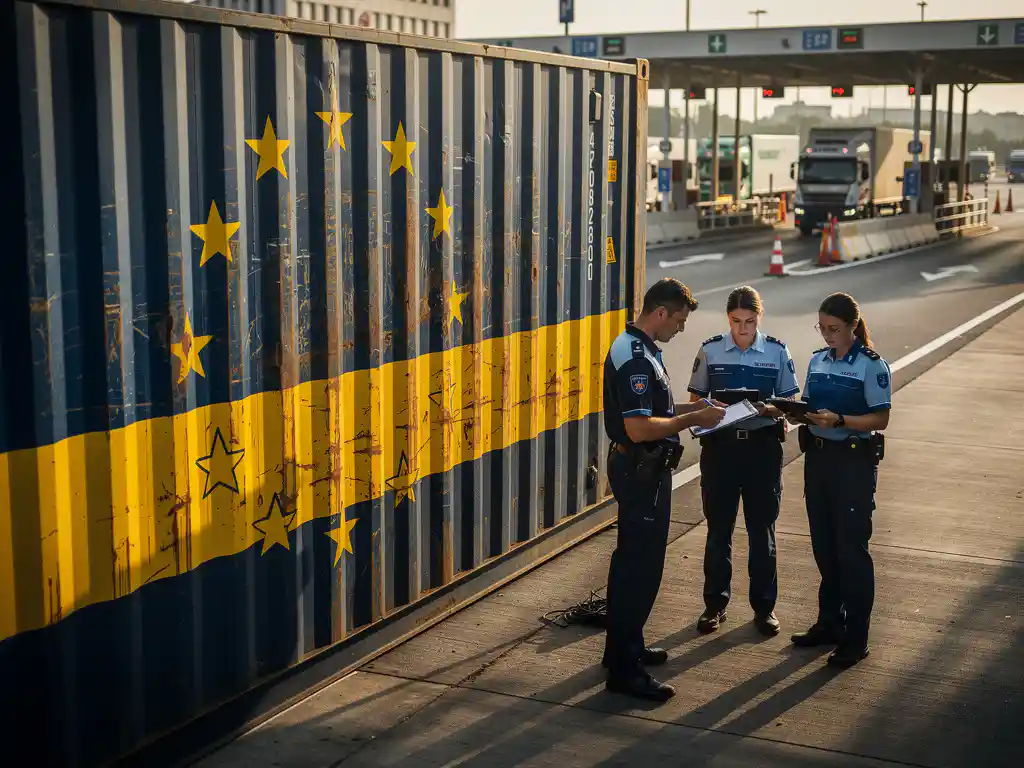
Brexit has fundamentally transformed the landscape of European logistics, creating new challenges and complexities for businesses moving goods between the UK and the EU. The end of the transition period on December 31, 2020, marked a significant shift from frictionless trade to a system requiring customs declarations, border checks, and new regulatory compliance measures.
For companies managing large-scale projects across European borders, understanding these changes is crucial to maintaining delivery schedules and controlling costs. The impact extends far beyond simple paperwork, affecting everything from supply chain planning to final delivery timelines.
What is Brexit, and how does it affect European logistics?
Brexit refers to the United Kingdom’s withdrawal from the European Union, which ended the UK’s participation in the EU single market and customs union on December 31, 2020. This change eliminated the free movement of goods between the UK and the EU, requiring new customs procedures, border controls, and regulatory compliance for all cross-border shipments.
The logistics impact is substantial because goods moving between the UK and the EU now face the same procedures as international trade with non-EU countries. Previously, shipments could move freely without customs declarations, duty payments, or border inspections. Today, every shipment requires proper documentation, potential inspections, and compliance with both UK and EU regulations.
Supply chains that previously operated seamlessly across UK-EU borders now experience delays, additional costs, and an increased administrative burden. Companies must navigate different regulatory frameworks, manage inventory differently, and plan for longer transit times. The “just-in-time” delivery model that many European businesses relied on has become significantly more challenging to maintain.
What new customs procedures apply to UK-EU project shipments?
All UK-EU project shipments now require customs declarations, commercial invoices with detailed goods descriptions, and proof-of-origin documentation. Depending on the goods’ value and type, shipments may also require safety certificates, conformity assessments, and specific permits before crossing borders.
The customs declaration process involves several key documents. Every shipment needs a commercial invoice detailing the goods, their value, and their country of origin. For goods exceeding certain thresholds, formal customs declarations become mandatory. Project shipments often include diverse items with different classifications, making accurate commodity coding essential for smooth processing.
Value-added tax procedures have also changed significantly. Previously, VAT was handled at the point of sale within the single market. Now, import VAT must be paid at the border, affecting cash flow and requiring new accounting procedures. Some businesses use postponed accounting systems to manage VAT obligations, but this requires specific arrangements with tax authorities.
Safety and conformity requirements add another layer of complexity. Products must comply with both UK and EU standards, which may differ in some areas. CE marking remains valid in the EU, while UKCA marking applies in the UK market. Project logistics often involve technical equipment requiring specific certifications for each market.
How do Brexit delays affect project delivery timelines?
Brexit-related delays typically add 2–5 days to standard UK-EU delivery times due to customs processing, border inspections, and documentation requirements. Complex project shipments with multiple components or regulatory requirements can experience even longer delays, sometimes extending project timelines by weeks.
Border processing times vary significantly depending on several factors. Dover–Calais, the busiest UK-EU freight route, experiences regular queues during peak periods. Customs inspections, which occur randomly or when documentation issues arise, can add substantial delays. Physical inspections of project cargo, particularly large or unusual items, require additional time and coordination.
Documentation errors create the most significant delays. Incorrect commodity codes, incomplete invoices, or missing certificates can result in shipments being held at the border until issues are resolved. For time-sensitive project deliveries, these delays can cascade through entire project schedules, affecting installation teams, client commitments, and overall project completion.
Seasonal variations also impact delivery timelines. End-of-year periods, when many businesses rush to complete projects, typically see increased border congestion. Planning project deliveries around these peak periods has become essential to maintaining reliable schedules.
What’s the difference between pre-Brexit and post-Brexit logistics costs?
Post-Brexit logistics costs are typically 15–30% higher than pre-Brexit levels due to customs duties, administrative fees, VAT handling charges, and extended transit times. Additional costs include customs brokerage services, documentation preparation, and potential storage fees during border delays.
Customs duties represent a significant new cost component. While the UK-EU Trade and Cooperation Agreement eliminates tariffs on goods meeting origin requirements, proving origin compliance requires additional documentation and verification processes. Non-qualifying goods face standard tariff rates, which vary by product category.
Administrative costs have increased substantially. Customs declarations, which were unnecessary pre-Brexit, now cost between €25 and €100 per shipment, depending on complexity. Professional customs brokerage services, essential for navigating complex procedures, add further costs. Many logistics providers have introduced Brexit surcharges to cover these additional administrative burdens.
Storage and handling costs represent another new expense category. Delays at borders often require temporary warehousing, particularly for large project shipments that cannot remain in vehicles. Insurance costs have also risen due to increased risks of delays, damage, and regulatory compliance issues.
How can logistics providers adapt to Brexit requirements?
Logistics providers can adapt to Brexit requirements by implementing robust customs management systems, establishing partnerships with experienced customs brokers, and developing comprehensive documentation processes. Investing in technology solutions for automated compliance checks and building buffer time into delivery schedules are essential adaptation strategies.
Technology integration plays a crucial role in managing Brexit complexity. Advanced logistics management systems can automatically generate required customs documentation, verify commodity codes, and track shipments through border processes. Real-time visibility tools help identify potential delays early, allowing proactive communication with clients and alternative routing when necessary.
Staff training and expertise development are equally important. Teams must understand changing regulations, documentation requirements, and border procedures. Many providers invest in certified customs specialists or partner with established customs brokerage firms to ensure compliance expertise.
Strategic planning adaptations include diversifying shipping routes to reduce dependency on high-traffic crossings, maintaining strategic inventory positions on both sides of the border, and developing relationships with multiple service providers to ensure flexibility during disruptions.
What Brexit challenges affect furniture and kitchen logistics specifically?
Furniture and kitchen logistics face unique Brexit challenges, including complex origin rules for multi-component products, bulky-item inspection requirements, and installation timeline pressures. These sectors often deal with mixed-material products that require detailed, component-level documentation and may face different duty rates for various materials.
Origin determination becomes particularly complex for furniture and kitchen products, which often contain components from multiple countries. Determining whether a finished kitchen unit qualifies for preferential treatment under the UK-EU agreement requires tracking the origin of wood, hardware, electronic components, and finishing materials. This complexity increases documentation requirements and the potential for classification errors.
Physical inspections pose greater challenges for bulky furniture and kitchen items. Large shipments require specialized handling equipment and storage facilities when inspections occur. The size and weight of these products can extend inspection times and increase associated costs compared to smaller goods.
Installation scheduling becomes more critical with Brexit delays. Kitchen and furniture projects often involve coordinated installation teams, client schedules, and building access arrangements. Delivery delays can cascade through these carefully planned schedules, potentially requiring expensive rescheduling and extended project timelines.
How Jan Krediet helps with Brexit logistics challenges
We specialize in navigating complex Brexit requirements for European project logistics, ensuring your furniture, kitchen, and project installations reach their destinations on time and within budget. Our comprehensive Brexit adaptation approach includes:
- Expert customs documentation and compliance management
- Strategic route planning to minimize border delays
- Real-time shipment tracking and proactive delay management
- Specialized handling for large furniture and kitchen installations
- Buffer-time planning to protect critical project timelines
- Comprehensive insurance coverage for Brexit-related risks
As part of the global Logistics Plus network, with over 150 locations worldwide, we leverage international expertise and technology solutions to overcome Brexit challenges. Our experienced project teams understand the unique requirements of furniture and kitchen logistics, ensuring smooth delivery even in the complex post-Brexit environment.
Ready to simplify your European project logistics despite Brexit complexities? Contact our specialists today to discuss how we can optimize your cross-border project deliveries and ensure reliable timelines for your most critical installations.