




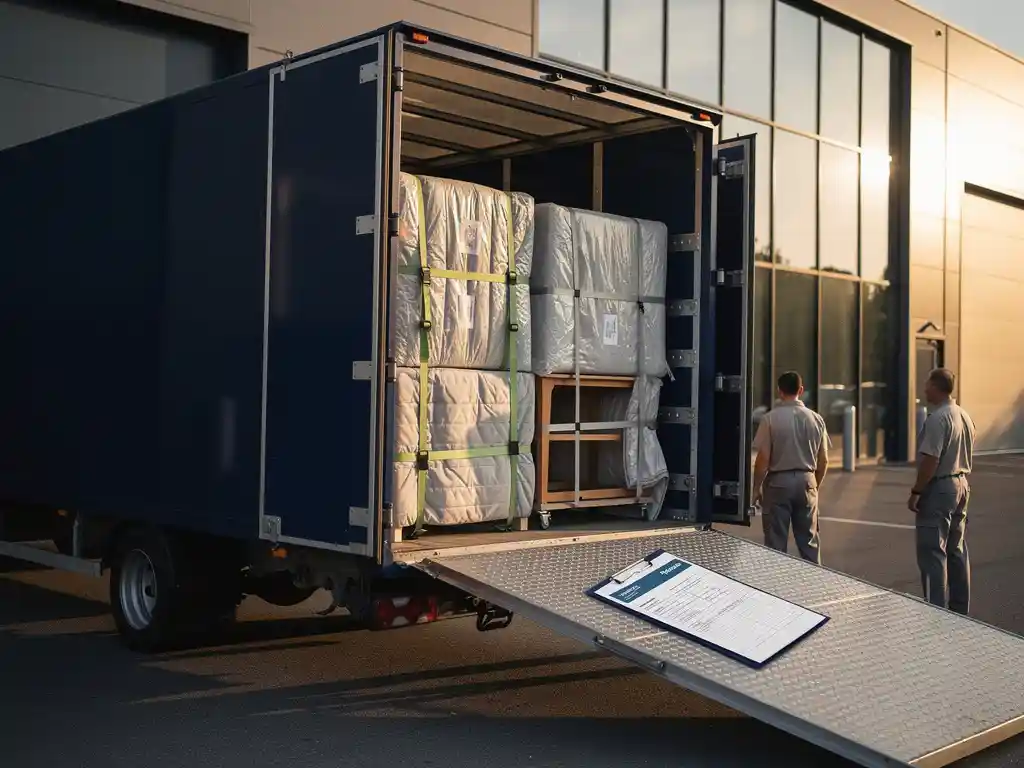
When transporting valuable furniture items, understanding liability regulations is crucial for both shippers and logistics providers. These regulations determine who bears responsibility when damage occurs and establish the framework for compensation claims. Whether you’re moving office furniture, household items, or specialized pieces, knowing your rights and obligations under transport liability laws can save you from significant financial losses.
The complex landscape of furniture transport liability involves multiple layers of protection, from basic carrier liability to comprehensive insurance coverage. Each type of transport arrangement carries different liability limits and claims procedures, making it essential to understand these distinctions before your furniture hits the road.
What liability regulations govern furniture transport?
Furniture transport liability is governed by national and international transportation laws that establish minimum carrier responsibilities and liability limits. In most jurisdictions, carriers must provide basic liability coverage based on weight or declared value, with specific regulations varying between domestic and international shipments.
The primary regulatory frameworks include domestic transport regulations, which typically limit carrier liability to a specific amount per kilogram of damaged goods, and international conventions such as the CMR Convention for road transport within Europe. These regulations establish minimum standards for carrier responsibility, including proper handling, secure loading, and timely delivery of furniture items.
Additional regulations cover specialized transport scenarios, such as high-value antiques or custom furniture pieces. Many countries require carriers to offer declared-value options that allow shippers to increase liability coverage beyond standard limits. Understanding these regulatory foundations helps shippers make informed decisions about their transport arrangements and additional insurance needs.
Who is responsible when furniture gets damaged during transport?
The carrier bears primary responsibility for furniture damage that occurs during transit, loading, or unloading, unless it can prove the damage resulted from inherent vice, inadequate packaging, or circumstances beyond its control.
Carrier responsibility typically begins when the carrier takes physical possession of the furniture and continues until delivery is completed at the destination. This includes damage from improper handling, inadequate securing of loads, vehicle accidents, or exposure to weather conditions during transport. However, carriers can limit their liability through contractual terms and regulatory provisions.
Shippers also bear certain responsibilities that can affect liability claims. These include providing accurate descriptions of furniture items, ensuring proper packaging for fragile pieces, and declaring appropriate values for high-value items. When shippers fail to meet these obligations, carriers may successfully dispute damage claims or reduce compensation amounts.
Third-party liability can also come into play when damage results from external factors such as theft, natural disasters, or accidents involving other vehicles. In such cases, the carrier’s insurer or the responsible third party may ultimately bear the financial responsibility for furniture replacement or repair.
What’s the difference between carrier liability and transport insurance?
Carrier liability provides basic, legally mandated coverage with limited compensation based on weight or standard formulas, while transport insurance offers comprehensive protection based on the actual value of the transported furniture items.
Standard carrier liability typically covers only a fraction of a furniture item’s value, often calculated at a few euros per kilogram of damaged goods. This means expensive furniture pieces receive inadequate compensation under basic liability provisions. Carriers are legally required to provide this minimum coverage, but it rarely covers the full replacement cost of quality furniture.
Transport insurance, by contrast, can be purchased to cover the full declared value of furniture shipments. This additional coverage protects against a broader range of risks and provides compensation based on actual item value rather than weight-based calculations. Insurance policies often include coverage for delays, partial damage, and specialized restoration costs that basic carrier liability excludes.
The choice between relying on carrier liability and purchasing additional insurance depends on furniture value, risk tolerance, and budget considerations. For high-value or irreplaceable pieces, comprehensive furniture logistics insurance typically provides better financial protection than basic carrier liability alone.
How do you file a claim for furniture transport damage?
File transport damage claims immediately upon delivery by documenting all damage with photographs, noting discrepancies on delivery receipts, and submitting written notice to the carrier within the specified time limits—typically 24–48 hours for visible damage.
The claims process begins with thorough damage documentation at the delivery point. Take detailed photographs showing the extent of the damage, the condition of the packaging, and any relevant context, such as loading equipment or weather conditions. Ensure the delivery driver acknowledges the damage on the delivery documents, and never sign a clean receipt if damage is visible.
Submit formal written notice to the carrier as quickly as possible, including all supporting documentation such as photographs, original invoices showing furniture value, and detailed damage descriptions. Many carriers require claims to be filed within specific timeframes, with stricter deadlines for visible damage than for concealed damage discovered after unpacking.
Follow up regularly on the claim status and be prepared to provide additional documentation such as repair estimates, replacement quotes, or expert assessments for valuable pieces. Keep detailed records of all communications with the carrier, and consider engaging legal assistance for high-value claims that face resistance or unreasonable delays.
What liability limits apply to different types of furniture transport?
Liability limits vary significantly by transport type, with domestic shipments typically limited to €8–€10 per kilogram, international road transport governed by CMR Convention limits, and specialized furniture transport offering higher declared-value options.
Domestic furniture transport usually operates under national regulations that establish relatively low liability limits based on weight. These limits rarely provide adequate compensation for quality furniture, making additional insurance essential for valuable pieces. Standard liability calculations often result in compensation of just a few hundred euros for furniture worth thousands.
International transport follows different liability frameworks depending on the mode and route. European road transport under the CMR Convention provides slightly higher limits but is still based on weight rather than actual value. Sea and air transport operate under separate liability regimes with their own calculation methods and exclusions.
Specialized furniture transport services often provide options for declared-value coverage that significantly increases liability limits. These arrangements allow shippers to declare the actual value of the transported furniture and pay additional fees for corresponding liability coverage, providing much better protection for expensive or irreplaceable items.
How Jan Krediet helps with furniture transport liability
We understand that furniture transport liability can be complex and stressful for our clients. As specialists in furniture logistics with nearly a century of experience, we provide comprehensive liability solutions that go beyond basic regulatory requirements. Our approach includes:
- Clear explanations of liability options and coverage levels for each shipment
- Flexible declared-value arrangements for high-value furniture pieces
- Professional packaging and handling procedures that minimize the risk of damage
- Streamlined claims processing with dedicated support throughout the resolution process
- Comprehensive insurance partnerships that provide additional protection options
Our experienced team works closely with clients to ensure appropriate liability coverage for every furniture transport project, whether domestic relocations or international logistics operations. We combine regulatory compliance with proactive risk management to protect your valuable furniture investments.
Ready to discuss liability options for your furniture transport needs? Contact our logistics specialists today to learn how we can provide the right combination of liability coverage and professional handling for your specific requirements.