




Maintaining a fleet of furniture transport vehicles is crucial to ensuring reliable deliveries, minimizing downtime, and protecting valuable cargo. Professional logistics companies understand that proper vehicle maintenance directly affects customer satisfaction and operational efficiency. Whether you’re managing a single delivery truck or an entire fleet, understanding maintenance requirements helps optimize performance and reduce unexpected repair costs.
The specialized nature of furniture transportation places unique demands on vehicles, from weight distribution systems to climate control features. These requirements make regular maintenance not just important, but essential for safe and successful operations in the competitive logistics industry.
What types of maintenance do furniture transport vehicles need?
Furniture transport vehicles require comprehensive maintenance covering engine systems, specialized equipment, and cargo protection features. This includes routine engine servicing, brake system inspections, hydraulic lift maintenance, and cargo-securing equipment checks to ensure safe furniture handling and transportation.
The maintenance scope extends beyond standard commercial vehicle care due to the specialized nature of furniture logistics. Engine and transmission systems need regular oil changes, filter replacements, and fluid-level monitoring. The braking system requires frequent inspection given the heavy loads and frequent stops typical of furniture delivery routes.
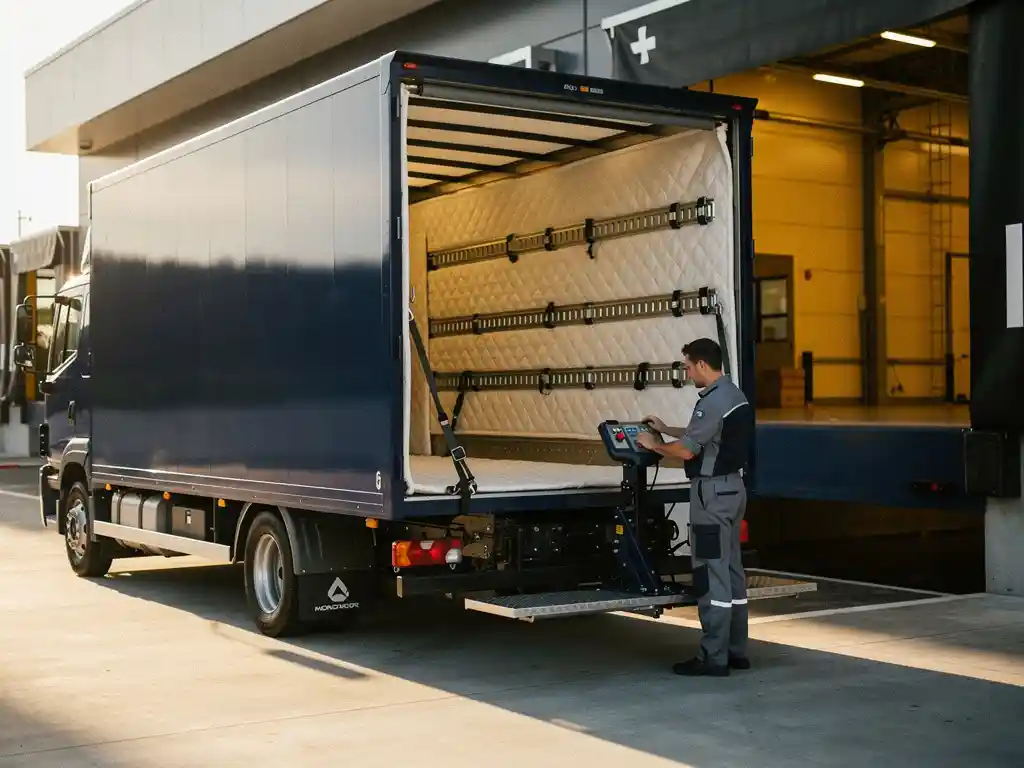
Specialized equipment maintenance is equally critical. Hydraulic lift systems used for loading heavy furniture pieces need regular fluid checks and seal inspections. Cargo-securing systems, including tie-down points and padding attachments, require ongoing assessment to prevent damage during transport. Climate control systems, essential for protecting wooden furniture from moisture damage, need filter changes and refrigerant-level monitoring.
Suspension systems face particular stress in furniture transport due to varying load weights and frequent loading cycles. Regular inspection of springs, shock absorbers, and air-suspension components helps maintain ride quality and cargo protection. Additionally, the vehicle’s body and cargo area require inspection for wear, damage, or structural issues that could compromise cargo security.
How often should furniture delivery trucks be serviced?
Furniture delivery trucks should undergo basic maintenance every 3,000 to 5,000 miles or monthly, whichever comes first. Comprehensive inspections should occur every 10,000 to 15,000 miles, with major service intervals at 25,000 to 50,000 miles depending on vehicle specifications and usage intensity.
Daily pre-trip inspections form the foundation of effective maintenance scheduling. Drivers should check fluid levels, tire pressure, lights, and cargo-securing equipment before each route. Weekly inspections should include more detailed checks of hydraulic systems, brake components, and specialized furniture-handling equipment.
Monthly maintenance typically includes oil changes, filter replacements, and thorough system checks. This frequency accounts for the demanding nature of furniture delivery, which often involves multiple stops, varying load weights, and urban driving conditions that accelerate wear patterns.
Seasonal maintenance schedules are particularly important for furniture transport vehicles. Winter preparations include antifreeze system checks and heating system maintenance to protect temperature-sensitive cargo. Summer maintenance focuses on cooling system performance and air-conditioning functionality, which are crucial for preserving furniture quality during transport.
What are the most common maintenance issues with logistics vehicles?
The most common maintenance issues with logistics vehicles include brake system wear, tire degradation, transmission problems, and hydraulic system failures. These issues typically result from heavy loads, frequent stops, and the demanding operational conditions characteristic of furniture delivery and logistics operations.
Brake system wear tops the list due to the heavy loads and frequent stopping required in furniture delivery. Brake pads, rotors, and hydraulic components experience accelerated wear compared to standard commercial vehicles. Regular brake inspections and timely replacements prevent costly emergency repairs and ensure driver safety.
Tire issues are equally prevalent, stemming from heavy cargo loads and varied driving conditions. Uneven wear patterns often indicate alignment problems or improper load distribution. Tire-pressure monitoring becomes critical, as underinflated tires can lead to blowouts and cargo damage.
Transmission problems frequently develop from the constant acceleration and deceleration cycles typical of delivery routes. Automatic transmissions face particular stress from frequent gear changes and stop-and-go driving patterns. Hydraulic lift systems also require attention, as seal failures and fluid leaks can disable loading equipment and delay deliveries.
How much does maintenance cost for a furniture transport fleet?
Maintenance costs for furniture transport fleets typically range from $0.15 to $0.25 per mile driven, or approximately $15,000 to $25,000 annually per vehicle for active delivery trucks. These costs include routine maintenance, repairs, parts replacement, and specialized equipment servicing required for furniture-handling operations.
Several factors influence maintenance expenses for furniture transport vehicles. Vehicle age plays a significant role, with newer trucks requiring primarily routine maintenance while older vehicles need more frequent repairs and component replacements. The intensity of use also affects costs, as vehicles covering more miles or making more deliveries experience accelerated wear.
Specialized equipment adds to maintenance expenses compared to standard commercial vehicles. Hydraulic lift systems, climate control units, and cargo-securing equipment require specialized parts and trained technicians, increasing service costs. However, proactive maintenance of these systems prevents expensive emergency repairs and cargo damage claims.
Fleet size can provide economies of scale in maintenance costs. Larger operations often negotiate better rates with service providers and can justify dedicated maintenance facilities. Smaller operators might find mobile maintenance services or partnerships with specialized repair shops more cost-effective for their furniture logistics operations.
What maintenance records should logistics companies keep?
Logistics companies should maintain comprehensive records including service dates, mileage readings, parts replaced, repair costs, and inspection results for each vehicle. These records must also document specialized equipment maintenance, driver pre-trip inspections, and any safety-related repairs to ensure regulatory compliance and optimize fleet performance.
Digital maintenance management systems have become essential for modern logistics operations. These platforms track service schedules, monitor costs per vehicle, and provide automated reminders for upcoming maintenance needs. Detailed records help identify patterns in vehicle performance and guide decisions about repairs versus replacements.
Regulatory compliance requires specific documentation for commercial vehicles. Department of Transportation regulations mandate certain inspection records and maintenance documentation. Insurance companies also require detailed maintenance records to validate coverage and investigate claims related to vehicle failures.
Maintenance records serve strategic business purposes beyond compliance. Cost tracking helps optimize fleet budgets and identify vehicles with excessive maintenance expenses. Performance data guides purchasing decisions for new vehicles and helps establish realistic maintenance budgets for business planning.
How Jan Krediet helps with vehicle maintenance
At Jan Krediet, we understand that reliable vehicle maintenance is fundamental to successful furniture logistics operations. With our fleet of more than 250 trucks and delivery vehicles, we have developed comprehensive maintenance protocols that ensure consistent, dependable service for our clients across Europe and beyond.
Our approach to fleet maintenance includes:
- Preventive maintenance scheduling that minimizes unexpected breakdowns
- Specialized equipment servicing for hydraulic lifts and cargo-securing systems
- Real-time vehicle monitoring to identify potential issues before they affect deliveries
- Dedicated maintenance facilities that keep our vehicles road-ready
- Comprehensive driver training on daily inspection procedures
As part of our full-service logistics solutions, we handle all aspects of vehicle maintenance so you can focus on your core business. Our experienced team ensures that every delivery vehicle meets the highest standards for safety, reliability, and cargo protection. Ready to partner with a logistics provider that prioritizes vehicle reliability? Contact us today to discuss how our well-maintained fleet can support your furniture transport needs.