




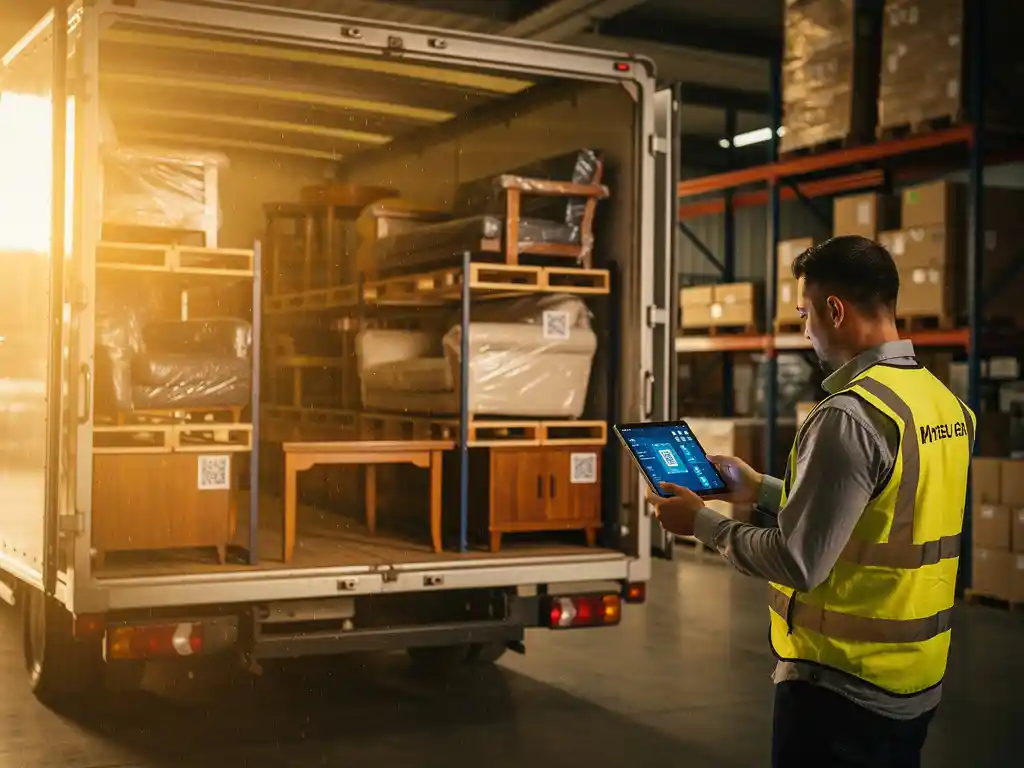
The furniture transport industry is experiencing a profound digital transformation that is reshaping how companies manage logistics operations. From real-time tracking systems to automated warehouse management, digitalization in furniture transport is revolutionizing traditional supply chain processes and creating new opportunities for efficiency and customer satisfaction.
As consumer expectations for transparency and speed continue to rise, furniture logistics companies are increasingly turning to digital solutions to streamline operations, reduce costs, and provide superior service. This technological evolution is not just about adopting new tools; it is about fundamentally reimagining how furniture moves from manufacturer to customer.
What is digitalization in furniture transport?
Digitalization in furniture transport refers to the integration of digital technologies and data-driven processes throughout the entire logistics chain to optimize operations, improve visibility, and enhance the customer experience. This transformation encompasses everything from automated inventory management systems to real-time shipment tracking and predictive analytics.
The scope of digitalization extends beyond simple technology adoption. It involves creating interconnected systems that enable seamless communication among warehouses, transport vehicles, and customer management platforms. Modern furniture logistics companies leverage cloud-based platforms, Internet of Things (IoT) sensors, and artificial intelligence to create intelligent supply chains that can adapt to changing demands and optimize routes automatically.
Key components include warehouse management systems (WMS), transportation management systems (TMS), customer relationship management (CRM) platforms, and mobile applications that provide end-to-end visibility. These systems work together to eliminate manual processes, reduce human error, and provide real-time insights that drive better decision-making across the entire logistics operation.
How does digital tracking improve furniture delivery?
Digital tracking systems provide real-time visibility into shipment location, delivery status, and potential delays, enabling proactive communication with customers and more accurate delivery time estimates. These systems use GPS technology, barcode scanning, and mobile applications to create a comprehensive view of every piece of furniture throughout its journey.
Advanced tracking solutions offer multiple benefits for both logistics providers and customers. Customers receive automated notifications about pickup, transit milestones, and expected delivery windows, reducing uncertainty and improving satisfaction. For logistics companies, digital tracking enables better resource allocation, route optimization, and the ability to quickly address issues before they impact delivery schedules.
Modern tracking systems also integrate with inventory management platforms, allowing seamless coordination between warehouse operations and transport schedules. This integration helps prevent stockouts, reduces handling time, and ensures that the right products are available when transport vehicles arrive for loading. The result is more reliable delivery promises and higher customer satisfaction rates.
What digital tools are transforming furniture logistics?
Transportation management systems (TMS), warehouse management systems (WMS), route optimization software, and IoT sensors are the primary digital tools revolutionizing furniture logistics operations. These platforms work together to create intelligent, automated workflows that significantly improve efficiency and accuracy.
TMS platforms enable dynamic route planning, load optimization, and carrier management, helping companies reduce transportation costs while improving delivery performance. These systems can automatically adjust routes based on traffic conditions, delivery priorities, and vehicle capacity constraints. WMS solutions streamline warehouse operations through automated inventory tracking, optimized picking routes, and integration with transport scheduling.
Emerging technologies are adding new capabilities to furniture logistics operations. Artificial intelligence and machine learning algorithms analyze historical data to predict demand patterns, optimize inventory levels, and identify potential supply chain disruptions before they occur. Mobile applications provide field teams with real-time access to delivery information, customer details, and problem-resolution tools, enabling faster response times and better customer service.
How can furniture companies implement digital transformation?
Furniture companies should begin digital transformation by assessing current processes, identifying key pain points, and implementing solutions in phases rather than attempting a complete overhaul all at once. This approach minimizes disruption while allowing teams to adapt gradually to new technologies and workflows.
The implementation process typically begins with core systems such as inventory management and basic tracking capabilities. Companies should prioritize solutions that address their most pressing challenges, whether that is improving delivery accuracy, reducing transportation costs, or enhancing customer communication. Integration among different digital tools is crucial for maximizing benefits and avoiding data silos.
Successful digital transformation requires strong change management and employee training programs. Teams need to understand how new technologies improve their daily work and customer outcomes. Companies should also establish clear metrics for measuring success and continuously optimize their digital systems based on performance data and user feedback.
What challenges does digitalization solve in furniture transport?
Digitalization addresses critical furniture transport challenges, including poor shipment visibility, inefficient route planning, manual inventory errors, and a lack of real-time communication among stakeholders. These issues have traditionally led to delayed deliveries, increased costs, and customer dissatisfaction.
Manual processes in furniture logistics are particularly prone to errors due to the complexity of handling large, fragile items with specific delivery requirements. Digital systems eliminate many human errors through automated data capture, barcode scanning, and integrated workflows. This is especially important for furniture logistics operations, where damage prevention and precise handling are critical.
Communication gaps among different parties in the supply chain often cause delays and confusion. Digital platforms create shared visibility across all stakeholders, from manufacturers and warehouses to transport teams and customers. This transparency enables proactive problem-solving and keeps all parties informed about shipment status and any potential issues.
How does automation reduce furniture transport costs?
Automation reduces furniture transport costs by optimizing route planning, minimizing manual labor requirements, reducing fuel consumption through efficient logistics, and decreasing errors that lead to costly re-deliveries or damage claims. These efficiencies compound to create significant cost savings across the entire operation.
Automated route optimization algorithms can reduce transportation costs by 10–20% through more efficient vehicle utilization and shorter travel distances. These systems consider multiple variables, including delivery time windows, vehicle capacity, traffic patterns, and driver availability, to create optimal delivery schedules. The result is fewer miles driven, reduced fuel costs, and better asset utilization.
Labor cost reductions come from streamlined warehouse operations and automated administrative processes. Digital systems eliminate time-consuming manual tasks such as paper-based documentation, phone-based status updates, and manual inventory counts. This allows staff to focus on higher-value activities while reducing the overall labor hours required for each shipment.
Hoe Jan Krediet helpt met digitale meubellogistiek
We leverage advanced digital technologies to provide comprehensive furniture logistics solutions that combine traditional expertise with modern innovation. Our approach integrates cutting-edge tracking systems, automated warehouse management, and real-time communication platforms to deliver superior service quality and transparency.
Our digital capabilities include:
- Real-time shipment tracking and automated customer notifications
- Advanced route optimization for efficient delivery scheduling
- Integrated warehouse management systems for precise inventory control
- Digital documentation and customs handling for international shipments
- Mobile applications for field teams and customer communication
As part of the global MACH-3000 network and backed by Logistics Plus technology platforms, we combine local expertise with international digital capabilities to optimize your complete furniture supply chain. Ready to modernize your furniture logistics operations? Contact us to discover how our digital solutions can transform your business.