




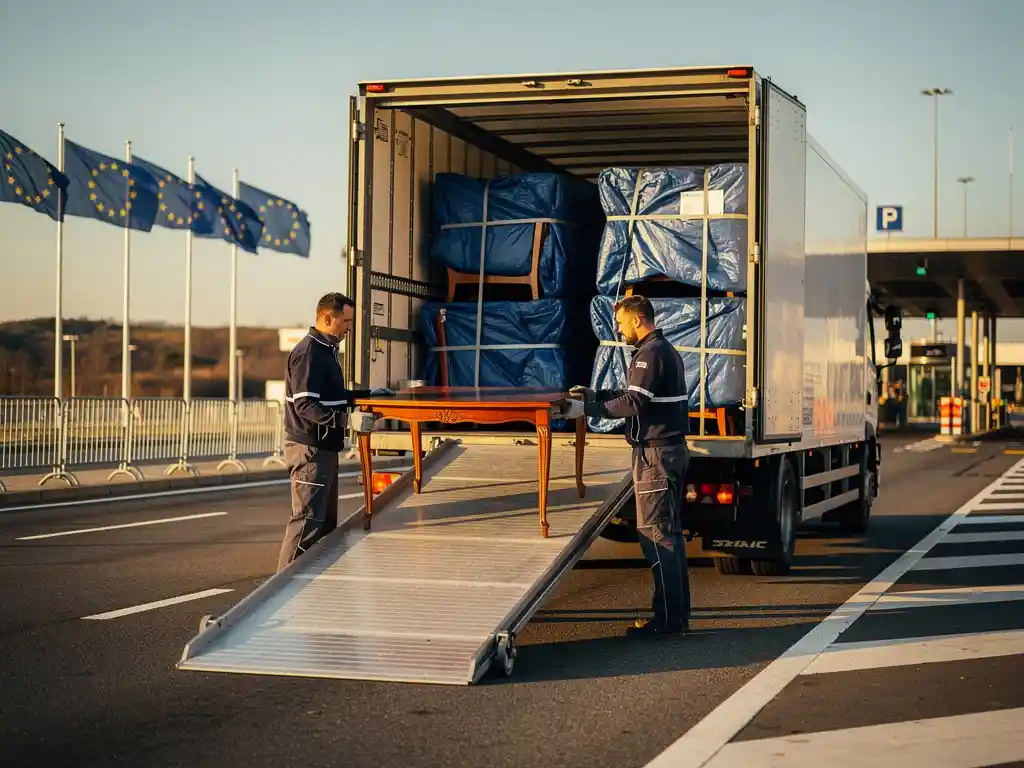
Transporting furniture across European Union countries involves navigating a complex landscape of regulations, customs requirements, and logistical considerations. Whether you’re relocating a home office from Amsterdam to Berlin or delivering luxury furniture pieces to customers across multiple EU markets, understanding the specific requirements for international furniture delivery can save time, reduce costs, and prevent costly delays at borders.
The EU’s single market has simplified many aspects of cross-border logistics, but furniture transport still presents unique challenges due to varying national regulations, packaging standards, and delivery infrastructure across different member states. Success in European furniture transport requires careful planning and attention to country-specific requirements.
What are the main customs requirements for furniture transport within the EU?
Furniture transport within the EU benefits from the single market’s free movement of goods, eliminating customs duties and simplifying documentation for most shipments. However, proper documentation, including commercial invoices, packing lists, and proof of origin, remains essential for smooth border crossings and potential inspections.
While customs duties are generally not applicable to intra-EU furniture shipments, VAT considerations vary significantly between member states. Each country maintains its own VAT rates and registration requirements, which can range from 17% to 27%, depending on the destination. For commercial shipments, you’ll need to ensure proper VAT handling based on whether goods are sold to businesses or consumers.
Certain furniture types require additional documentation. Antique furniture may require cultural heritage certificates, while items containing protected wood species require CITES permits. Upholstered furniture must comply with fire safety standards that vary between countries, and some nations have specific labeling requirements for textile components.
How do packaging requirements differ between EU countries for furniture?
EU packaging requirements for furniture are largely harmonized under the Packaging and Packaging Waste Directive, but implementation varies between member states. Most countries require packaging materials to be recyclable and marked with appropriate recycling symbols, though specific marking requirements and accepted materials can differ.
Germany and Austria have particularly strict packaging regulations, requiring detailed documentation of packaging materials and higher recycling quotas. These countries also mandate specific labeling for wood packaging materials and have stricter requirements for foam and plastic protective materials used in furniture packaging.
Nordic countries like Sweden and Denmark often have additional requirements for sustainable packaging materials and may restrict certain types of protective plastics. France has implemented extended producer responsibility requirements that affect how packaging costs are calculated and managed for furniture shipments.
What transport methods work best for different types of furniture across Europe?
Road transport remains the most flexible and cost-effective method for most furniture shipments within the EU, offering door-to-door delivery and better handling control for fragile items. Full truckload shipments work best for large furniture orders, while less-than-truckload options suit smaller shipments to multiple destinations.
For high-value or extremely delicate furniture pieces, specialized air-ride suspension vehicles and climate-controlled transport provide optimal protection. These methods are particularly important for antiques, custom-made pieces, or furniture containing sensitive materials like leather or certain wood finishes.
Rail transport is increasingly viable for long-distance routes, especially between major European cities, offering environmental benefits and cost savings for larger shipments. However, rail transport typically requires additional road transport for final delivery, making it most suitable for shipments to major distribution centers rather than direct customer delivery.
Intermodal solutions combining rail and road transport can optimize both cost and environmental impact for project logistics involving large furniture installations across multiple European locations.
How do delivery timeframes vary across different EU destinations?
Delivery timeframes for furniture transport within the EU typically range from 2 to 7 business days for road transport, depending on distance and destination accessibility. Western European destinations like Germany, France, and the Netherlands generally offer faster delivery times due to excellent highway infrastructure and numerous distribution centers.
Eastern European destinations may require an additional 1 to 3 days due to longer distances and varying infrastructure quality. Countries like Poland, the Czech Republic, and Hungary have significantly improved delivery times in recent years, while more remote areas in Romania, Bulgaria, or the Baltic states may still experience longer transit times.
Island destinations present unique challenges, with ferry schedules affecting delivery reliability. Ireland typically adds 1 to 2 days to standard delivery times, while Mediterranean islands may require 3 to 7 additional days, depending on ferry frequency and weather conditions.
Seasonal factors significantly impact delivery timeframes. Winter weather can delay deliveries by 1 to 2 days in northern and mountainous regions, while summer holiday periods may extend delivery times due to reduced transport capacity and longer processing times at distribution centers.
What insurance considerations apply to international furniture transport?
International furniture transport insurance should provide comprehensive coverage, including transit damage, theft, and total loss, with coverage amounts reflecting the full replacement value of shipped items. Standard carrier liability often covers only a fraction of the furniture’s value, making additional insurance essential for valuable pieces.
All-risk coverage offers the most comprehensive protection, covering damage from handling, weather, theft, and accidents during transport. This type of coverage is particularly important for high-value furniture, antiques, or custom-made pieces where replacement costs significantly exceed standard furniture values.
Policy terms vary significantly between insurers, with some excluding specific damage types like scratching, denting, or moisture damage that commonly affect furniture during transport. Review policy exclusions carefully and consider specialized furniture transport insurance that covers industry-specific risks.
Documentation requirements for insurance claims include detailed pre-shipment condition reports, professional packing certificates, and photographic evidence of any damage. Many insurers require professional packing for coverage validity, making it essential to use qualified furniture transport specialists.
How Jan Krediet helps with European furniture logistics
We specialize in comprehensive European furniture transport solutions that address all the complexities discussed above. Our expertise covers everything from customs documentation and packaging compliance to specialized transport methods and insurance coordination across all EU destinations.
Our services include:
- Complete customs documentation and VAT handling for all EU countries
- Specialized packaging solutions meeting country-specific requirements
- Multimodal transport options optimized for different furniture types
- Real-time tracking and delivery coordination across 150+ European locations
- Comprehensive insurance coverage tailored to furniture transport risks
As part of the Logistics Plus network and with our membership in the Mach 3000 furniture logistics network, we provide seamless European furniture transport solutions backed by nearly 100 years of logistics expertise. Contact us today to discuss your specific European furniture transport requirements and discover how our specialized solutions can streamline your cross-border logistics operations.