




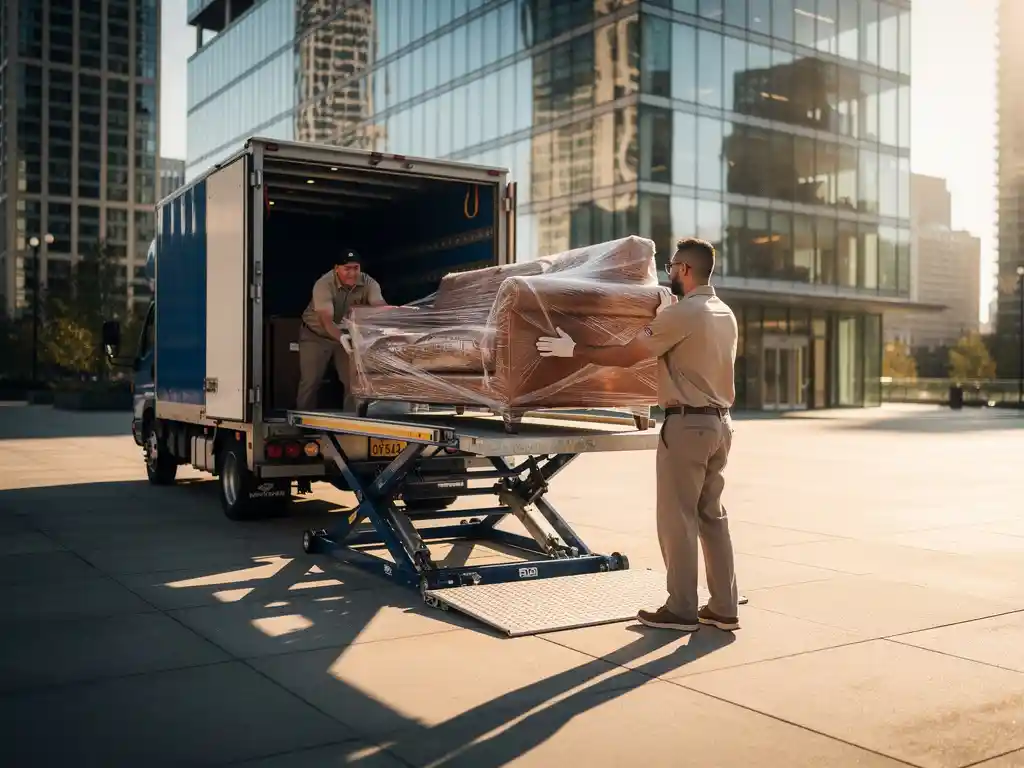
Moving furniture to high-rise buildings presents unique logistical challenges that require careful planning and specialized expertise. From navigating narrow elevator shafts to coordinating building access, successful furniture transport in tall buildings demands a strategic approach that considers multiple factors before the first piece leaves the warehouse.
Whether you’re relocating an office, setting up a new apartment, or installing custom furniture in a skyscraper, understanding the complexities of high-rise furniture delivery can save time, prevent damage, and ensure smooth project completion.
What Are the Main Challenges When Delivering Furniture to High-Rise Buildings?
High-rise furniture delivery faces three primary challenges: restricted elevator access, complex building logistics, and coordination with multiple stakeholders. These factors significantly impact delivery timelines and require specialized planning.
Elevator limitations create the most immediate obstacles. Most building elevators have weight restrictions ranging from 2,000 to 4,000 pounds, while standard passenger elevators often measure just 6 feet wide by 8 feet deep. Large furniture pieces like sectional sofas, conference tables, or modular office systems frequently exceed these dimensions, requiring alternative transport methods.
Building access restrictions add another layer of complexity. Many high-rise buildings enforce strict delivery windows, typically between 7 AM and 5 PM on weekdays, with some requiring advance booking of freight elevators. Security protocols may mandate escort services, background checks for delivery personnel, and detailed inventory documentation before entry approval.
Coordination challenges multiply when dealing with multiple parties. Property managers, security teams, building engineers, and residents or tenants all play roles in a successful delivery. Miscommunication among any of these stakeholders can result in delayed deliveries, additional costs, or access denial at critical moments.
How Do You Measure Furniture and Elevator Dimensions for Safe Transport?
Accurate measurement requires documenting furniture dimensions, elevator specifications, and building pathway clearances using a systematic approach. Critical measurements include length, width, height, weight, and diagonal dimensions for both the furniture and the transport route.
Start by measuring furniture pieces at their widest, tallest, and longest points, including any protruding elements like handles, legs, or decorative features. Document the weight of each piece, as this affects elevator capacity calculations. For modular furniture, determine whether pieces can be disassembled, and measure both the assembled unit and the individual components.
Elevator measurements must include interior dimensions, door opening width and height, and weight capacity. Don’t forget to measure the elevator threshold height and any interior obstacles like handrails or control panels that might restrict usable space. Document the path from the building entrance to the elevator, noting any turns, doorways, or stairs that the furniture must navigate.
Create a detailed floor plan showing the route from the elevator to the final destination. Measure hallway widths, door openings, and ceiling heights along this path. Pay special attention to corners, as furniture often requires additional maneuvering space to navigate turns safely.
What Building Access Requirements Should You Plan for in Advance?
Building access planning requires securing delivery permits, scheduling freight elevator reservations, and coordinating with building management at least 48 to 72 hours before delivery. Most commercial buildings require advance notice and specific documentation.
Contact building management to understand its delivery policies and restrictions. Many buildings require a certificate of insurance, delivery schedules, and detailed inventory lists to be submitted in advance. Some buildings charge fees for freight elevator use or require deposits to cover potential damage.
Schedule freight elevator reservations during your preferred delivery window. Peak hours typically cost more and have limited availability, so consider off-peak delivery times for cost savings and better access. Confirm backup plans in case freight elevators become unavailable due to maintenance or emergencies.
Arrange for building escort services if required. Some high-rise buildings mandate that delivery personnel be accompanied by building staff throughout the delivery process. Ensure your delivery team has proper identification and understands building-specific safety protocols and procedures.
When Should You Consider Using Cranes or External Hoisting for Large Furniture?
External hoisting becomes necessary when furniture dimensions exceed elevator capacity or building access routes cannot accommodate large pieces. This typically applies to items over 8 feet in any dimension or weighing more than 2,000 pounds.
Consider crane services for oversized items like grand pianos, large artwork, custom millwork, or modular office systems that cannot be disassembled. External hoisting often proves more cost-effective than attempting to force oversized items through inadequate building pathways, which risks damage to both the furniture and the building infrastructure.
Weather conditions significantly impact crane operations. High winds, rain, or snow can delay or cancel external hoisting for safety reasons. Plan crane deliveries during favorable weather periods and maintain flexible scheduling to accommodate weather-related delays.
Permit requirements for crane operations vary by city and building location. Street closures, parking restrictions, and crane-positioning permits may require weeks of advance planning. Coordinate with local authorities and building management to ensure all permits are secured before delivery day.
How Do Professional Logistics Companies Handle High-Rise Furniture Delivery?
Professional logistics companies use systematic site surveys, specialized equipment, and experienced project teams to manage high-rise deliveries efficiently. They conduct detailed pre-delivery assessments and develop customized delivery plans for each location.
Experienced logistics providers perform comprehensive site surveys before delivery day. These surveys document building access routes, elevator specifications, parking availability, and potential obstacles. Professional teams use this data to develop detailed delivery plans that minimize risks and optimize efficiency.
Specialized equipment makes complex deliveries possible. Professional companies invest in furniture dollies designed for elevators, protective padding systems, and rigging equipment for external hoisting. They maintain relationships with crane operators and have access to specialized lifting equipment when standard delivery methods prove inadequate.
Project coordination expertise ensures smooth execution. Professional logistics teams communicate with all stakeholders, manage permits and documentation, and maintain contingency plans for unexpected challenges. Their experience with building regulations and delivery protocols reduces delays and prevents costly mistakes.
How Jan Krediet Helps with High-Rise Furniture Transport
We specialize in complex project logistics that tackle the unique challenges of high-rise furniture delivery. Our experienced project teams have successfully managed furniture installations in skyscrapers across Europe and beyond, bringing systematic planning and specialized expertise to every delivery.
Our comprehensive high-rise delivery services include:
- Detailed site surveys and building access coordination
- Precise measurement verification and route planning
- Specialized equipment for elevator and crane operations
- Complete permit management and stakeholder communication
- On-site assembly and installation services
- Damage protection and insurance coverage
With over 200 logistics professionals and extensive experience in furniture transport, we understand that successful high-rise deliveries require meticulous planning and flawless execution. Our project teams work closely with building management, coordinate with local partners worldwide, and maintain the flexibility to adapt when unexpected challenges arise.
Ready to ensure your high-rise furniture delivery goes smoothly? Contact our project logistics experts to discuss your specific requirements and receive a customized delivery solution.